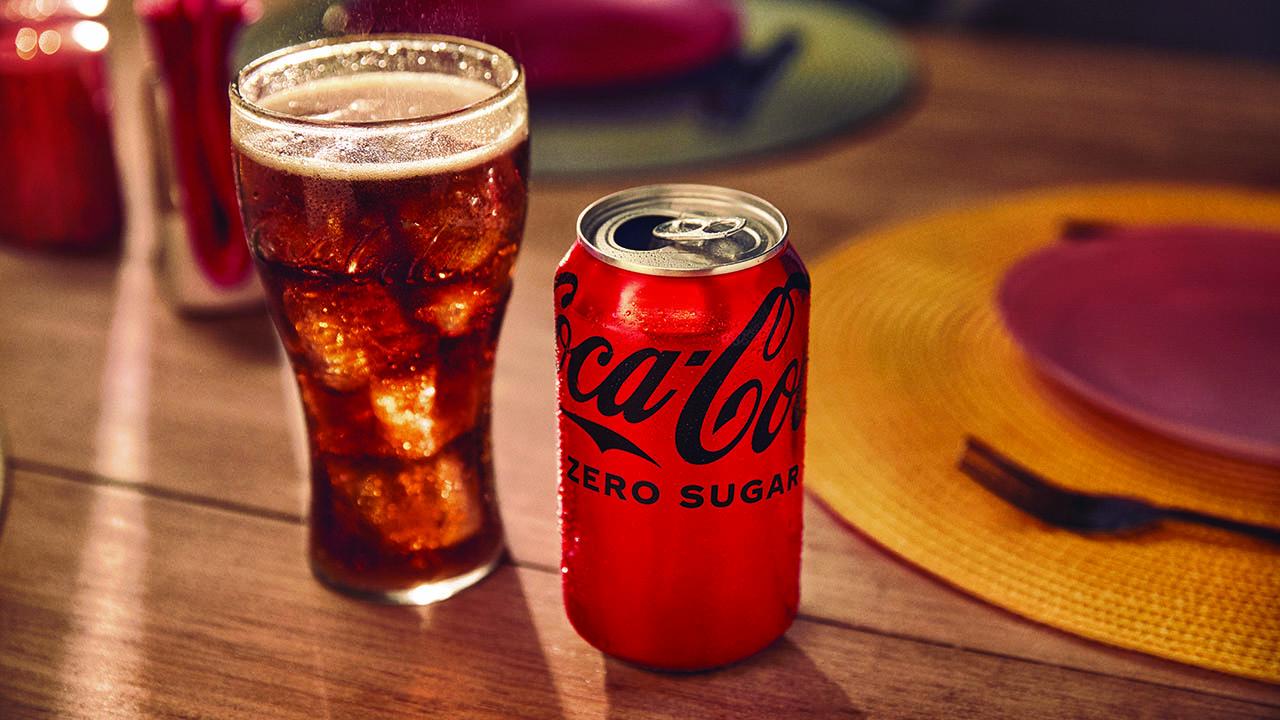
Duke University researchers revealed that the gastrointestinal tract, and not the tongue, distinguishes between Coca-Cola Original and Coca-Cola Zero Sugar.
According to their published study, neuropod cells in the stomach and intestine send signals to the brain recognizing sugar and artificial sweeteners differently.
Due to neurotransmitters like glutamate and ATP, the vagus nerve gets to figure out the difference within two millionths of a second.
Many noted that Coke Zero Sugar, which contains artificial sweeteners like sucralose and acesulfame potassium, could not fully replicate the taste of Original Coke.
While the tastes are closely similar, there are subtle differences between sugar and artificial sweeteners picked up by the human body upon ingestion.


Trump and Merck KGaA Partner to Slash IVF Drug Costs and Expand Fertility Coverage
Asian Markets Mixed as Fed Rate Cut Bets Grow and Japan’s Nikkei Leads Gains
Dollar Holds Steady as Markets Shift Focus to 2026 Rate Cut Expectations
Japan’s Nikkei Drops as Markets Await Key U.S. Inflation Data
NASA and Roscosmos Chiefs Meet in Florida to Discuss Moon and ISS Cooperation
BOJ Governor Ueda Highlights Uncertainty Over Future Interest Rate Hikes
Asia’s IPO Market Set for Strong Growth as China and India Drive Investor Diversification
Europe Confronts Rising Competitive Pressure as China Accelerates Export-Led Growth
Lost in space: MethaneSat failed just as NZ was to take over mission control – here’s what we need to know now
FDA Lifts REMS Requirement for CAR-T Cell Cancer Therapies
NASA Astronauts Wilmore and Williams Recover After Boeing Starliner Delay
SpaceX’s Starship Completes 11th Test Flight, Paving Way for Moon and Mars Missions
Australia’s Economic Growth Slows in Q3 Despite Strong Investment Activity
Asian Currencies Steady as Markets Await Fed Rate Decision; Indian Rupee Hits New Record Low
Oil Prices Hold Steady as Ukraine Tensions and Fed Cut Expectations Support Market 


