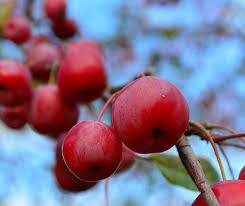
South Korea's Apple Use Research Institute has developed a reddish natural pigment extraction and recycling method using wasted apple peel and crab apples.
Apple peel contains the reddish natural pigments called anthocyanins.
Meanwhile, crab apples are pollinizers that help the cultivation species bear fruits. It is planted with the cultivation species in a ratio of 1:9.
Most crab apples are disposed of due to their sour and astringent taste.
According to the study, red, black apples, and Arnold species with reddish skin and flesh are the most suitable for creating natural pigments for natural pigments for processed foods with low acidity and supplementary health foods and medicines.
They also can be used as a raw material for color glow cosmetics such as blushers and lipsticks
The institute operates under the umbrella of the Gyeongsangnam-do Agricultural Research and Extension Services.

DOJ Investigates Group Linked to Reid Hoffman Over E. Jean Carroll Lawsuit Funding
HP Q2 2026 Earnings Beat Expectations Despite Memory Chip Pressure
Iran-U.S. Nuclear Talks Remain Unresolved as Strait of Hormuz Risks Keep Markets on Edge
Oil Prices Jump After New U.S. Strikes on Iran Raise Supply Concerns
MongoDB Q1 FY2027 Earnings Beat Expectations, Raises Full-Year Outlook
Neuralink Expands Brain Implant Trials with 12 Global Patients
China vs. NASA: The New Moon Race and What's at Stake by 2030
NASA Cuts Boeing Starliner Missions as SpaceX Pulls Ahead
Mega IPOs Like SpaceX and OpenAI Could Reshape S&P 500 and Nasdaq 100 Portfolios in 2026
Snowflake Stock Soars 30% After Q1 Earnings Beat and Major AWS AI Partnership
Marvell Stock Rises After Record Q1 FY2027 Earnings Fueled by AI Demand
Trump Signs Executive Order to Boost AI Research in Childhood Cancer
Costco Q3 Fiscal 2026 Earnings Beat Expectations as Sales and E-Commerce Surge
Sable Offshore Wins Key Court Battle Over California Oil Pipeline 


