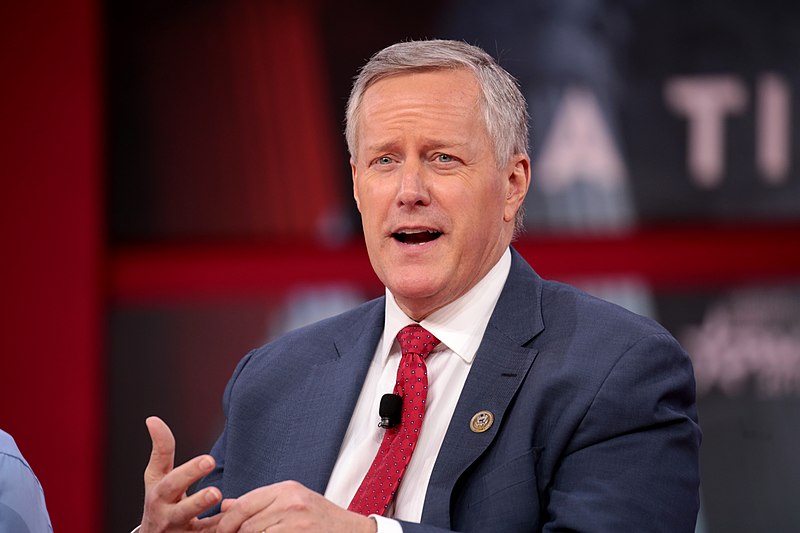
The congressional panel investigating the January 6 Capitol insurrection was ruled in favor of by the Supreme Court, with the National Archives releasing the related records. According to a former federal prosecutor, the ruling by the high court on executive privilege has cleared the way for former Trump chief of staff Mark Meadows to get criminally indicted.
Speaking on MSNBC Friday last week, former federal prosecutor Glenn Kirschner explained that only political factors are standing in the way between Meadows and a criminal indictment. Meadows initially cooperated with the congressional committee and turned over records only to stop cooperation, later on, citing executive privilege.
Former President Donald Trump asserted executive privilege in his attempt to appeal to the Supreme Court to block the archives from releasing January 6-related documents. The Supreme Court almost unanimously ruled against Trump, and the archives have begun releasing the related documents to the committee.
Kirschner explained that Meadows’ assertion of executive privilege no longer carries any weight, and it has become evident that the Justice Department is also probing into Meadows since the Supreme Court’s ruling.
“We now know that the Department of Justice is factoring in the Supreme Court’s rejection of Donald Trump’s executive privilege claim. And that clears the decks for the indictment of Mark Meadows,” said Kirschner. “Because if Donald Trump doesn’t have an executive privilege claim, then Mark Meadows can’t invoke Trump’s by extension.”
Kirschner said that an indictment on Meadows may take some time, as long as there is an indictment on the way.
The same may hold true for former Trump adviser Steve Bannon, who has already been indicted by the DOJ for refusing to cooperate with the subpoena. Bannon has also cited executive privilege as his reason for non-compliance. Previously, law professor Neal Katyal said that the Supreme Court’s ruling against the former president’s executive privilege claims now spell trouble for Meadows and Bannon.
Katyal, who was the acting solicitor general during the Obama administration, explained that because the Supreme Court ruling dismantled their only defenses for not complying with the committee, Meadows and Bannon will have no choice but to testify before the panel. The ruling also affects the plans made by other Trump associates to cite executive privilege as a way to escape testimony.