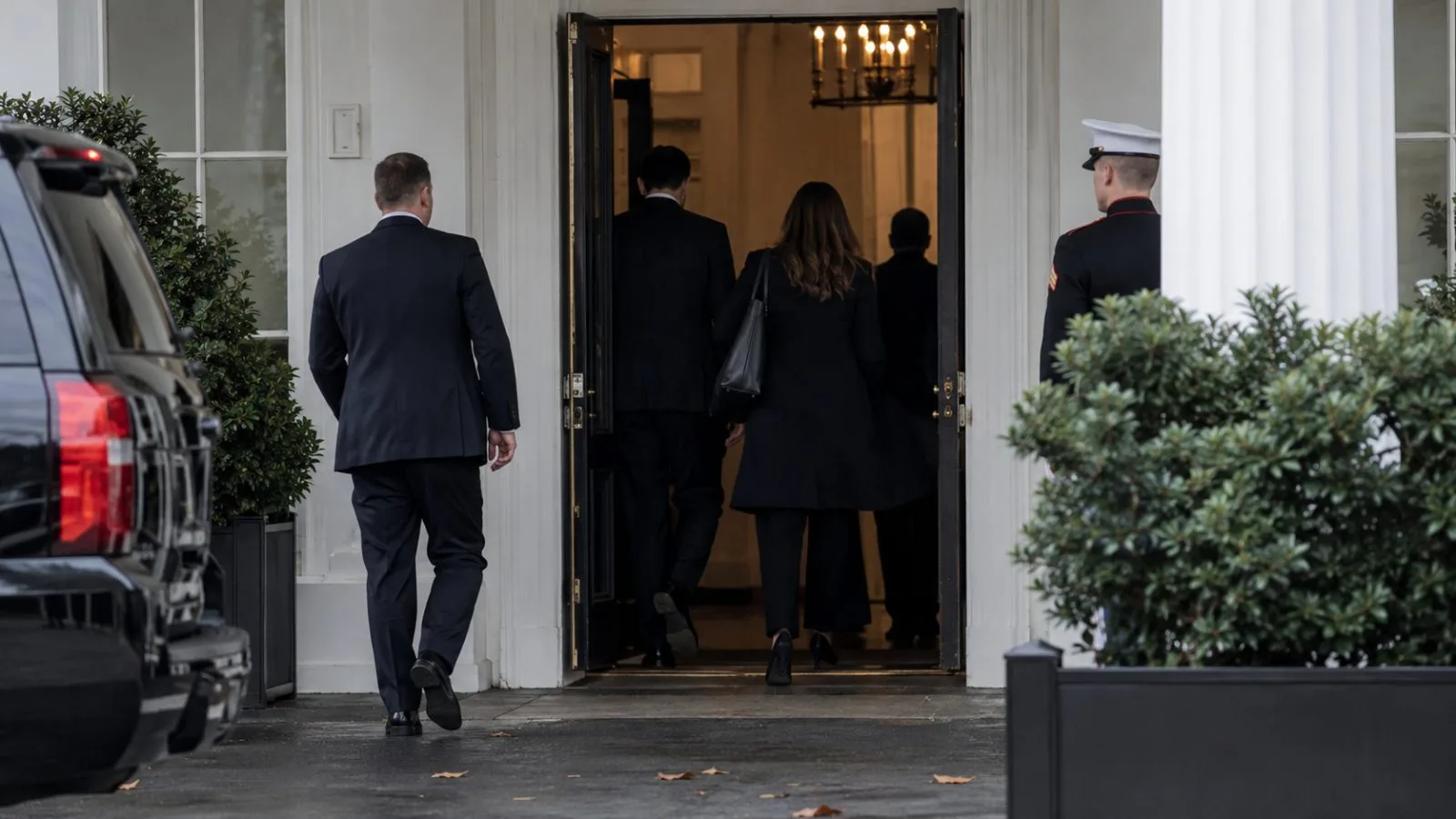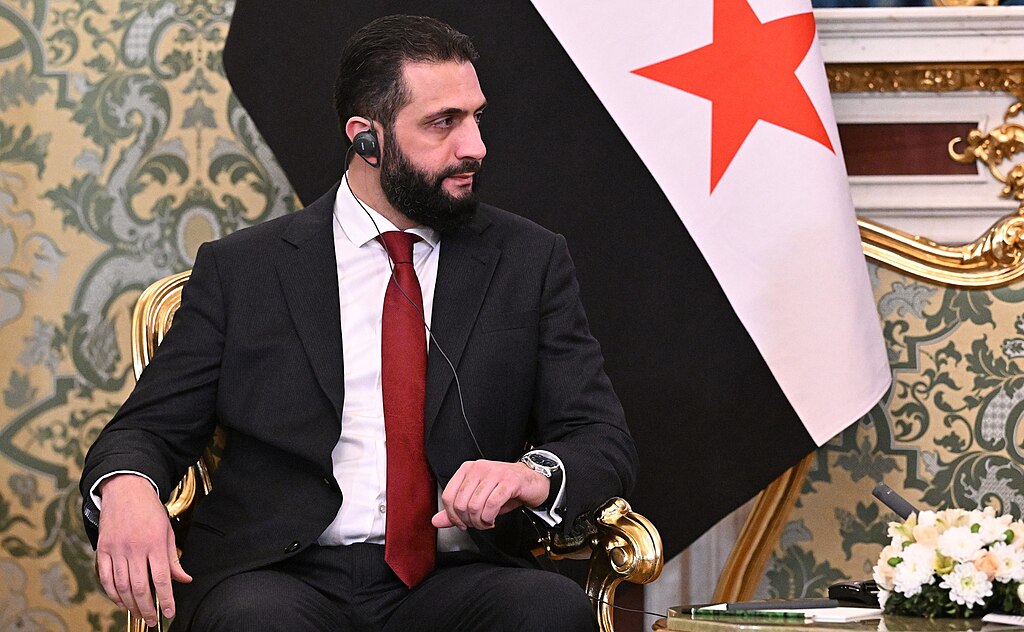
Syrian President Ahmed al-Sharaa’s landmark meeting with U.S. President Donald Trump on Monday marks a remarkable turning point in global diplomacy and Syria’s reemergence onto the international stage. The first-ever visit by a Syrian president to the White House concludes a whirlwind year for Sharaa—a former rebel commander who overthrew longtime leader Bashar al-Assad and has since worked to reshape Syria’s global image.
Six months after their first encounter in Saudi Arabia, Sharaa’s visit comes days after Washington removed his name from the “Specially Designated Global Terrorist” list. The 42-year-old leader seized power in December of last year following a rapid offensive from Syria’s northwest, ending Assad’s 23-year rule. Since then, Sharaa has shifted Syria’s alliances away from Iran and Russia, moving closer to Turkey, Gulf nations, and the United States.
The White House meeting is expected to focus on security cooperation, including U.S.-brokered talks between Syria and Israel over a potential security pact. Reports suggest that Washington plans to establish a military presence at a Damascus airbase and may announce Syria’s inclusion in a U.S.-led coalition against ISIS during the meeting.
President Trump praised Sharaa, saying, “He’s doing a very good job. It’s a tough neighborhood, and he’s a tough guy.” Trump previously announced plans to lift sanctions on Syria, though the Caesar Sanctions Act still requires Congressional approval. A full repeal could attract billions in global investment to rebuild a nation ravaged by 14 years of war, with the World Bank estimating reconstruction costs above $200 billion.
Sharaa’s personal transformation mirrors his country’s. Once an al-Qaeda member known as Abu Mohammad al-Golani, he was captured by U.S. forces in Iraq and designated a terrorist in 2013. After renouncing extremism in 2016, Sharaa unified factions in Syria’s northwest and emerged as the country’s new power broker. Recent moves by the U.N., U.S., and U.K. to lift sanctions underscore his changing international status.
Analysts say Sharaa’s Washington visit symbolizes Syria’s dramatic shift—from pariah state to potential U.S. ally in Middle East stability. “Syria went from being an Iranian proxy to joining the American-led camp,” said Firas Maksadof the Eurasia Group. While challenges remain, the visit signals renewed hope for Syria’s reintegration into the global community and the beginning of a new diplomatic chapter.