The rate of evolution in any market is accelerating. The commercialization of goods and services is on the rise. Research and development, advertising, and sales and distribution are all greatly impacting technology.
For example, the pharmaceutical industry has already seen the effects of this shift in R&D over the previous few years, and the rest of the industries will start to experience it over the next decade.
Although the pharmaceutical sector has historically been sluggish in adopting new technologies, the current pharma health trends indicate a significant shift.
Companies in the pharmaceutical industry can benefit greatly from cutting-edge technologies such as augmented reality (AR), virtual reality (VR), artificial intelligence (AI), and additive manufacturing because they allow for faster R&D, more customized product development, and more initial testing. These innovations improve the quality and efficiency of healthcare, benefiting patients and medical professionals.
Pharma health tech is expanding over the world. The United Kingdom, Belgium, Germany, Switzerland, and Israel are among the countries experiencing rapid expansion in the pharma health tech industry, alongside the United States. Here are some technological advancements that are changing the pharmaceutical industry.
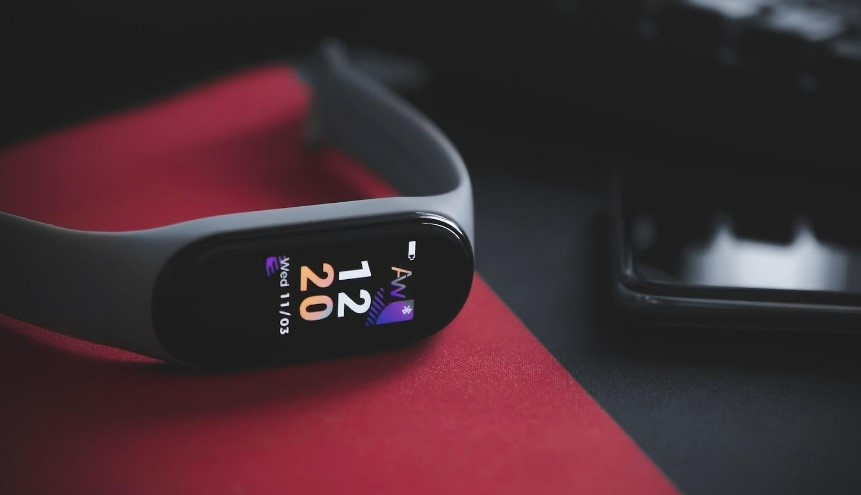
Integration of Wearable Technology
By incorporating wearable technologies, pharmaceutical firms like Avid Bioservices have expanded their operations to include more than just the creation, promotion, and sale of pills. This technology improves patient autonomy in disease management and treatment decision-making.
The medical community now has access to various remote patient monitoring equipment that enables them to maintain tabs on patients with illnesses such as diabetes and asthma.
Artificial Intelligence
Humans will almost no longer be used as test subjects for pharmaceuticals within the next decade. Instead, biotechnology and genomics will make use of cognitive computers.
It will take seconds to see the effect of thousands of medications on billions of simulations of the human body's physiology compared to months to see the effect of a particular drug on thousands of humans.
The Application of Technology to Medicine
The pharmaceutical industry is beginning to understand that making pharmaceuticals is merely the beginning. The most up-to-date evidence suggests they should focus on the patient's health and their way of life.
The term "Around the Pill" digital offering even describes how widespread this phenomenon has become. All aspects of the therapeutic encounter are highlighted in this product. Everything from medications to hardware/software apps that can be purchased together with a prescription is included.
Several popular health-related smartphone apps are currently available on the market. These include fitness apps for chronic conditions, hospital and clinic locators, e-commerce medicine stores, and online doctor consultations.
The lengthy document verification procedure can also be avoided with mobile apps that link patients with insurance firms. The app makes it easy for insurance companies to get a hold of a patient's medical history and prescriptions to determine if a given ailment is covered quickly.
Augmented and Virtual Reality

Pharmaceuticals are just one more industry slowly being invaded by augmented reality. Some drug manufacturers are considering adding 3D visualizations of drug information on bottle labels so patients can more easily understand and relate to their medications.
Patients would be more interested in learning about the drug's effects through an augmented reality display than by reading a long and likely incomprehensible leaflet.
Reaching the end, every facet of the pharmaceutical industry is seeing radical transformation right now. Exploring and investing in cutting-edge technology is crucial for survival and growth in today's business climate.
This article does not necessarily reflect the opinions of the editors or management of EconoTimes