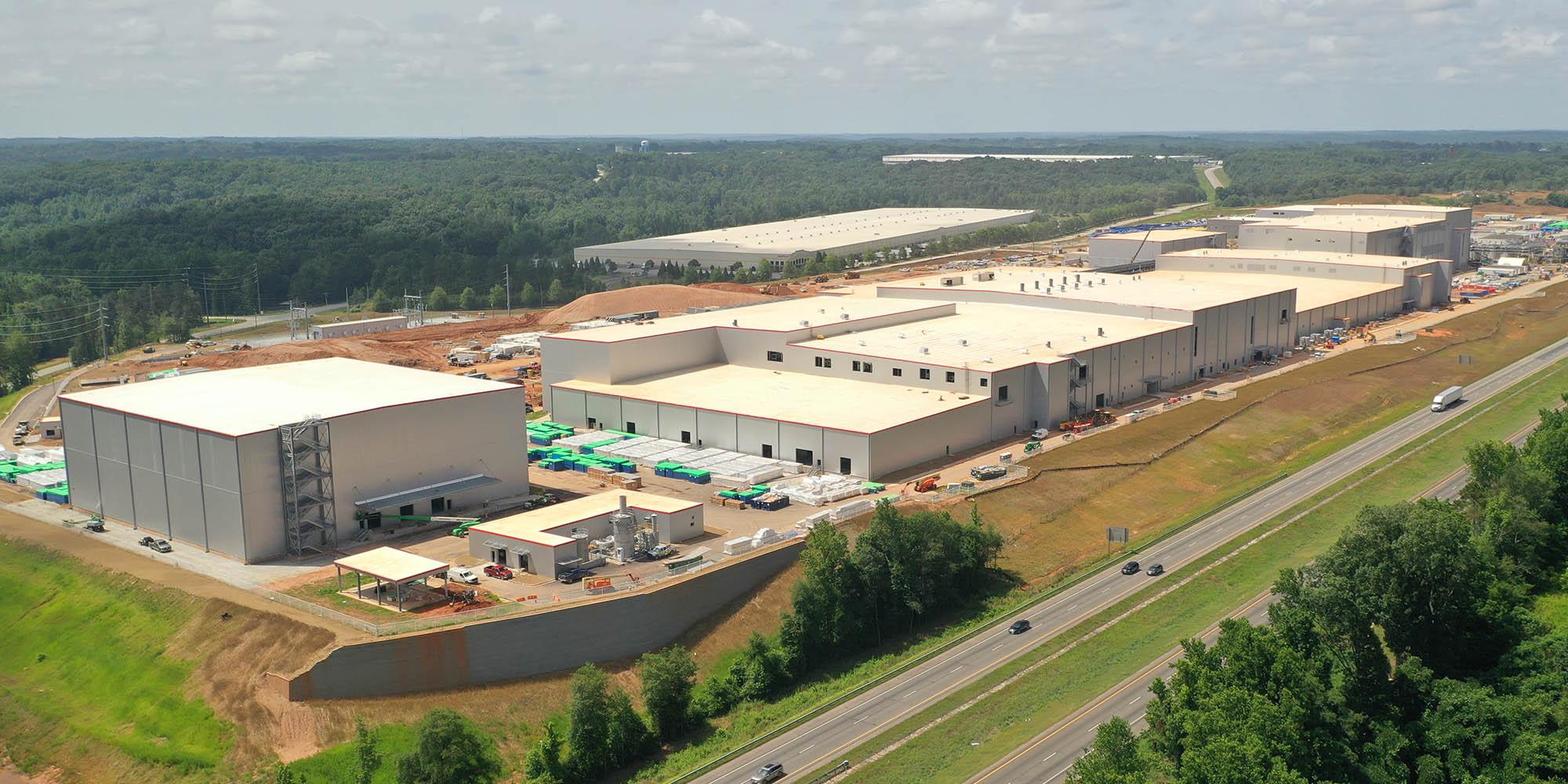
SK Innovation Co. will raise 1.09 trillion won of "green loans" to build its second EV battery plant in Georgia, USA, to start manufacturing in 2023.
The desired loan will be an extension of 728.8 billion won of green financing injected last year in SK battery America Inc., the Korean firm's US subsidiary.
SK Innovation invested 1.8 trillion won on its first EV battery production line in Georgia, which is 90 percent complete and ready for pilot production in the first half of this year.
The two US plants will have a total annual capacity of 21.5 gigawatt-hours, enough to power more than 300,000 EVs.
SK Innovation, the fifth-biggest EV battery producer, shipped 6.5 GWh equivalents of EV batteries in the first 11 months of 2020, equivalent to 5.5 percent of the global market.

Trump Signals Push for Lower Health Insurance Prices as ACA Premium Concerns Grow
John Carreyrou Sues Major AI Firms Over Alleged Copyrighted Book Use in AI Training
Maersk Vessel Successfully Transits Red Sea After Nearly Two Years Amid Ongoing Security Concerns
FTC Praises Instacart for Ending AI Pricing Tests After $60M Settlement
UK Economy Grows 0.1% in Q3 2025 as Outlook Remains Fragile
ByteDance Plans Massive AI Investment in 2026 to Close Gap With U.S. Tech Giants
Platinum Price Surges Past $2,000 as Demand and Supply Dynamics Tighten
EU Delays Mercosur Free Trade Agreement Signing Amid Ukraine War Funding Talks
U.S. Stocks End Week Higher as Tech Rally Offsets Consumer Weakness
Gold Prices Surge to Record Highs as Geopolitical Tensions Fuel Safe-Haven Demand
Yen Slides as BOJ Caution Undercuts Rate Hike Impact
German Exports to the U.S. Decline Sharply as Tariffs Reshape Trade in 2025
Saks Global Weighs Chapter 11 Bankruptcy Amid Debt Pressures and Luxury Retail Slowdown
Trump Defends Economic Record in North Carolina as Midterm Election Pressure Mounts
Roche CEO Warns US Drug Price Deals Could Raise Costs of New Medicines in Switzerland
7-Eleven CEO Joe DePinto to Retire After Two Decades at the Helm
U.S. Dollar Slips as Yen Finds Support on Intervention Signals and Geopolitical Risks Rise 


