


 Fed Unveils Stablecoin Rules Under GENIUS Act
  South Korea Exports Surge 83.5% on AI Chip Boom
  RBA Set for September Rate Hike as Inflation Stays High
  RBI Uses $10 Billion Currency Swaps to Drain Excess Rupee Liquidity
  Gold Plunges 4% as Treasury Yields Surge and Fed Rate Hike Bets Rise
  RBA Hikes Interest Rate to 4.60% as Inflation Risks Rise
  Gold Holds Near Seven-Week Low as Fed Rate Hike Bets Rise
  Asian Currencies Mixed as Yen Weakens, RBA Hike Looms
  Oil Prices Steady as Middle East Crude Flows Recover
  Dollar Hits Three-Month High as US Treasury Yields Surge
  US Dollar Hits Two-Month High as Aussie, Pound Slide
  US Treasury Bond Buybacks Fall Short Despite Expanded $6 Billion Cap
  Gold Prices Slip as High Treasury Yields Weigh on Bullion
  Asian Stocks Rise as Bond Yields Ease Ahead of U.S. Inflation Data


 Add as a preferred source on Google
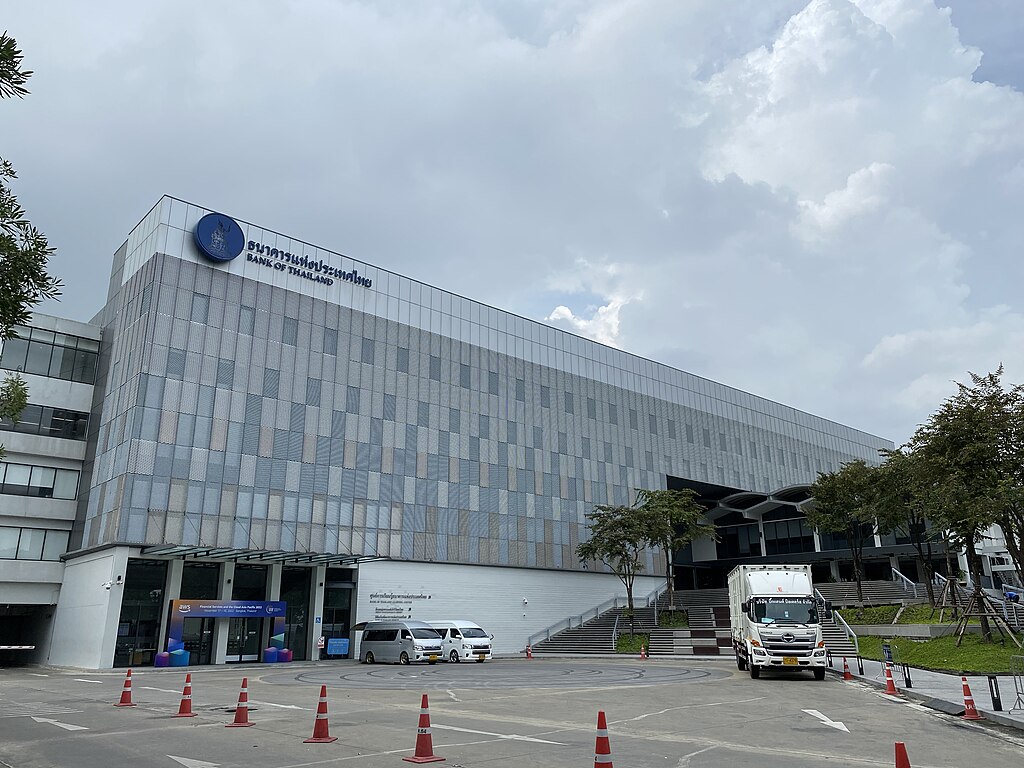
The Bank of Thailand (BOT) is expected to keep its key interest rate at 2.25% on February 26, with a potential rate cut later this year, as per a Reuters poll of economists. With the economy growing at 3.2% in Q4—its fastest pace in over two years—and inflation under control, there is little urgency for immediate monetary easing.
Over 60% of economists in the February 14-21 poll predict no rate change, while 10 out of 26 expect a 25-basis-point cut. The central bank aims to assess the impact of existing government policies, such as the cash handout scheme launched in September, before making further adjustments.
Despite growth falling short of the government's 3.5% target, Thailand’s finance ministry has urged the BOT to cut rates further to stimulate the economy. Among economists providing long-term forecasts, 17 of 23 expect a 25-bp cut by mid-year, bringing the rate to 2.00%. However, four predict no change, while two see a potential drop to 1.75%.
The BOT remains cautious due to global economic uncertainties. Weakening demand from China and potential U.S. trade protectionist measures pose risks to Thailand’s trade and tourism sectors—key economic pillars. Some analysts suggest additional rate cuts could be possible if downside risks materialize.
The median forecast indicates rates will stay at 2.00% until at least mid-2026, reflecting a balanced approach between economic growth and financial stability. While policymakers weigh further action, Thailand's economic outlook will largely depend on global trade conditions and domestic policy effectiveness.







