Thailand has launched air strikes along its disputed border with Cambodia after both nations accused each other of violating a fragile ceasefire brokered by U.S. President Donald Trump. The renewed conflict erupted in Thailand’s eastern Ubon Ratchathani province, where Thai forces reported coming under Cambodian fire. According to Thailand’s military, one soldier was killed and four were wounded in the clashes, prompting the deployment of aircraft to target Cambodian military positions.
Cambodia’s defence ministry stated that Thailand initiated dawn assaults at two locations following what it described as days of Thai provocations. Cambodia insisted its troops did not retaliate, while Thailand accused Cambodian forces of firing BM-21 rockets toward civilian areas, though no civilian casualties were reported.
The breakdown of the ceasefire marks a sharp escalation after a five-day conflict in July left at least 48 people dead and forced around 300,000 people to flee. That fighting ended following mediation by Malaysian Prime Minister Anwar Ibrahim and Trump, culminating in a peace agreement signed in Kuala Lumpur in October. However, tensions resurged last month when a landmine blast severely injured a Thai soldier, leading Thailand to suspend implementation of the peace pact.
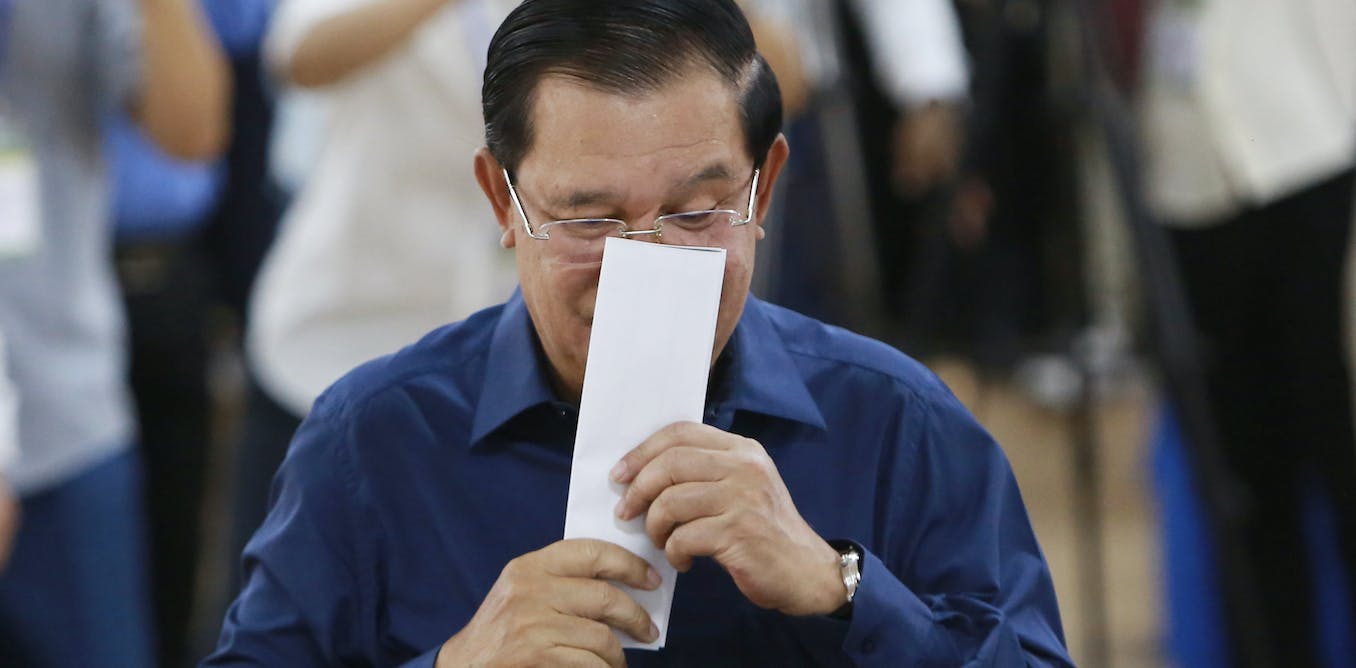
Cambodia’s influential former leader Hun Sen condemned Thailand’s actions, calling the Thai military “aggressors” and urging Cambodian forces to remain disciplined and avoid retaliation unless a clear red line is crossed.
Meanwhile, Thailand is evacuating more than 385,000 civilians across four border districts, with over 35,000 already sheltered in temporary facilities as military operations continue.
The Thailand-Cambodia border, stretching 817 kilometers, has been a longstanding source of tension due to undemarcated sections dating back to French colonial-era maps from 1907. While past disputes have sporadically erupted into violence—including a major exchange in 2011—efforts to resolve overlapping territorial claims have repeatedly stalled, leaving the region vulnerable to renewed conflict.