


 Hong Kong’s Second Solana ETF Launches With Lower Fees
  Syndax Stock Drops 15% After Axatilimab Trial Failure
  Coinbase CEO Backs SEC Accredited Investor Reform
  Moonshot AI Executives Seek Settlement Ahead of Hong Kong IPO
  TSMC Profit Set to Surge 65% as AI Chip Demand Drives Record Earnings
  Elon Musk Donates $366 Million to 2026 US Midterms
  Orsted to Take Full Ownership of UK Offshore Wind Farm for £15 Million
  Samsung, SK Hynix Shares Fall as China's CXMT Advances DRAM Technology
  Nasdaq Faces Pullback to 26,225 Despite Bullish Outlook, UBS Says
  Bumble Shares Surge 50% on $1 Billion Buyout Talks
  Binance to Shut Down Crypto Mining Pool Services on November 10
  Samsung, SK Hynix Shares Plunge as China Chip Competition Grows
  Canton Network Expands in South Korea With Major Partnerships
  Meta Launches Muse Wonder AI Models, Shares Rise 3.7%
  Visa Wins China Approval to Prepare Domestic Payments Expansion
  Epic Games Delays Disney Shooter, Shifts to AI-First Development


 Add as a preferred source on Google
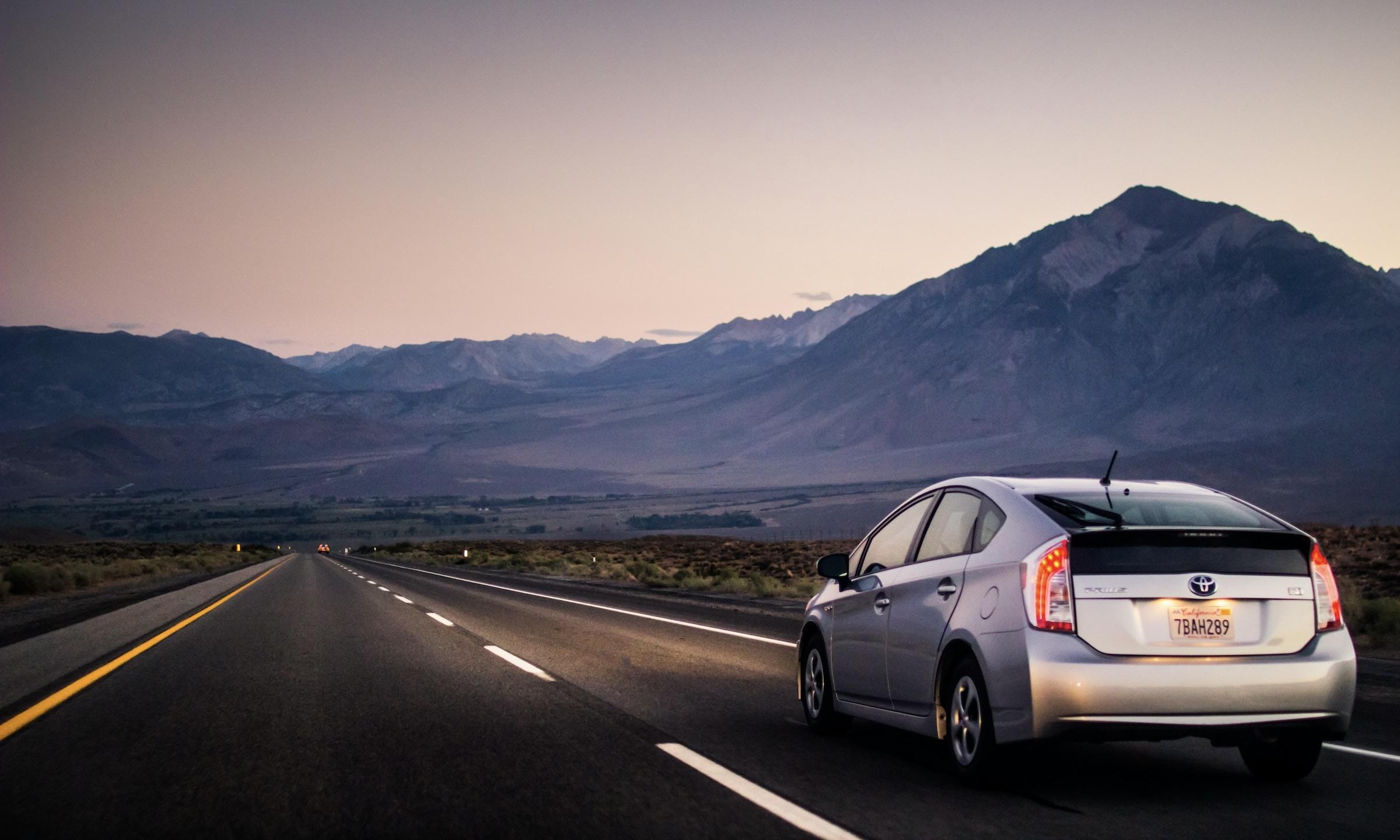
Japan’s Toyota Motor is pushing for the Indian government to slash taxes on hybrid vehicles by up to one-fifth. The automaker argues that hybrids are significantly less polluting than petrol cars but do not receive equivalent policy treatment.
According to a letter from Toyota to Prime Minister Narendra Modi’s Niti Aayog think-tank, the company plans to expand production capacity to meet the rising demand for hybrids in India, per Reuters.
Tax Differential and Emission Reduction
India imposes a tax of just 5% on electric vehicles (EVs) while levying up to 43% on hybrids, slightly below the 48% tax on petrol cars. Toyota contends that the 5-percentage-point differential in favor of hybrids over petrol cars is inadequate, considering the reduced emissions and improved fuel consumption that hybrids offer.
In the letter, Toyota suggests a tax rate of 37% on hybrids and 34% on flex-hybrids, equating to cuts of up to 14% and 21%, respectively.
India's government has concentrated its efforts on incentivizing the sales of EVs. Toyota, however, defends the importance of hybrids in markets lacking appropriate infrastructure for EVs, according to Asahi Shimbun.
While Indian giants Tata Motors and Mahindra & Mahindra support EVs, Toyota and Honda Motor advocate for hybrid vehicles. The automaker believes combining electrified and alternative energy options, including EVs and hybrids, is the "most optimal way" to reduce carbon emissions.
Toyota's Multi-Pathway Approach
Acknowledging the criticism from investors and climate groups, Toyota has begun developing EVs while continuing to champion hydrogen-powered cars.
The automaker asserts that a "multi-pathway" approach is necessary to address the climate crisis. India's tax structure and the utilization of comparatively pricier power-train components make hybrids "30%-35% costlier than its petrol counterparts," notes Toyota in its letter.
Besides tax reductions, Toyota urges India to include hybrid cars in a government incentive program that only benefits EV buyers. The automaker requests that the program be extended to hybrids, which would offer buyers discounts. Toyota did not comment on the specifics of the letter.
Still, it maintained that a comprehensive solution to carbon emissions requires a range of electrified and alternative energy options, including both EVs and hybrids.
Photo: Raivis Razgals/Unsplash







