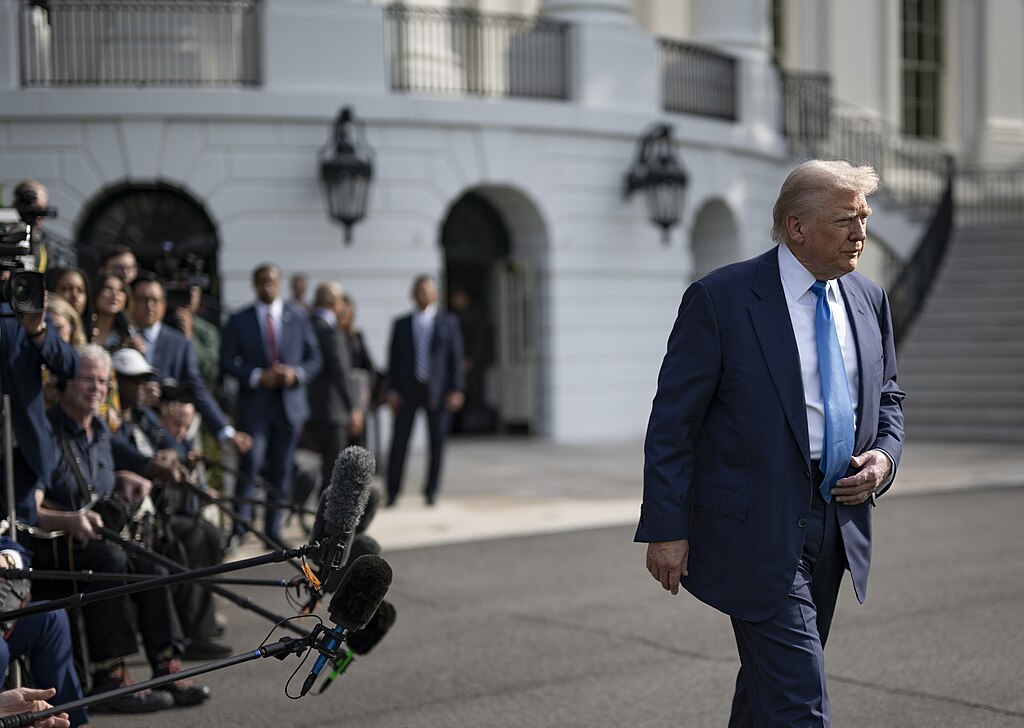
U.S. President Donald Trump announced that Afghanistan, Bolivia, Burma, Colombia, and Venezuela have been added to Washington’s list of countries that “failed demonstrably” to meet their international counternarcotics commitments over the past year. The decision could lead to cuts in non-military U.S. aid and further strain diplomatic relations.
In his declaration, Trump highlighted Colombia as a major concern, pointing to record-high coca cultivation and cocaine production under President Gustavo Petro. He criticized Petro’s policies, saying his efforts to negotiate with narco-terrorist groups worsened the crisis. While acknowledging the bravery of Colombian security forces, Trump stressed that leadership failures were to blame. He added that Colombia’s designation could change if its government takes stronger action to eradicate coca and reduce cocaine trafficking.
Trump has previously threatened to “decertify” Colombia’s drug control efforts, with Republican lawmakers backing sharp reductions in U.S. aid. Reports suggest that up to $100 million in programs unrelated to drug trafficking could face cuts if Washington follows through.
Responding to the announcement, President Petro lamented the decision in a video message, citing the sacrifices of Colombian soldiers, police, and civilians in fighting drug trafficking. He argued that Colombia’s efforts were not only for its people but also to prevent the flow of cocaine into the United States, criticizing U.S. consumption as the root of the problem.
Colombia’s ambassador to Washington, Daniel Garcia-Pena, confirmed last week that U.S. funding had already been reduced with the dismantling of USAID. He warned that Trump’s move could trigger deeper cuts, further complicating bilateral cooperation.
The designation of these five countries underscores Washington’s hardline stance on global narcotics control and signals potential shifts in foreign aid and diplomatic relations.