


 FCC Approves Foreign Investment in $110B Paramount-Warner Bros. Deal
  Pentagon Restarts Testosterone Testing for US Troops
  Australia Plans New Rules Giving Users Control Over Social Media Feeds
  Trump Threatens EU Tariffs Over Canada Membership Proposal
  Australia Defends Social Media Algorithm Law Amid US Concerns
  Trump Eyes End to Iran War, Plans Gulf Leaders Meeting
  Australia Tightens Student Visa Rules, Targets Migration Cut by 2028
  DOJ Will Investigate AI-Related Crimes, Attorney General Blanche Says
  Trump Grants Clemency to Jay-Z Associate Emory Jones
  Rodrigo Duterte Makes First Public Appearance at ICC in 18 Months
  US Delegation Visits Myanmar, Secures Release of American Adam Castillo
  FDA Weighs Safety Standards for Psychedelic Therapies
  FBI, Coast Guard Board Ships After Cyberattacks
  US Immigration Arrests Surge as Deportations Lag Behind
  U.S. Probes Apex Logistics Over Nvidia AI Chip Shipments to China
  Yemen Fighting Threatens Red Sea Oil Routes
  FAA Allows Boeing to Sell 35 More 777F Freighters Beyond 2028


 Add as a preferred source on Google
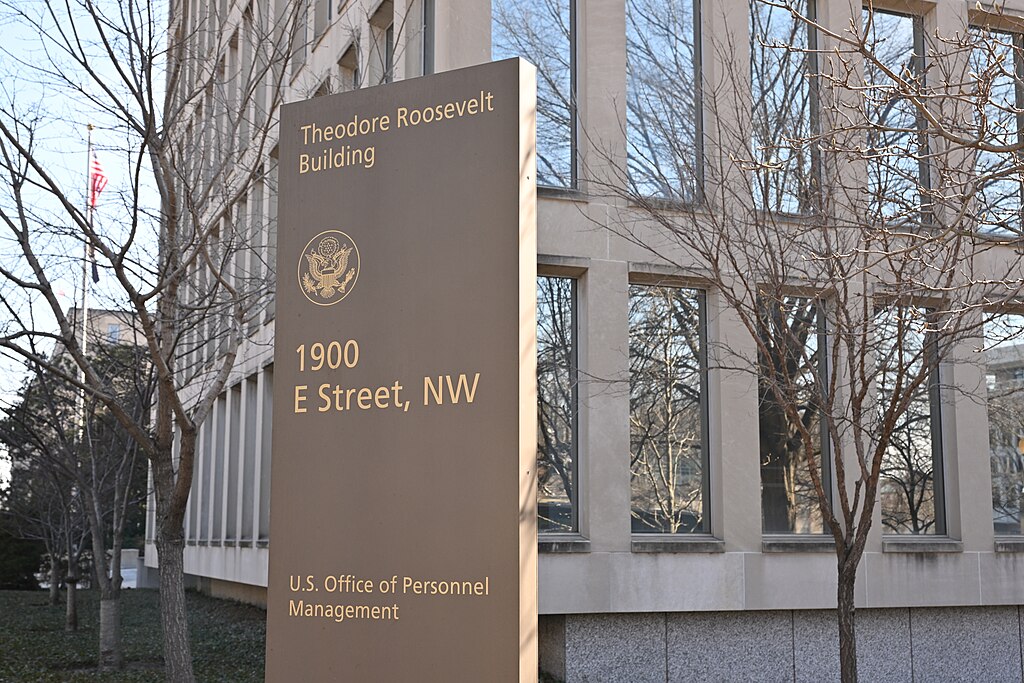
The Trump administration has announced a policy shift allowing federal employees to work from home or adjust their schedules for religious observances, including fasting and prayer. This marks a significant softening of President Donald Trump’s earlier mandate that all federal workers report to their offices five days a week.
The Office of Personnel Management (OPM), under Director Scott Kupor, urged federal agencies to take a “generous approach” when handling employee requests tied to religious holidays. Workers observing religious fasts may request telework accommodations or flexible hours, and agencies denying such requests must show “evidence of significant operational impact,” Kupor said.
The updated guidance follows Trump’s campaign promises to eliminate remote work, which he criticized as wasteful and vowed to end. After the election, he even threatened to fire employees who refused to return to office-based work. However, recent exceptions—including for military spouses—signal a gradual shift in federal telework policy.
Elon Musk, CEO of Tesla and a vocal supporter of Trump’s cost-cutting initiatives, previously predicted that revoking remote work privileges would lead to mass resignations, which he welcomed.
As of May 2024, nearly half of the federal civilian workforce—more than 1 million employees—were eligible for part-time remote work, according to a Biden-era report. About 10% worked entirely from home.
The policy update reflects a balancing act between maintaining in-person productivity and respecting religious freedom. By relaxing restrictions during religious periods, the administration appears to be adjusting its hardline stance to accommodate the diverse needs of the federal workforce, while still maintaining its broader opposition to widespread telework.
This latest move could influence future debates around federal remote work policy, particularly as religious accommodation and flexible work continue to intersect in government employment.







