The Trump administration is weighing Ukraine’s request for long-range Tomahawk cruise missiles, but officials say the plan faces significant hurdles due to existing U.S. military commitments. According to a Reuters report citing one U.S. official and three sources familiar with the matter, while Washington acknowledges Kyiv’s appeal, the likelihood of transferring the weapons remains slim.
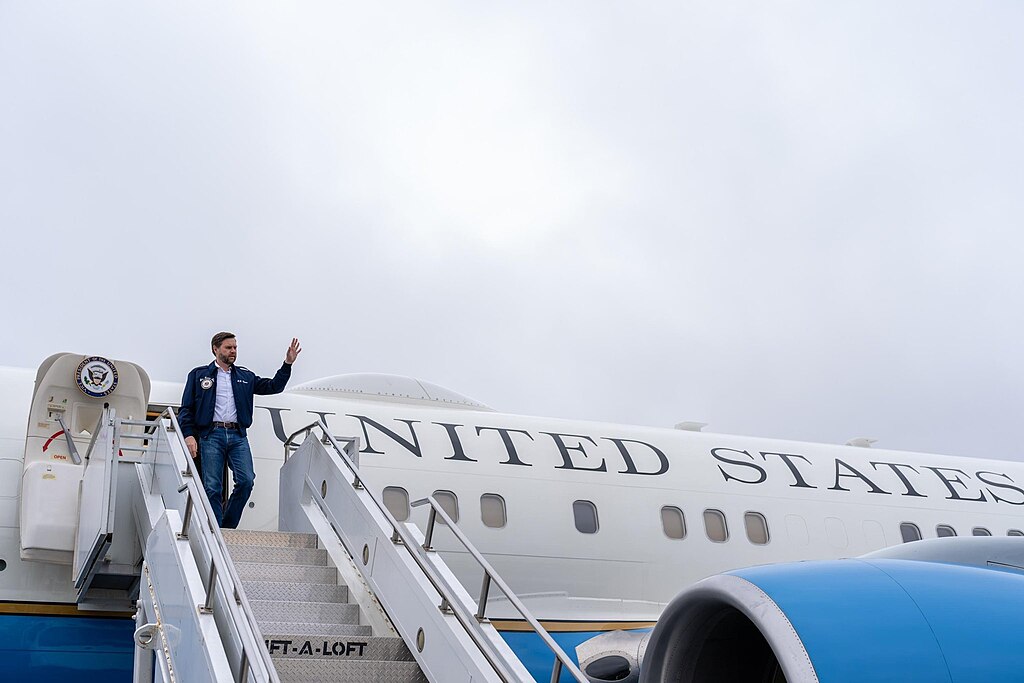
Vice President JD Vance confirmed on Sunday that the administration is considering Ukraine’s demand for Tomahawks, which have a range of up to 2,500 kilometers (1,550 miles). This capability would give Kyiv the ability to strike targets deep inside Russian territory, including Moscow, potentially reshaping the battlefield. However, officials warn that such a move could escalate tensions to dangerous levels.
Although U.S. authorities emphasize there is no shortage of the missiles, current inventories are already committed to the U.S. Navy and other defense operations. This makes it unlikely that Tomahawks will be diverted to Ukraine in the near term. Instead, Washington is exploring alternatives, such as enabling European allies to provide other long-range strike systems or supplying Kyiv with shorter-range weapons better aligned with U.S. military planning.
The Tomahawk has long been a cornerstone of U.S. precision strike capabilities, frequently deployed in conflicts to target land-based infrastructure with high accuracy. For Ukraine, securing such advanced systems would mark a significant upgrade to its arsenal, but for the United States, the challenge lies in balancing support for Kyiv with maintaining its own strategic readiness.
As the Trump administration evaluates its options, Ukraine continues to press for advanced weaponry to defend its sovereignty, while Washington must weigh the risks of escalation against the benefits of strengthening an ally on the frontlines of the war.