


 Iran Warns US Against Renewed Attacks as Hormuz Tensions Rise
  Judge Blocks Trump Election Conditions on Counterterrorism Grants
  White House Blames Democrats as CLARITY Act Stalls
  Bitcoin Slides Below $84K as Trump Signals Possible New Iran Strikes
  US Troops Set to Complete Iraq Withdrawal as Iran Influence Grows
  Second DOJ Lawyer Exits Trump Probe
  UK PM Burnham Signals Social Care Tax Changes, Questions Heathrow Expansion
  Republicans Flood Safe House Races With Cash as Midterm Risks Rise
  Senate Democrats Say Tether USDT Helps Iran Evade Sanctions
  Haiti Gang Retaliation Kills at Least 11 in Artibonite
  US Plans Iran Sanctions Waiver for Pilgrim Flights to Iraq
  Taiwan Pushes Back on China’s World War Two Narrative After Trump-Xi Summit
  National Rally Secures French Senate Caucus for First Time
  UN Experts Urge US to Halt Third-Country Migrant Deportations
  Iran Holds Firm on Hormuz Reopening Terms Despite Trump Rejection
  Rubio Warns Cuba to Change Course as US Pressure Mounts


 Add as a preferred source on Google
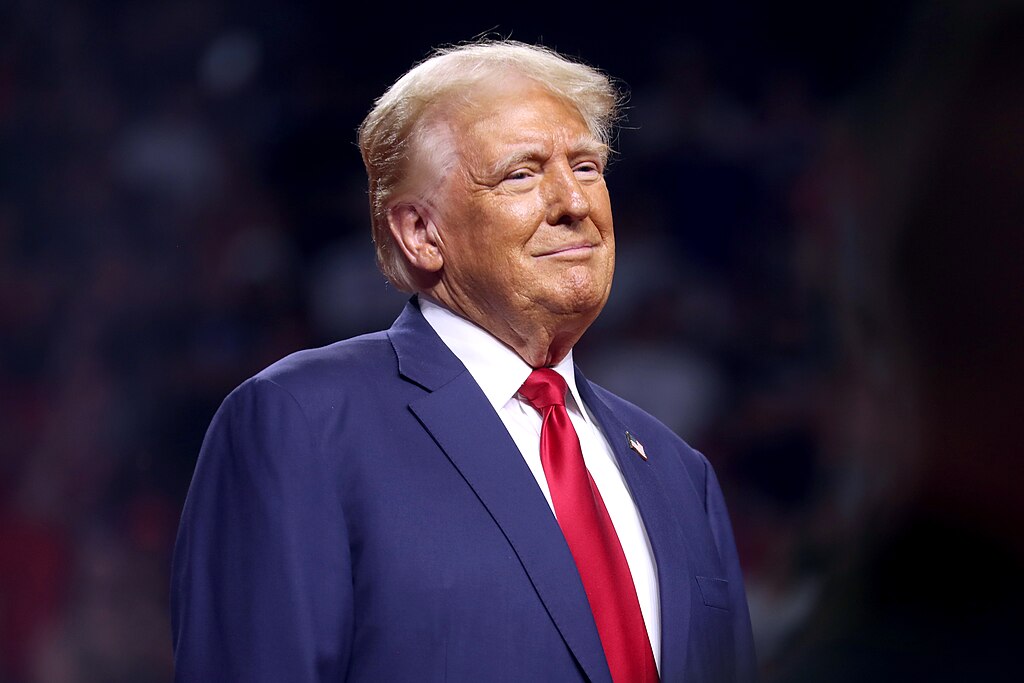
Former President Donald Trump’s advisers are reportedly developing a strategy to execute a large-scale deportation plan, according to sources from The Wall Street Journal. This strategy, if enacted, would aim to detain and deport a substantial number of undocumented migrants from the United States. Key to this effort is a potential national emergency declaration, which would grant the administration power to use military assets for detention and removal purposes.
National Emergency Declaration Could Enable Military Involvement
The strategy under consideration would involve Trump, if re-elected in 2024, declaring a national emergency to repurpose military resources, including personnel and facilities, for immigration enforcement. This approach, Trump’s advisers argue, would enable a rapid and forceful response to immigration, addressing what they describe as a “crisis at the border.” Declaring a national emergency could bypass certain legal restrictions, giving the administration broader authority to manage mass detentions and deportations across the country.
While Trump previously attempted to leverage a national emergency to secure funding for a border wall, the new plan would focus more directly on using military resources to support a nationwide deportation effort. The scope and scale of this proposal mark a significant escalation from Trump’s first term, reflecting his campaign’s intensified focus on immigration policy.
Critics Raise Concerns Over Humanitarian and Legal Implications
The proposal has sparked significant concern among immigration advocates and legal experts, who warn that mass deportations supported by military resources could lead to human rights challenges and overreach of executive power. Critics argue that using the military in this way risks straining federal resources and bypassing established legal protections for migrants. Concerns about potential abuse and humanitarian consequences are already drawing widespread criticism, even before any official announcement from the Trump campaign.
Trump’s immigration policies have consistently been a cornerstone of his political platform, and this proposed strategy highlights his commitment to taking an even harder stance if given another term. As the 2024 election approaches, this potential plan is likely to remain a central and contentious issue in public debate.







