A fragile ceasefire between Iran and Israel, brokered by U.S. President Donald Trump, has taken hold after nearly two weeks of intense conflict. Despite Trump’s claims that U.S. airstrikes had “obliterated” Iran’s nuclear program, a preliminary assessment from the Defense Intelligence Agency suggests the strikes only delayed Iran’s capabilities by a few months. Key uranium enrichment sites were damaged but not destroyed, with underground facilities largely intact.
Trump scolded both sides for ceasefire violations, singling out Israel for resuming attacks shortly after the agreement. Netanyahu later confirmed a retaliatory strike on a radar site near Tehran following Iranian missile fire, although Tehran denied launching any missiles post-ceasefire.
Iran declared a "great victory" as President Masoud Pezeshkian indicated openness to resolving differences with the U.S. Meanwhile, Israel’s Prime Minister Netanyahu claimed the strikes eliminated immediate nuclear threats. Israeli Defense Minister Israel Katz pledged to uphold the ceasefire, contingent on Iran's compliance.
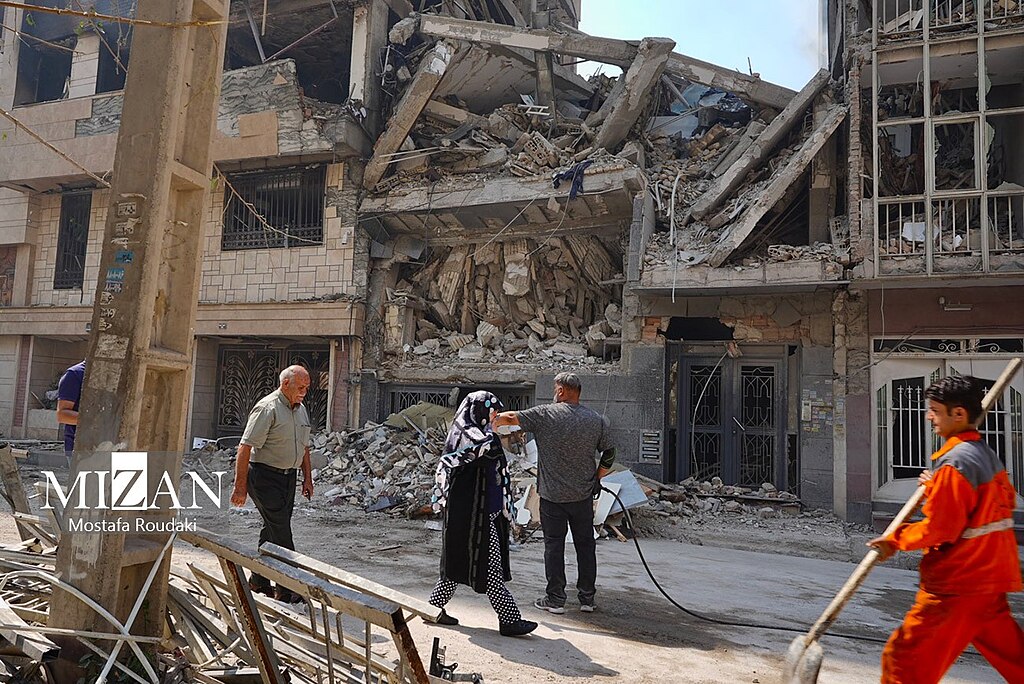
The conflict, which began with an Israeli air assault on June 13 targeting Iranian nuclear sites and top commanders, saw Iran retaliate with missile strikes that breached Israeli air defenses, resulting in 28 Israeli and over 600 Iranian deaths.
Though both nations reopened airspace and eased civilian restrictions, tensions remain high. U.S. officials stressed that the ceasefire, while tentative, shows America still holds sway in Middle East diplomacy.
Markets responded positively, with global stocks rising and oil prices falling as fears of disruption to Gulf energy supplies eased. Still, military leaders on both sides warned the confrontation may not be over, underscoring the ceasefire’s uncertain future.