U.S. President Donald Trump said on Friday that he is open to reducing tariffs on Brazilian imports under favorable conditions, signaling a potential shift in trade relations between the two nations. Speaking aboard Air Force One en route to Malaysia for a regional summit, Trump noted that any tariff reduction would depend on negotiations with Brazil’s leadership.
In early August, Trump raised tariffs on most Brazilian goods from 10% to 50%, citing political motivations linked to what he described as a “witch hunt” against former Brazilian President Jair Bolsonaro. The move drew criticism from global trade analysts and Brazilian officials who warned that the steep increase could strain economic ties between the two countries.
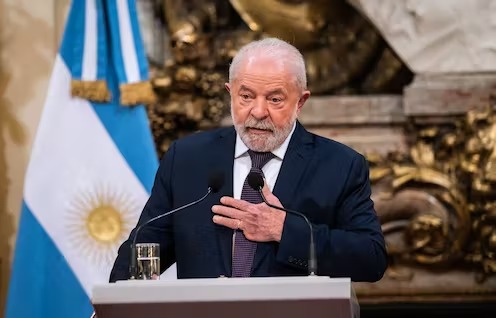
Meanwhile, Brazil’s current President Luiz Inacio Lula da Silva, commonly known as Lula, expressed optimism about reaching a trade agreement with Washington. Speaking to reporters in Kuala Lumpur, Lula emphasized that dialogue and cooperation could lead to a resolution benefiting both economies. “It all depends on the conversation,” he said. “I work with the optimism that we can find a solution.”
The potential tariff reduction could have major implications for U.S.-Brazil trade, particularly in sectors such as agriculture, manufacturing, and energy. Economists note that easing trade barriers would boost exports, stabilize commodity prices, and strengthen diplomatic relations between the Western Hemisphere’s two largest economies.
As global markets closely monitor developments, both nations appear willing to engage in further discussions to restore economic balance. If successful, the talks could mark a new phase in U.S.-Brazil relations, enhancing bilateral cooperation and promoting mutual economic growth.