


 Global Poll Shows Rising Trust in Institutions as US-China Leadership Support Falls
  US Judge Dismisses Imran Ahmed Deportation Lawsuit
  Trump Administration Removes Confederate Memorial Criticism From Arlington Website
  Trump Administration Pauses Visa Appointments Worldwide
  North Korea Vows to Expand Nuclear Arsenal Amid U.S.-Led Military Buildup
  US-China Experts Push AI Nuclear Safeguards to Prevent Military Escalation
  US Resumes Immigrant Visa Processing for Hungary, Poland
  Japan, U.S. Discuss $19 Billion GlobalFoundries Chip Plant
  US Confirms Weapons in Orbit as Space Tensions Rise
  UK PM Andy Burnham Set for First Trump Meeting in New York
  U.S. Issues Cuba Health Alert as Illnesses Rise
  Rodrigo Duterte Makes First Public Appearance at ICC in 18 Months
  U.S. Probes Apex Logistics Over Nvidia AI Chip Shipments to China
  Yemen Fighting Threatens Red Sea Oil Routes
  Google Changes EU Spam Policy Amid Antitrust Scrutiny
  US Immigration Arrests Surge as Deportations Lag Behind
  Guterres Urges Stronger Global AI Safeguards Ahead of UN Assembly


 Add as a preferred source on Google
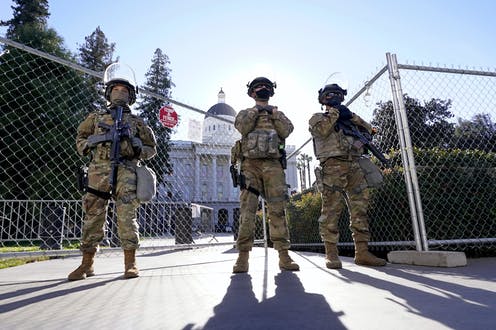
U.S. President Donald Trump announced Wednesday that his administration is withdrawing National Guard troops from Chicago, Los Angeles, and Portland, while warning that federal forces could return if crime rates rise again. The decision follows months of legal challenges and criticism from local leaders who argued the deployments were unnecessary and unlawful.
In a social media post, Trump claimed crime had been “greatly reduced” due to the presence of the National Guard and described the troops as “great Patriots.” He added that federal forces would “come back, perhaps in a much different and stronger form,” should crime increase in the future. The announcement came as courts continued to question the legality of the deployments.
Local officials and Democratic leaders in the affected cities have consistently accused the Trump administration of federal overreach, saying it exaggerated isolated incidents of violence to justify sending troops. Judges overseeing lawsuits filed by cities ruled that the federal government overstepped its authority and failed to prove that National Guard deployments were necessary to protect federal property or personnel from protesters.
The legal pressure intensified when a federal appellate court ruled that hundreds of California National Guard troops must be returned to Governor Gavin Newsom’s control. In addition, the U.S. Supreme Court blocked Trump’s attempt to deploy National Guard troops in Illinois, stating that presidential authority to federalize the Guard likely applies only in “exceptional” circumstances. The court noted that the administration failed to identify a lawful basis for using the military to execute laws in the state.
Newsom’s office responded sharply to Trump’s announcement, calling it a political retreat driven by court rulings. Chicago Mayor Brandon Johnson’s office also pushed back, sharing 2025 data showing violent crime in the city fell to its lowest level in more than a decade, down 21.3% from 2024.
Trump initially began deploying troops in June amid protests over his strict immigration policies and increased deportation efforts. He also sent forces to Washington, D.C., asserting that crime was rampant, despite local statistics suggesting otherwise. Military officials have since been scaling back the deployments as ongoing litigation left their status uncertain, marking another chapter in the debate over federal authority, public safety, and the role of the National Guard in U.S. cities.







