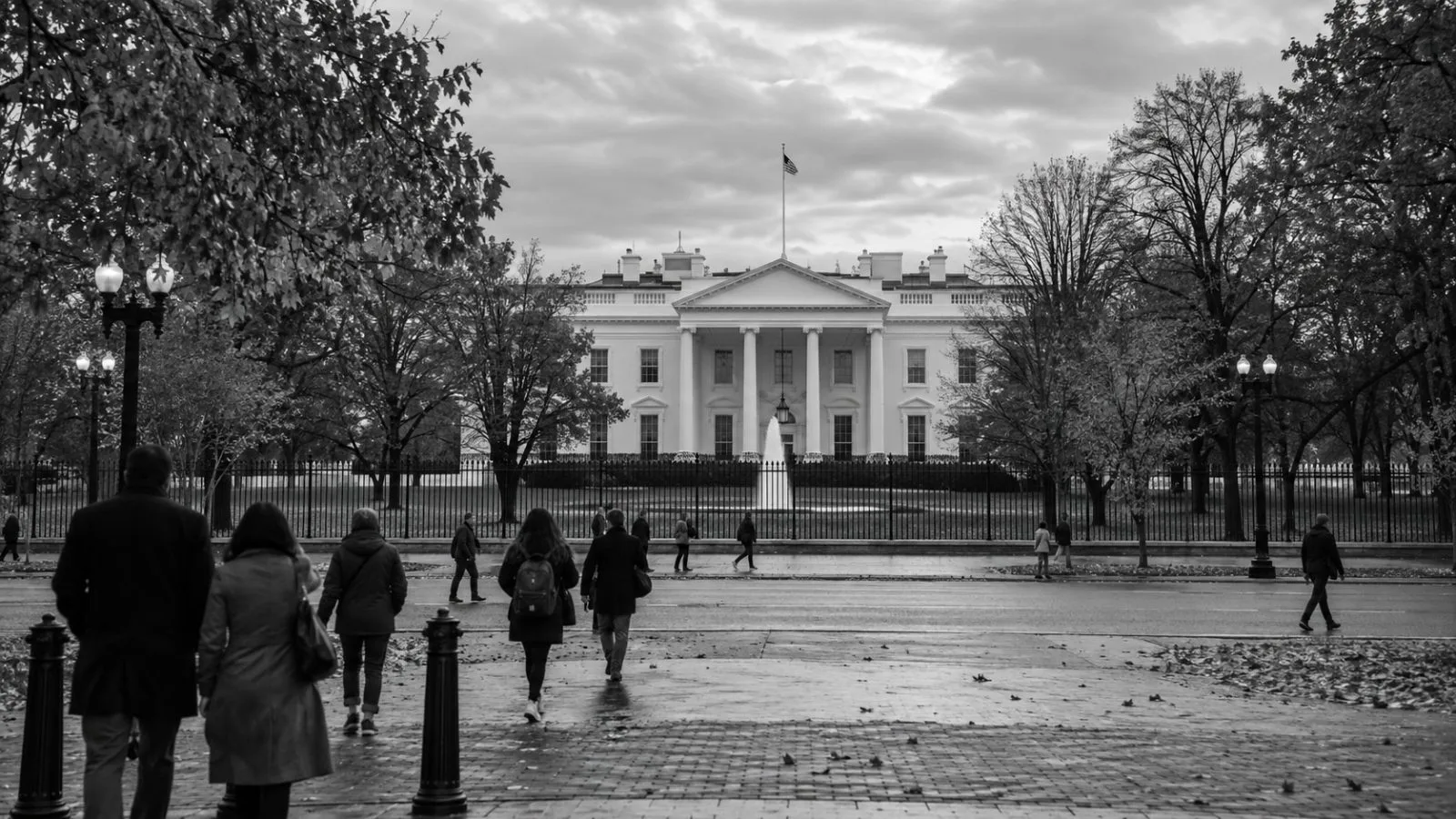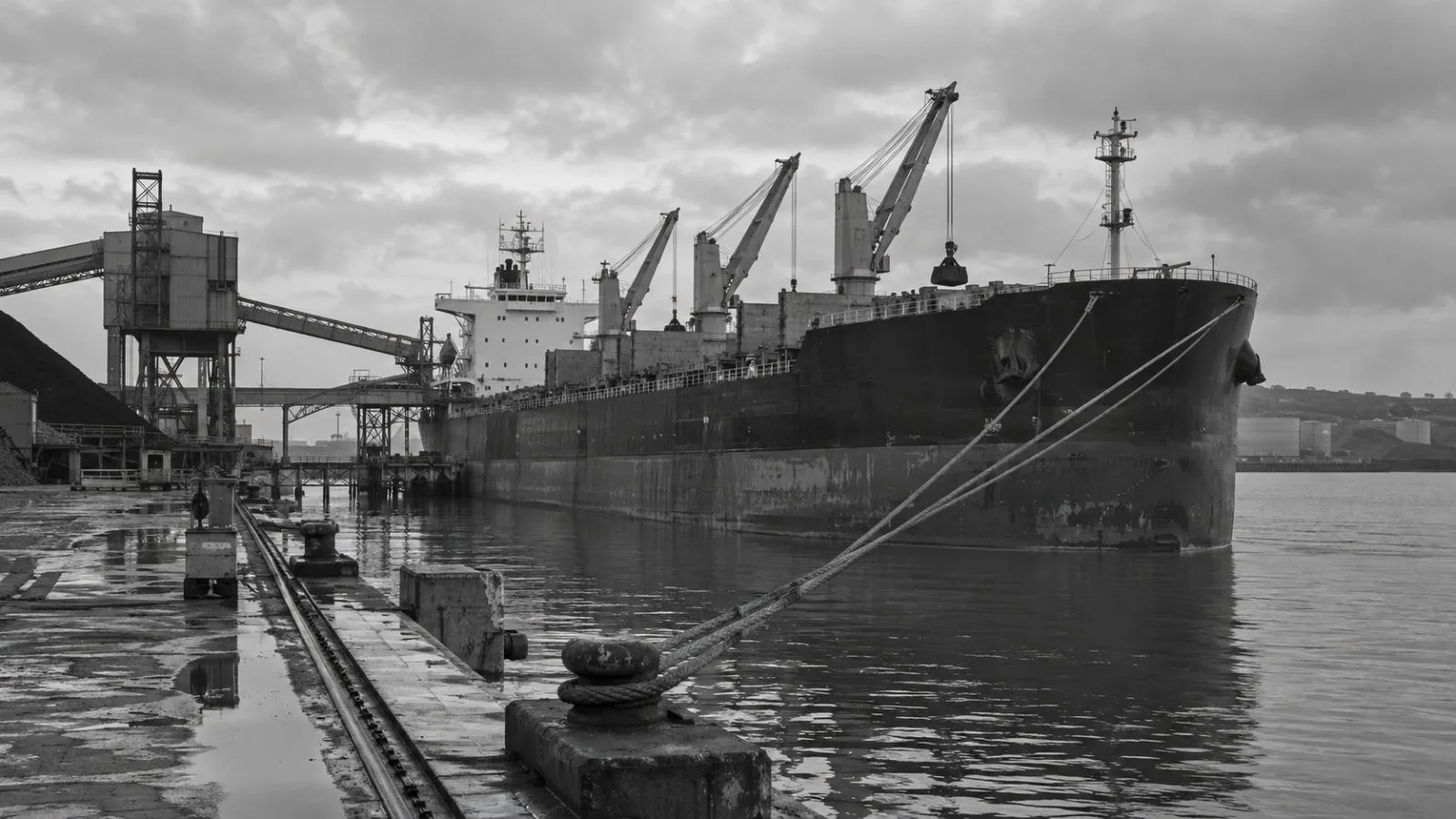
The Trump administration has unveiled a sweeping Maritime Action Plan aimed at rebuilding U.S. shipbuilding and strengthening the nation’s broader maritime industry. The more than 30-page strategy outlines a long-term roadmap to restore America’s commercial shipping capacity, which has steadily declined since World War II and now trails far behind China and other global competitors.
A key element of the plan involves funding the revival effort through port fees on cargo arriving in the United States aboard Chinese-built ships. These levies were previously paused for one year under a U.S.-China agreement but are expected to play a central role in financing maritime security and infrastructure improvements. The administration argues that redirecting these funds into domestic shipyards and related industries will help rebuild American maritime dominance and reduce reliance on foreign shipbuilders.
The Maritime Action Plan proposes the creation of maritime prosperity zones designed to attract private investment and stimulate economic growth in coastal and shipbuilding communities. It also calls for reforming workforce training programs, modernizing maritime education, expanding the fleet of U.S.-built and U.S.-flagged commercial vessels, and cutting regulatory barriers that may hinder industry growth. Another major component includes establishing a dedicated Maritime Security Trust Fund to provide consistent funding for shipyard revitalization and maritime infrastructure projects.
Industry leaders, shipyard owners, and investors have welcomed the proposal, as have bipartisan supporters of the Shipbuilding and Harbor Infrastructure for Prosperity and Security (SHIPS) for America Act. U.S. Senator Todd Young of Indiana, along with Democratic Senator Mark Kelly of Arizona, reintroduced the SHIPS Act last year to support similar objectives. The legislation would formally create the Maritime Security Trust to reinvest port fee revenue into maritime security and infrastructure upgrades.
Despite rare bipartisan backing in Washington, the SHIPS Act has yet to advance quickly through Congress. Senator Young emphasized that the administration’s announcement should serve as a call to action for lawmakers to provide the legal authority and resources needed to restore U.S. shipbuilding and strengthen America’s maritime competitiveness.