


 US Supreme Court Denies Release of Anti-ICE Activist Kyle Wagner
  Italy’s Meloni Warns US-Russia Diesel Deal Could Weaken Ukraine Sanctions
  IMF Warns US Debt Crisis Needs Fiscal Action, Urges China to Boost Consumption
  FBI Denies Report of Kash Patel’s Russia Visit
  Zelenskiy Says Ukraine Received No Warning Before Russian Missile Attack
  US Justice Department Drops Prosecution of Ex-CIA Analyst Sue Mi Terry
  Jordan Bardella Antisemitism Allegations Threaten Le Pen’s Campaign
  Trump Warns Houthis Over Attacks, Considers Erdogan Intervention
  Elon Musk Donates $366 Million to 2026 US Midterms
  SpaceX Starlink Restrictions Disrupt Ukraine Military Operations
  Trump Denies Russia and China Are Helping Iran in U.S. Conflict
  US Recalls Nicaragua Envoy After Ambassador Rejection
  Container Ship Sinks in Strait of Hormuz as Iran Attacks Escalate
  China Warns Taiwan Over South China Sea Coast Guard Incident
  Most Americans Oppose Election Betting on Prediction Markets, Poll Finds
  Zelenskiy Says Trump’s Support for Russia Is ‘Painful’


 Add as a preferred source on Google
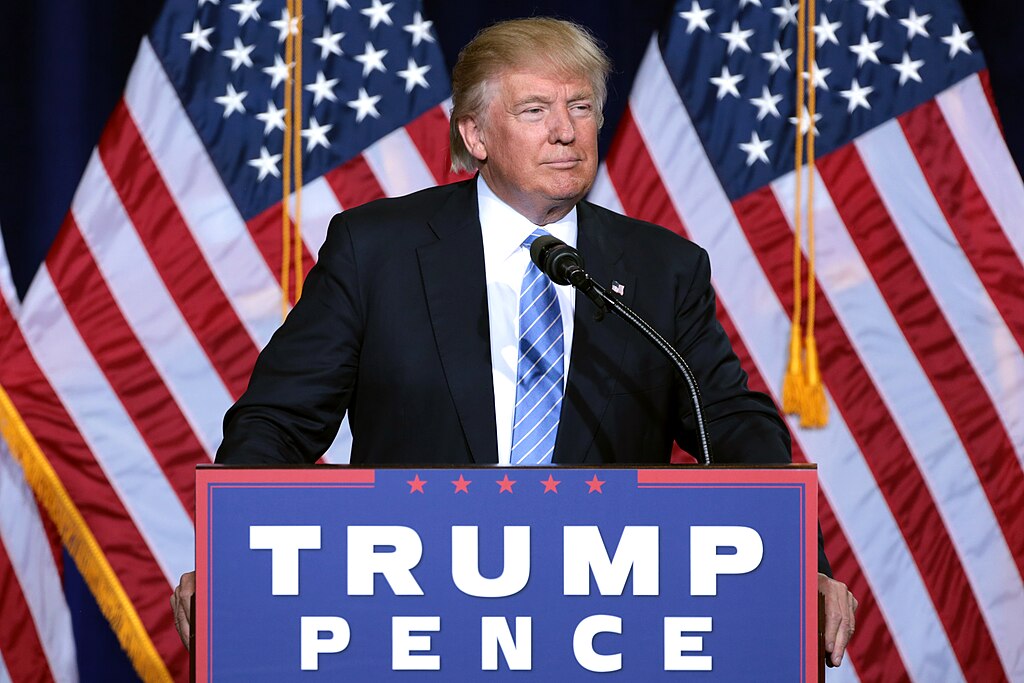
In a dramatic move that has reignited debates across the nation, former President Donald Trump announced he would refuse his presidential salary for the next four years if re-elected. Speaking at a rally, Trump framed his decision as a gesture of commitment to the American people, but critics argue it’s more about optics than substance.
Under U.S. law, presidents are entitled to an annual salary of $400,000. Trump previously declined his salary during his first term, instead donating it to various federal agencies. While his supporters hail the decision as proof of his dedication, detractors label it as little more than a political maneuver designed to bolster his image.
Trump’s History of Declining the Presidential Salary
This announcement is not without precedent. During his first term in office, Trump directed his quarterly paychecks to government programs such as opioid treatment initiatives, military cemeteries, and national parks. This time, Trump pledged to extend the practice for another term, citing his belief in “giving back” to the country.
While some analysts view the move as symbolic, others argue it sets Trump apart from previous presidents who accepted the salary. However, the political landscape in 2024 has significantly shifted, and critics argue that this decision does little to address pressing issues such as economic recovery, healthcare reform, and immigration policy.
Public Reactions: Praise and Skepticism
Trump’s declaration has sparked mixed reactions across social media platforms, with both supporters and critics weighing in.
- @PatriotRising: “This is why we need Trump back. He’s not in it for the money but for the people!”
- @TruthTeller2024: “Refusing a salary doesn’t erase the damage his policies have done. Don’t let the theatrics fool you.”
- @RedStateProud: “The media can’t handle a selfless leader like Trump. This man continues to deliver!”
- @PolicyWatch: “It’s a nice gesture, but it’s just a distraction from real issues Americans face daily.”
- @BlueWave2024: “How about donating to schools and healthcare instead of making empty gestures? This doesn’t impress me.”
- @Voter2024: “He’s setting an example! Career politicians should take note and follow suit.”
Critics Question the Impact of Trump’s Move
While Trump’s decision to forgo his salary garners praise from his supporters, policy experts remain skeptical about its broader implications. They argue that the move does little to tackle systemic challenges or improve transparency within the government. Critics also point to Trump’s business dealings, questioning whether financial interests outside the presidency undermine the gesture’s significance.
Ethics experts have noted that while refusing a salary is legal, it is largely symbolic, as presidents receive other perks such as travel allowances and housing. "This move generates headlines, but the impact is negligible compared to substantial policy reforms," said political analyst Karen Whitman.
Despite the backlash, Trump’s announcement solidifies his image among his base as a leader committed to public service.







