


 EU Gives Crypto Platforms Three Months to Remove USDT Under MiCA Rules
  San Francisco Halts New Data Center Construction With 45-Day Moratorium
  Los Angeles World Cup Security Plans: No ICE Immigration Enforcement at FIFA 2026 Matches, Officials Say
  White House Defends Trump’s FIFA Peace Prize Amid Global Criticism
  Tsai Warns of China’s Sustained Pressure on Taiwan
  Trump Urges Hall of Fame Induction for Roger Clemens Amid Renewed Debate
  US Suspends Microsoft, Adobe From Green Card Program
  Fairshake Backs 32 Pro-Crypto House Candidates
  Iran Refuses to Halt Uranium Enrichment Amid US Nuclear Demands
  Venezuela’s Machado Calls for Elections by July 2027
  Berlin Coalition Talks Advance After Left Party Antisemitism Deal
  Trump Buys Up to $25M in Meta Stock, Invests in SpaceX Debt
  Maduro, Wife May Face New US Torture Charges
  Republican Lawmakers Urge National Guard Role for World Cup Drone Security
  Zelenskiy Slams US Over Deadly Russian Strikes on Ukraine
  Trump Backs Florida Golf Course as Presidential Retreat
  Mexico Bars Dual Citizens From Presidential Races Starting in 2028


 Add as a preferred source on Google
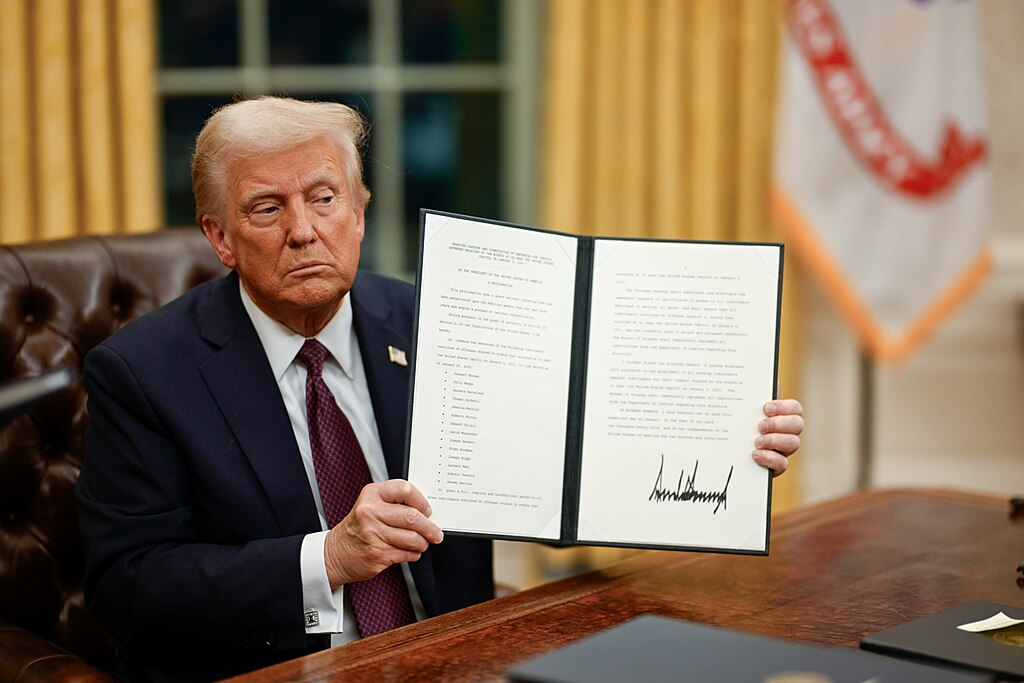
President Donald Trump has signed an executive order introducing federal oversight on large recruiting payments in U.S. college sports, particularly football and men’s basketball. The measure seeks to curb third-party payouts from donors to athletes, aiming to protect funding for women’s and non-revenue sports while clarifying the legal status of student-athletes.
While the National Collegiate Athletic Association (NCAA) already prohibits such payments, donors have exploited loopholes amid the surge in name, image, and likeness (NIL) deals. The White House clarified the order does not restrict fair-market NIL compensation, such as brand endorsements or autograph signings. Federal agencies will now devise enforcement strategies, leveraging regulatory and funding mechanisms, though specific implementation remains uncertain.
The move follows major shifts in college sports since 2021, when the NCAA first allowed NIL monetization. In March 2025, restrictions preventing athletes from negotiating NIL deals before enrollment were lifted after an antitrust settlement with state attorneys general. The White House argues this evolving NIL landscape has created financial instability in college athletics.
Experts anticipate legal challenges, with critics arguing the order may infringe on athletes’ rights under antitrust law. Michael LeRoy, a labor law professor, noted the NCAA’s refusal to recognize athletes as employees or allow collective bargaining as a core issue.
NCAA President Charlie Baker welcomed federal attention, urging bipartisan legislation to address structural threats to college sports. The order is Trump’s latest intervention in athletics, following directives on transgender participation in women’s sports and funding disputes with elite universities.
This executive action could reshape college sports economics, influencing scholarship allocations and the broader NIL market while intensifying debates over amateurism and athlete compensation.







