


 HP Stock Drops 9% Despite Q3 Earnings Beat and Raised 2026 Outlook
  Pentagon Eyes U.S. Troop Cuts in Europe Amid NATO Review
  US Revokes Over 175,000 Visas Under Trump Immigration Crackdown
  Google Changes EU Spam Policy Amid Antitrust Scrutiny
  Countries Tighten Social Media Bans for Children
  SK Biopharmaceuticals Secures Global Rights to Biohaven Epilepsy Drug Opakalim
  SEC Probes Banks Over Situational Awareness Hedge Fund Collapse
  U.S. Probes Apex Logistics Over Nvidia AI Chip Shipments to China
  King Haakon VIII Honors Late Father Harald in First Address
  BofA Names ASML Top Semiconductor Equipment Pick on Growth, Valuation
  U.S. Disrupts China-Linked Hacking Campaign Targeting Government Agencies
  Senate Majority Leader John Thune Moves to Advance Crypto Clarity Act
  The Realist’s Case: Lukas Kerrebijn of RD Dubai on the Narrative Dubai’s Agents Won’t Question
  Nvidia Pauses AI Cloud Financing Deals Amid Antitrust Concerns
  Trump Buys SpaceX Shares After Record IPO
  European Allies Seek to Reassure Pentagon as US Reviews Troop Presence


 Add as a preferred source on Google
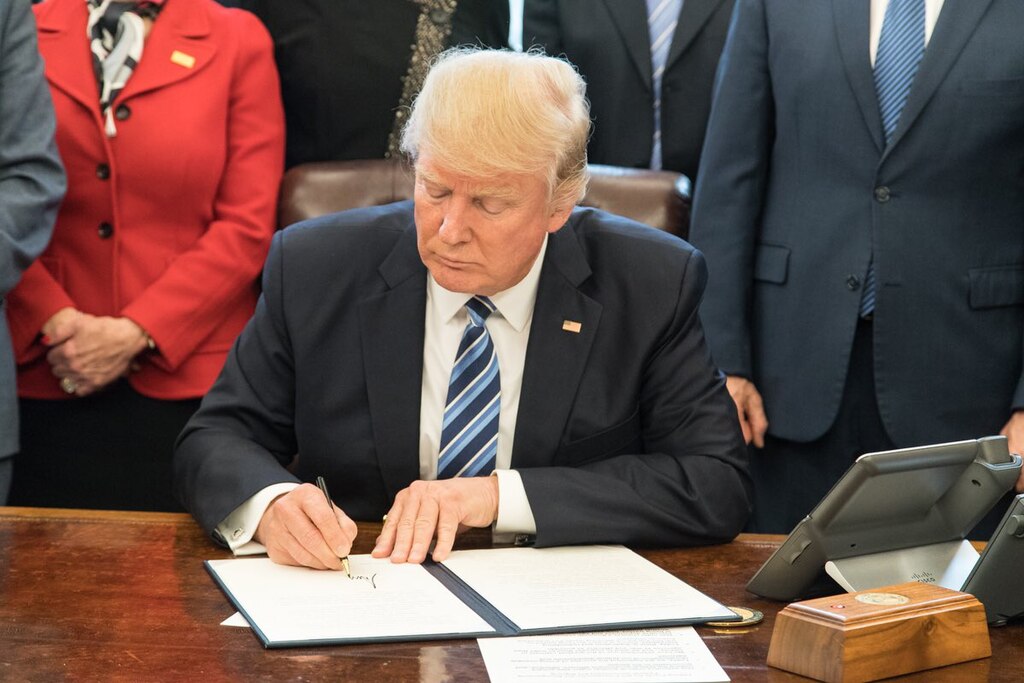
U.S. President Donald Trump has signed an executive order confirming his plan to sell TikTok’s American operations to U.S. and international investors, aiming to meet the national security requirements of the 2024 law that mandates the app’s divestiture. Enforcement of the law, which would otherwise ban TikTok in the U.S., has been postponed until December 16 to allow time for restructuring the deal and securing approval from both American regulators and the Chinese government.
Vice President JD Vance announced that the new U.S.-based TikTok company will be valued at around $14 billion, far below some Wall Street estimates. While ByteDance, TikTok’s Chinese parent, is valued at over $330 billion, analysts such as Wedbush’s Dan Ives estimate TikTok’s worth in the $30 billion to $40 billion range without its key algorithm. Ownership of this algorithm remains one of the most contentious details in the negotiations.
According to sources, a group led by Oracle and Silver Lake will acquire about 50% of TikTok U.S., while existing ByteDance investors such as KKR, General Atlantic, and Susquehanna International Group will hold around 30%. ByteDance itself will retain less than 20% in order to comply with U.S. law, but will still appoint one of seven board members, with the remaining seats controlled by Americans. Other high-profile investors, including Michael Dell and Rupert Murdoch, are also expected to participate.
Trump emphasized that the deal ensures TikTok will remain “American-operated all the way,” while protecting the privacy of its 170 million U.S. users. He credited TikTok with helping him connect with voters, noting his own 15 million followers on the app.
Although the White House has not explained the low $14 billion valuation, investor interest remains strong, with reports indicating additional global partners like Abu Dhabi’s MGX may secure a stake. Lawmakers have urged transparency to guarantee the deal fully severs ties with the Chinese government and safeguards American data.
This sale marks a critical step in resolving one of the most closely watched technology and national security disputes between Washington and Beijing.







