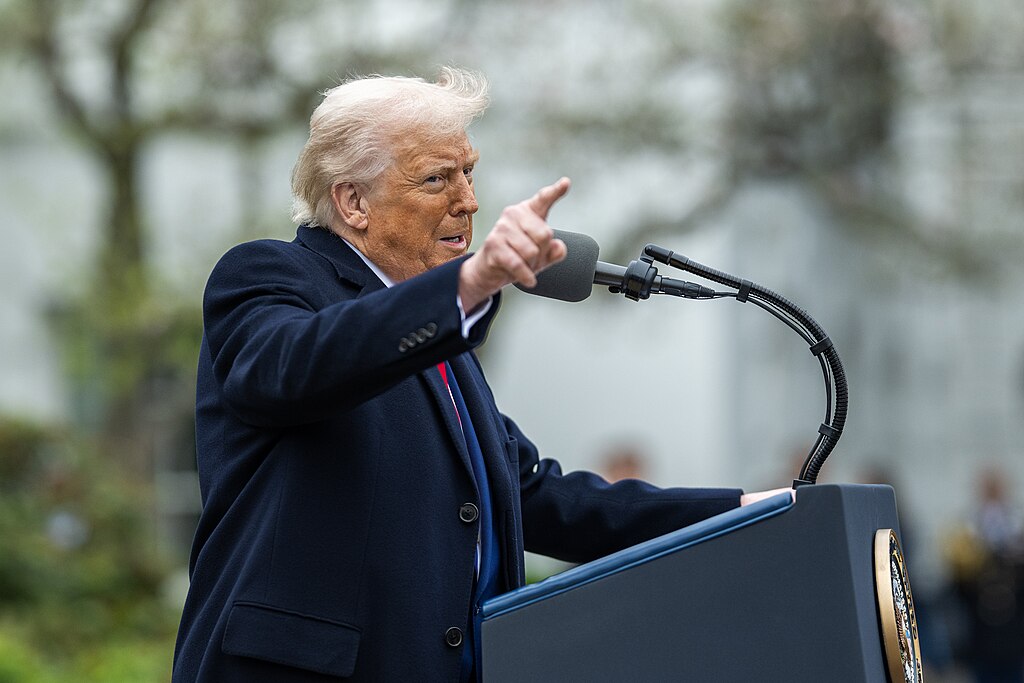
U.S. President Donald Trump on Friday issued a strong warning to Iran, saying the United States would intervene if Iranian authorities violently kill peaceful protesters during the country’s growing wave of unrest. In a post on his Truth Social platform, Trump stated that the U.S. is “locked and loaded and ready to go,” signaling a hardline stance as protests intensify across Iran.
The warning comes as Iran faces its most significant nationwide protests in three years, triggered by severe economic hardship. Demonstrations began earlier in the week when shopkeepers and merchants protested the government’s handling of a sharp currency depreciation and rapidly rising consumer prices. Since then, the unrest has spread to multiple provinces, with clashes reported between protesters and security forces. Several deaths have been confirmed, according to reports, marking a serious escalation in the crisis.
The protests reflect deep frustration over Iran’s worsening economic conditions. Inflation has surged, the national currency has weakened dramatically, and the cost of basic goods has risen beyond the reach of many ordinary citizens. These pressures have fueled public anger, pushing demonstrations beyond economic grievances and into broader challenges against state authority.
Iran’s economic struggles have been ongoing for years, particularly since the United States reimposed sanctions in 2018. Those sanctions followed Trump’s decision during his first term to withdraw from the international nuclear agreement, formally known as the Joint Comprehensive Plan of Action. Since then, Iran’s access to global markets has been severely restricted, contributing to chronic financial instability.
Trump’s latest comments underscore renewed U.S. attention on Iran’s internal situation and human rights record. While no specific actions were outlined, the statement raises concerns about potential geopolitical consequences if the violence escalates further. As protests continue and tensions rise, the international community is closely watching how Iran’s leadership responds and whether external powers, including the United States, will take a more active role.