
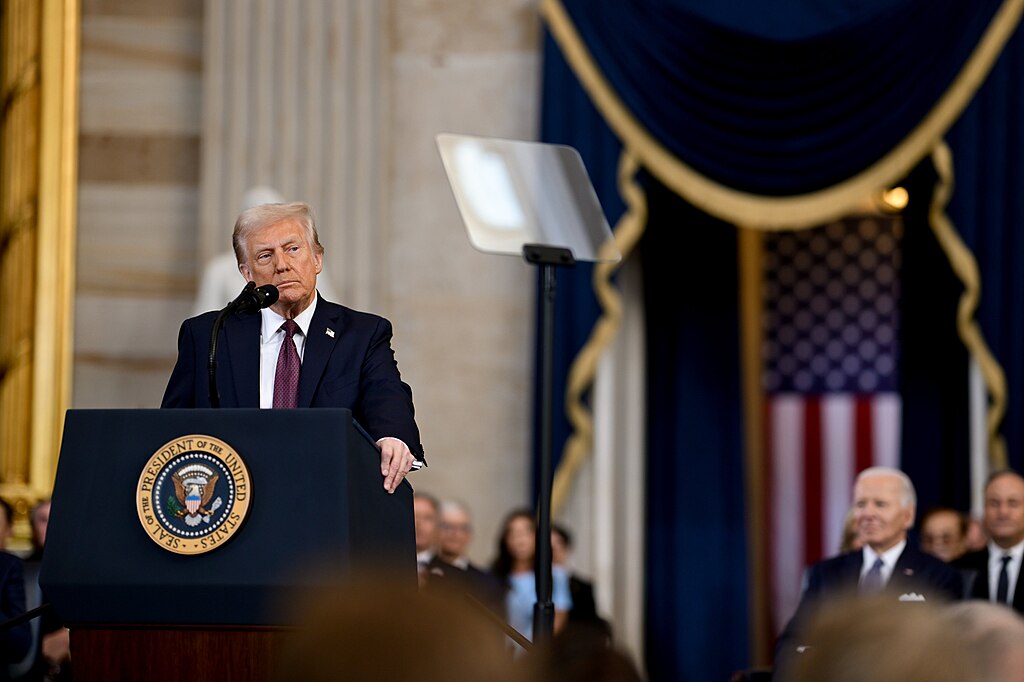
Senate Republicans advanced President Donald Trump’s sweeping tax cut and spending bill in a weekend session, despite a Congressional Budget Office (CBO) estimate warning the legislation could add $3.3 trillion to the U.S. national debt over the next decade. The CBO’s projection is $800 billion higher than the House version passed earlier, raising concerns among fiscal conservatives.
The 940-page bill narrowly cleared a procedural hurdle with a 51-49 vote late Saturday. It includes extensions of Trump’s 2017 tax cuts, new tax reductions, and increased funding for the military and border security. However, the bill’s cost has drawn criticism, especially as Republicans challenge the CBO’s methodology and instead promote alternative budget projections claiming $500 billion in savings.
Democrats slammed the bill for prioritizing tax breaks for the wealthy while threatening cuts to Medicaid, SNAP, and jobs. Senate Minority Leader Chuck Schumer accused Republicans of using “fake math” to disguise the bill’s true cost. Senator Mark Warner warned the bill could strip health coverage from 16 million Americans.
Senator Thom Tillis, one of two Republicans voting against the bill, announced he won’t seek re-election, prompting Trump to celebrate his exit and warn GOP lawmakers not to oppose the bill. Trump pushed for the bill to pass before July 4, calling it a “great, big, beautiful bill” and promising economic growth would offset the cost.
If passed by the Senate, the bill returns to the House for final approval. The legislative push comes ahead of a critical debt ceiling deadline later this summer, raising the stakes for both the economy and midterm elections. Despite internal party friction, GOP leaders are determined to push the bill through amid growing scrutiny over its long-term fiscal impact.


