


 JPMorgan Sees ECB Raising Rates to 2.75% in December
  SEC Proposes ‘Regulation Crypto Assets’ Framework for Crypto Fundraising
  Milei Threatens Falkland Oil Firms With Sanctions
  Trump’s Arlington Arch Project Faces New Court Restrictions
  Trump Orders Reduction in U.S.-South Korea Military Drills, Citing Kim Jong Un Ties
  Israel Strikes Southern Lebanon After Hezbollah Drone Attack
  Trump Signs Order to Cut Routine Childhood Vaccines
  Yen Rebounds as BOJ Rate Hike Bets Rise
  Gold Holds Near $4,400 as Fed Hike Bets Rise
  Trump Imposes New US Tariffs on Drone Imports Over National Security Concerns
  Hong Kong Eyes Offshore Yuan Expansion, Deeper China Market Links


 Add as a preferred source on Google
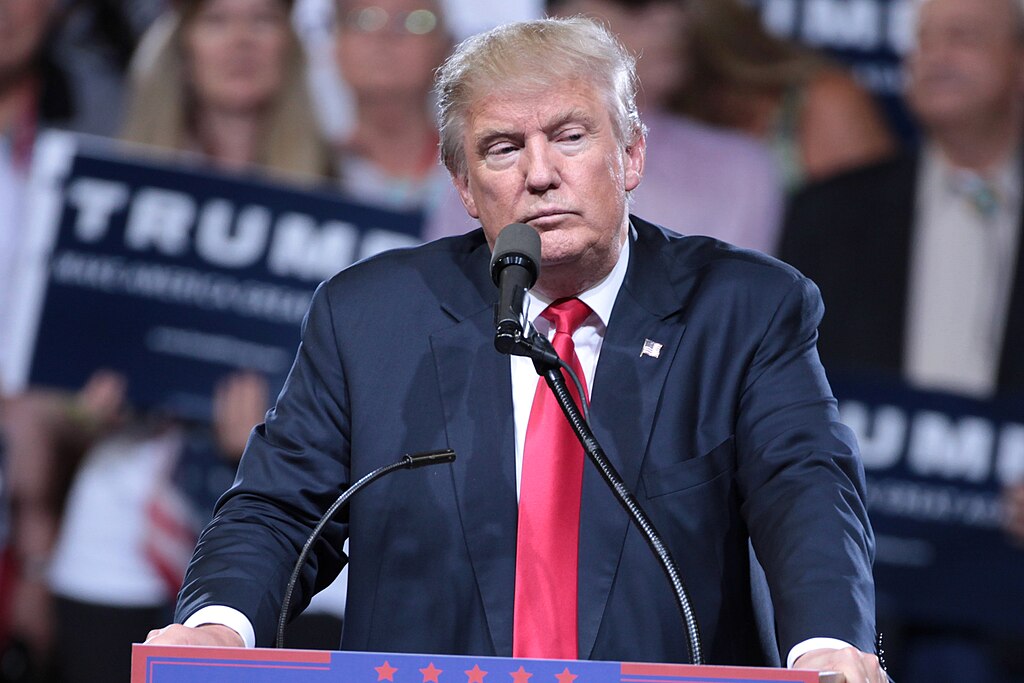
President Trump’s May 12 executive order on drug pricing seeks to implement most-favored-nation (MFN) pricing, pressuring pharmaceutical companies to match the lowest prices charged abroad. The order instructs the Secretary of Health and Human Services (HHS) to engage with drugmakers and, if necessary, propose regulations enforcing MFN benchmarks.
Barclays analysts say the strategy leans on coercing manufacturers to reduce prices. However, they caution the policy could face significant legal and implementation challenges that may weaken its overall impact. Even if manufacturers cut prices, consumers may not see direct savings due to the complex pharmaceutical pricing system involving intermediaries like pharmacy benefit managers, insurers, and pharmacies who could retain the cost reductions.
The order also asks HHS to explore a direct-to-consumer drug purchasing program. Meanwhile, proposed pharmaceutical tariffs could raise import costs, possibly offsetting price cuts and undermining cost-saving efforts.
On inflation, Barclays estimates a 10% drop in consumer drug prices would reduce the year-over-year Consumer Price Index (CPI) by 9 basis points and the Personal Consumption Expenditures (PCE) index by 28 basis points. Yet, the bank notes potential “counter-intuitive” effects, such as increased costs in health insurance, that could raise inflation in other categories.
Despite recent Medicare Part D negotiations securing discounts of 38% to 79% on ten drugs, actual government savings are estimated at just $1.5 to $1.8 billion—far below the $6 billion initially projected.
As the administration pushes for drug pricing reform, experts remain skeptical about the order’s effectiveness, given industry resistance, legal complexity, and the uncertain benefit to consumers at the pharmacy counter.







