
Mark Savaya, who was named by U.S. President Donald Trump as special envoy for Iraq in October, is no longer serving in that role, according to multiple sources familiar with the decision. The reported removal comes at a sensitive moment in U.S.-Iraq relations, as Washington intensifies pressure on Baghdad to limit Iran’s influence in Iraqi politics.
Savaya, a Christian Iraqi-American entrepreneur with close ties to Trump, was one of several Arab Americans appointed to senior positions following Trump’s 2024 presidential campaign, during which he actively courted Arab and Muslim voters in Detroit and across the United States. However, questions quickly arose about Savaya’s qualifications, as he had no prior diplomatic experience and had never officially traveled to Iraq after being named envoy.
Sources indicated that Savaya’s departure may be linked to what was described as the “mishandling” of key political developments, including his alleged failure to block the nomination of former Iraqi prime minister Nouri al-Maliki for another term. Trump had publicly warned Iraqi leaders against reinstating Maliki, accusing him of fueling sectarian tensions and enabling the rise of the Islamic State during his previous tenure.
Although Savaya denied any change in his status, claiming he was still completing administrative procedures to formally assume the position, another source said he never became an employee of the U.S. State Department. Adding to the uncertainty, Savaya abruptly canceled a planned trip to Iraq last week and deactivated his X account, which had previously been active.
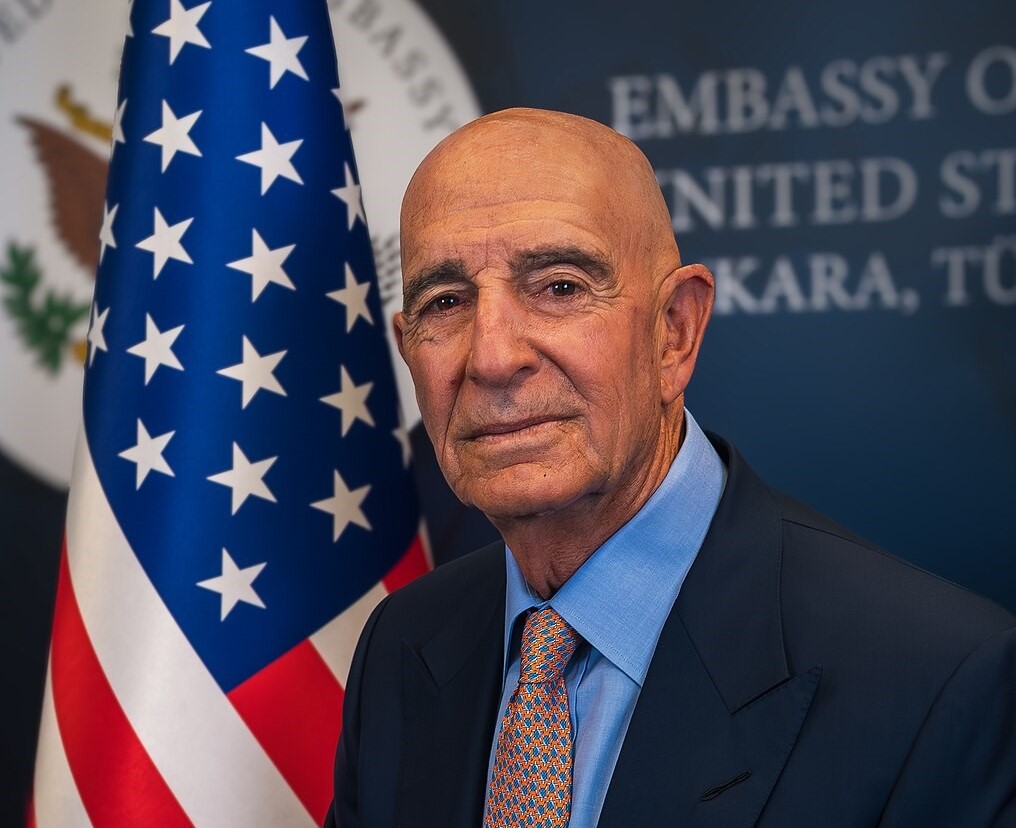
Meanwhile, U.S. Ambassador to Turkey and special envoy to Syria Tom Barrack is believed to be taking over the State Department’s Iraq portfolio, according to both a source and a senior Iraqi official. Neither Barrack’s office nor the White House has confirmed the change.
The shake-up follows Trump’s stark warning that the United States would withdraw support from Iraq if Maliki were reinstated as prime minister. The episode underscores growing tensions between Washington and Baghdad as Iraq continues to balance its relationships with the U.S. and Iran.


