


 Allegro Raises 2026 Outlook as International GMV Surges
  Houthis Seize Bab el-Mandeb as Military Power Grows
  North Korea Vows to Expand Nuclear Arsenal Amid U.S.-Led Military Buildup
  FCC Approves Foreign Investment in $110B Paramount-Warner Bros. Deal
  France Targets Shein, Temu With Fast-Fashion Fees
  US Federal Register Drops Alibaba Qwen AI Search Tool
  U.S. Imposes New Visa Restrictions Over South Africa Policies
  Synthetic data could ease people’s concerns about privacy breaches. But who gets to create it?
  Australia Tightens Student Visa Rules, Targets Migration Cut by 2028
  BHP Port Hedland Wage Dispute Heads to Arbitration
  U.S. Probes Apex Logistics Over Nvidia AI Chip Shipments to China
  Saudi Arabia Shuts East-West Oil Pipeline After Drone Attack
  ICE Agent Arrested in Minneapolis Over Venezuelan Man Shooting
  SoftBank Shares Jump 8% as SB Energy IPO Optimism Builds
  FDA Names Permanent Drug and Biologics Center Chiefs
  MediaTek Unveils 2nm Dimensity 9600 Pro AI Chip
  US-China Experts Push AI Nuclear Safeguards to Prevent Military Escalation


 Add as a preferred source on Google
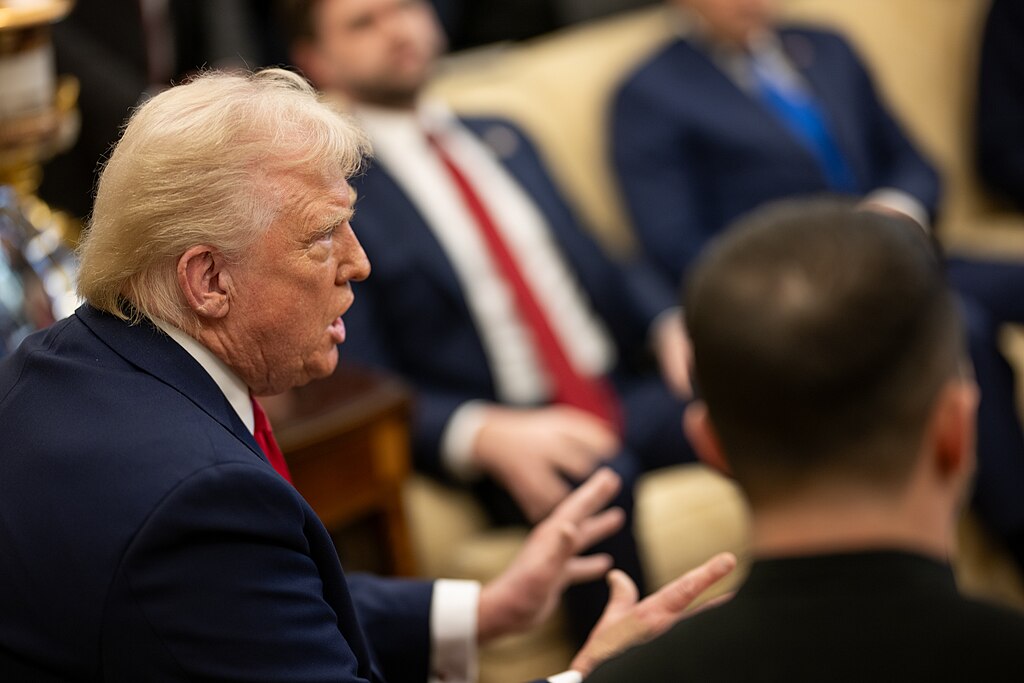
Chaos unfolded over the weekend as H-1B visa holders from India and China rushed back to the United States after President Donald Trump announced steep new fees on the visa program. The move, part of his broader immigration crackdown, caused confusion among foreign tech workers and global companies.
Tech giants including Microsoft, Amazon, Alphabet, and Goldman Sachs sent urgent memos advising employees not to leave the country and, in some cases, to return immediately. Passengers at San Francisco International Airport deplaned flights after receiving alerts from employers. One engineer said his wife, also an H-1B holder, still chose to fly to India to care for her sick mother despite the uncertainty.
On Chinese social media platform Rednote, many H-1B holders shared stories of cutting vacations short and canceling trips. “It feels surreal, everything is changing in an instant,” said a Nvidia engineer who rushed back from Japan.
Initial panic was fueled by fears that existing visa holders would be barred from re-entry. The White House later clarified that the rule only applied to new applicants, easing some of the tension. Amazon even told staff no immediate action was required.
Still, Trump’s proclamation emphasized that the H-1B program has been exploited to suppress wages, while supporters argue it brings critical talent to the U.S. workforce. Commerce Secretary Howard Lutnick said companies would pay $100,000 per visa, though officials clarified it was a one-time fee.
Industry leaders remain divided. Netflix Chairman Reed Hastings welcomed the change, saying it could replace the lottery system with greater certainty. Critics, however, see it as part of Trump’s protectionist agenda that threatens America’s reputation as a hub for global talent.
The sudden policy shift left many workers shaken, underscoring the uncertainty surrounding U.S. immigration under Trump’s administration.







