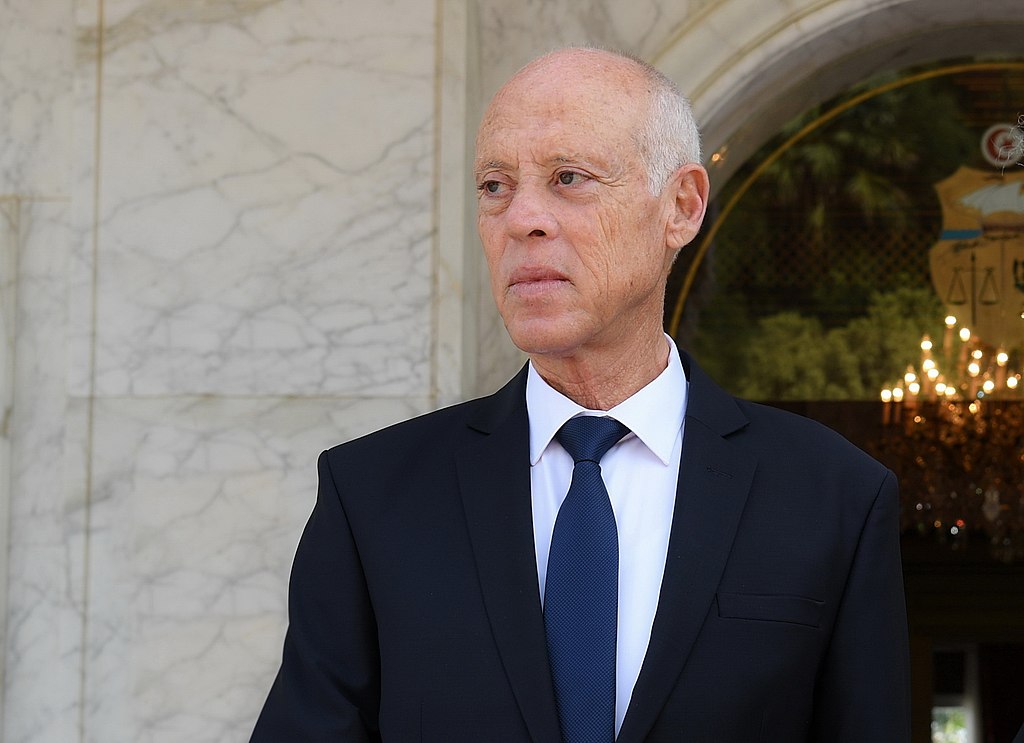
Tunisian police arrested prominent opposition leader Chaima Issa during a protest in central Tunis, enforcing a 20-year prison sentence issued by an appeals court. Issa, a well-known critic of President Kais Saied, was detained shortly after calling for united demonstrations against what many describe as an increasingly authoritarian government.
Her arrest followed a court ruling that handed prison terms ranging from five to 45 years to more than 40 political figures, business leaders, and lawyers accused of conspiring to overthrow Saied. Rights groups and political observers say the charges are politically motivated, marking one of the most sweeping crackdowns on dissent since Saied assumed extraordinary powers in 2021. Many of those convicted, including 20 tried in absentia, have already fled the country.
Before being taken into custody, Issa urged Tunisians to continue resisting what she called tyranny. She emphasized that the opposition’s sacrifices were made to defend democratic freedoms. Her message echoed the sentiments of other opposition figures at the rally, including Ayachi Hammami, who received a five-year sentence, and Najib Chebbi, head of the National Salvation Front, who was sentenced to 12 years and is also expected to be arrested.
Chebbi called for unity among Tunisia’s fragmented opposition groups, arguing that only a collective effort could restore political freedoms. Hammami voiced similar determination, expressing hope that young Tunisians would expand protests until authorities reconsider their actions or face the will of the people.
President Saied maintains that he is targeting corrupt individuals, traitors, and foreign-funded groups interfering in national affairs. However, human rights organizations such as Human Rights Watch and Amnesty International condemned the mass sentences and demanded their immediate annulment. They warn that the escalating crackdown has already led to the arrests of journalists, activists, and the suspension of independent NGOs, deepening concerns about the future of democracy in Tunisia.