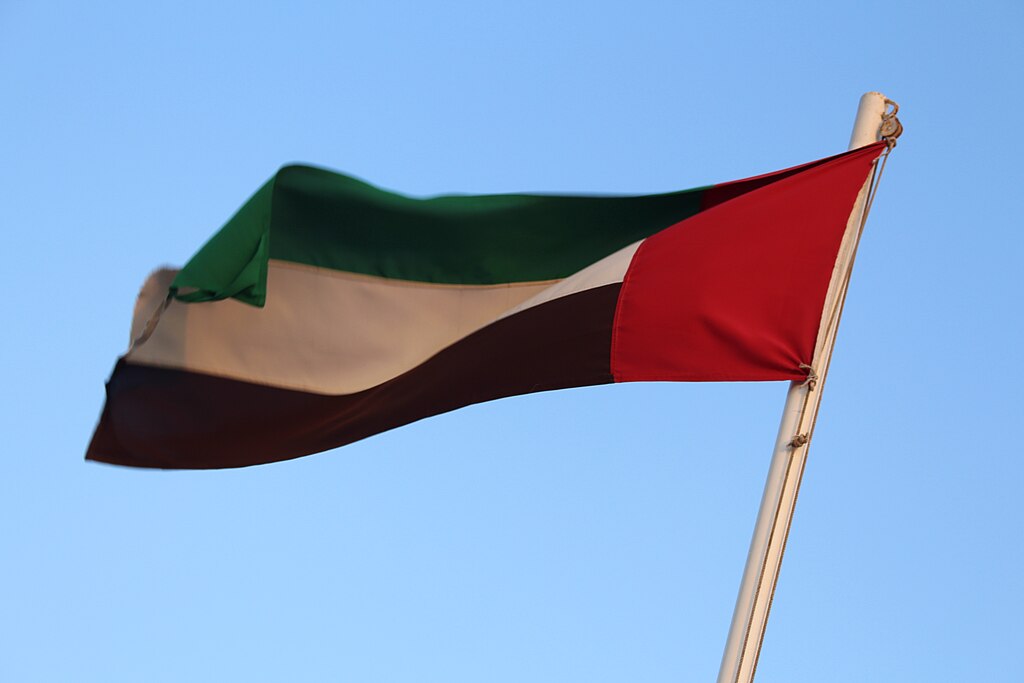
The United Arab Emirates has expressed deep concern over the rapidly escalating situation in Yemen after Saudi-backed government forces moved into territories that were seized last month by UAE-backed southern separatists. The developments mark one of the most serious rifts in years between the two Gulf allies and threaten to further destabilize Yemen, which has already endured more than a decade of conflict.
In a statement issued on Saturday, the UAE urged all Yemeni parties to exercise restraint and prioritize dialogue to protect security and stability. The comments came shortly after the Southern Transitional Council (STC), which is backed by the UAE, announced plans to hold a referendum on independence within two years. The announcement followed the loss of key areas that the STC had abruptly taken control of in recent weeks.
Saudi-backed forces reported on Friday that they had secured strategic locations in Hadramout, a vast province bordering Saudi Arabia, and witnesses confirmed their entry into parts of the provincial capital, Mukalla, on Saturday. Hadramout holds significant strategic value due to its size, resources, and proximity to vital regional trade routes near the Bab al-Mandeb strait.
Yemen’s internationally recognized government, led by Presidential Council chief Rashad al-Alimi, has called for Saudi Arabia to host a forum aimed at resolving the southern issue. Al-Alimi expressed hope that such talks would unify southern factions and prevent further fragmentation. The government leadership, which had been operating from Aden and included STC ministers, relocated to Saudi Arabia after the separatist advances were viewed as a direct security threat.
The crisis has exposed long-simmering differences between Saudi Arabia and the UAE over regional security priorities. Earlier this week, Saudi Arabia carried out airstrikes on a base in Hadramout and demanded the withdrawal of remaining UAE forces from Yemen, a request that Abu Dhabi said it had complied with.
As tensions rise, analysts warn that the feud could have broader regional implications, potentially influencing cooperation in areas such as energy policy, with both countries scheduled to participate in an upcoming OPEC meeting. The STC’s renewed push for a two-year transition toward southern independence underscores the growing uncertainty surrounding Yemen’s future and the fragile balance among its regional backers.