


 Djibouti Migrant Boat Capsizes, Killing 139 and Leaving 84 Missing
  US Condemns China Sanctions on Taiwan Allies Belize and Paraguay
  Kim Jong Un Showcases ICBM Ahead of Possible Trump Meeting
  Pakistan Declares Emergency in Khyber Pakhtunkhwa, Suspends Imran Khan’s PTI Government
  Zelenskiy Seeks New US Talks to Revive Ukraine-Russia Peace Negotiations
  North Korea Fires Ballistic Missiles Amid Rising Tensions With South Korea
  Trump Plans White House Shake-Up of Key AI Safety Agency
  Elon Musk Donates $366 Million to 2026 US Midterms
  India Voter List Protests Reach Supreme Court as Opposition Demands Election Chief's Resignation
  MI5 Warns of Rising Iran, Russia Threats and AI Bioweapon Risks
  Brazil Election: Lula and Bolsonaro Rally Ahead of October 25 Runoff
  Flavio Bolsonaro Backs Brazil’s 40-Hour Workweek Reform Ahead of Runoff
  European Auto Stocks Rise as EU-China Trade Deal Targets Hybrid Imports
  Zelenskiy Says Ukraine Received No Warning Before Russian Missile Attack
  US Recalls Nicaragua Envoy After Ambassador Rejection
  NATO Commander Warns Russia of Devastating Response to Attack
  Trump Sanctions International Criminal Court, Sparking EU Backlash


 Add as a preferred source on Google
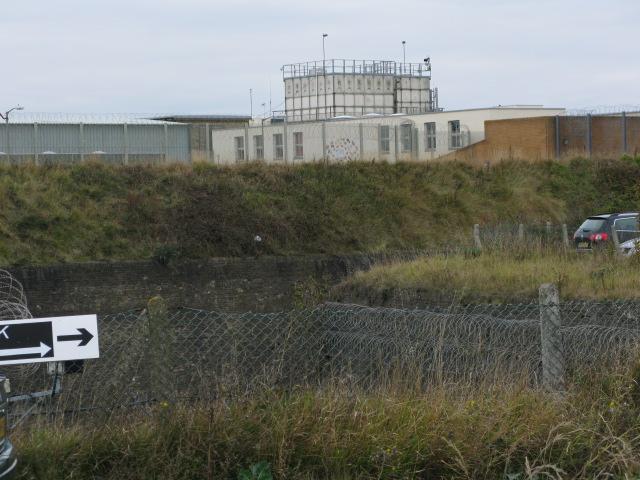
The British police said the firebomb attack on an immigration center in Dover last week was a “terrorist” incident motivated by extreme right-wing ideology. This comes as immigration has been a divisive issue in the country.
The Counter Terrorism Policing South East issued a statement Saturday on the petrol bomb attack on the immigration center in Dover. The blast took place on October 30 by 66-year-old Andrew Leak, who was found dead at a nearby service station shortly after the attack. Leak apparently acted alone, according to the group.
“Counter Terrorism Policing South East..have recovered evidence that indicates the attack at an immigration center in Dover on Sunday, 30 October 2022, was motivated by a terrorist ideology,” said the statement. “There is currently nothing to suggest the offender was working alongside anyone else and there is not believed to be any wider threat to the public.”
There was also a strong indication that “mental health was likely a factor” and that the assailant’s actions were fueled by extremist ideology, meeting the “threshold for a terrorist incident,” according to CTPSE senior national coordinator Tim Jacques.
The incident comes amidst the heated issue of immigration in the country. This year, an unprecedented 38,000 people made the journey of crossing the English Channel as of October 26.
Prime Minister Rishi Sunak said that the United Kingdom is a compassionate and welcoming place for those seeking asylum, but it will depend on whether the country can effectively police its borders.
Sunak took office last month, succeeding Liz Truss after a short tenure, and it appears that Sunak has reversed another move planned by his predecessor to move the UK embassy into Jerusalem.A spokesperson for Sunak said last week that the UK has no plans to move its embassy in Israel to Jerusalem.
The British embassy has long been located in Tel Aviv, where most countries have their diplomatic bases even as Israel has designated Jerusalem as its capital. Jerusalem has been at the center of the long-running tensions between Israel and Palestine, and the international community has opposed recognizing Jerusalem as Israel’s capital until the conflict has been resolved.







