


 US Authorities Raid Ilhan Omar’s Home Amid Immigration Fraud Probe
  Zelenskiy Seeks New US Talks to Revive Ukraine-Russia Peace Negotiations
  US Recalls Nicaragua Envoy After Ambassador Rejection
  Trump Plans White House Shake-Up of Key AI Safety Agency
  Jordan Bardella Antisemitism Allegations Threaten Le Pen’s Campaign
  Zelenskiy Says Ukraine Received No Warning Before Russian Missile Attack
  Trump Denies China, Russia Are Helping Iran in War
  Trump Denies Russia and China Are Helping Iran in U.S. Conflict
  Trump Defends Russian Diesel Deal Amid US Sanctions Backlash
  US Condemns China Sanctions on Taiwan Allies Belize and Paraguay
  Trump Sanctions International Criminal Court, Sparking EU Backlash
  US Senate Midterms 2026: Key Races That Could Flip Control
  Kim Jong Un Showcases ICBM Ahead of Possible Trump Meeting
  Trump Warns Houthis Over Attacks, Considers Erdogan Intervention
  North Korea Fires Ballistic Missiles Amid Rising Tensions With South Korea
  Pakistan Declares Emergency in Khyber Pakhtunkhwa, Suspends Imran Khan’s PTI Government
  Greenland Lawmakers Back Trump Security Deal Despite Economic Concerns


 Add as a preferred source on Google
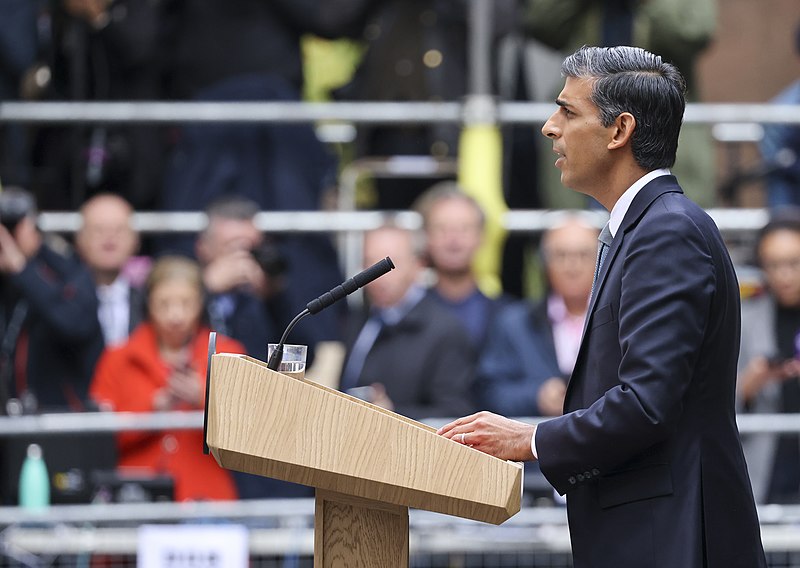
The British government announced that it would be delaying the fiscal statement by more than two weeks. The fiscal statement would instead be introduced on November 17.
British finance minister Jeremy Hunt, who was reappointed for the position by Prime Minister Rishi Sunak, said Wednesday the fiscal statement by the government would be delayed to November 17 instead. Hunt said the delay was out of the need to make sure that the plan would reflect the latest and most accurate economic predictions.
“Our number one priority is economic stability and restoring confidence that the United Kingdom is a country that pays its way,” said Hunt, adding that the fiscal plan under Sunak’s administration would now be a “full autumn statement” and would show debt falling over the medium term.
Hunt also said he discussed delaying the fiscal statement with the Bank of England Governor Andrew Bailey and that the central bank chief “understood” the reasons behind the decision to delay. The Bank of England is set to announce its interest rate decision by November 3.
“I’m willing to make choices that are politically embarrassing if they’re the right thing to do for the country if they’re in the national interest,” said Hunt. “We have a new prime minister, the prospect of the much longer term stability for the economy and the country. In that context, a short two-and-a-half week delay is the best way we will make sure that it is the right decision we make.”
Sunak won the leadership race this week, replacing Liz Truss, who resigned the week before after more than a month in office following the intense backlash over her economic plan. Sunak is also the country’s third prime minister this year, as Boris Johnson resigned back in July.
The prime minister’s spokesman also said Wednesday that Sunak wants to see a drop in net migration, as stated in the governing Conservative Party’s election manifesto back in 2019.
The spokesman said that the government’s planned legislation to scrap out some post-Brexit trade rules with for Northern Ireland would push through to parliament as talks continue with the European Union.







