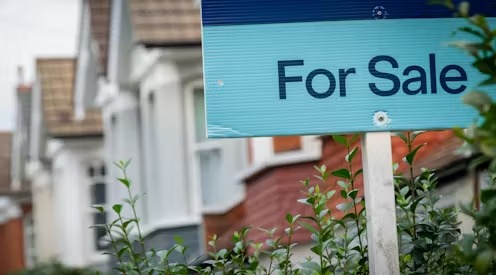
Asking prices for British homes recorded their strongest rise ever for the Christmas and New Year period, according to new data from property portal Rightmove, signaling a tentative recovery in the UK housing market after months of uncertainty linked to Chancellor Rachel Reeves’ budget.
Rightmove reported that average asking prices for newly listed homes increased by 2.8% month-on-month in the four weeks to January 10. This marked the largest monthly increase since 2015 and followed a 1.8% decline in the previous four-week period, when concerns over potential tax changes weighed heavily on buyer and seller confidence. Despite the recent rebound, asking prices are only 0.5% higher than a year earlier, highlighting that overall price growth remains modest.
The renewed optimism aligns with findings from the Royal Institution of Chartered Surveyors, which said last week that market expectations had started to improve following Reeves’ November 26 tax and spending statement. That budget included £26 billion ($35 billion) in tax increases, though most measures were delayed and income tax rates were left unchanged, easing fears that had unsettled the property market during the autumn.
Colleen Babcock, a property expert at Rightmove, said the data points to a positive start to the year. She noted that sellers appear more confident about listing homes at higher prices after several months of stagnation. However, she cautioned that current asking prices have merely returned to levels seen in summer 2025, before budget speculation began to dampen market sentiment.
In addition to rising prices, Rightmove highlighted a significant increase in housing supply. The number of homes available for sale is at its highest level for this time of year since 2014, offering buyers more choice and potentially helping to keep price growth in check.
Overall, the latest Rightmove house price index suggests a cautiously improving outlook for the UK housing market, supported by stabilizing policy expectations, renewed seller confidence, and a healthier balance between supply and demand as 2026 begins.