


 Trump Announces Russia-Ukraine Energy Ceasefire as Zelenskiy Awaits Details
  UK Finance Minister Healey Calls for Fiscal Discipline Amid Global Risks
  NATO Commander Warns Russia of Devastating Response to Attack
  Mahmoud Abbas Postpones Palestinian Elections to September 2027
  Yandex Data Center Hit by Drone Strike as Russia-Ukraine Cyber Infrastructure Attacks Escalate
  Kim Jong Un Showcases ICBM Ahead of Possible Trump Meeting
  Houthis Warn Saudi Airports After Deadly Riyadh Attack
  Elon Musk Donates $366 Million to 2026 US Midterms
  US Condemns China Sanctions on Taiwan Allies Belize and Paraguay
  Pakistan Declares Emergency in Khyber Pakhtunkhwa, Suspends Imran Khan’s PTI Government
  Trump Announces Russia-Ukraine Energy Ceasefire Amid U.S. Pressure on Kyiv
  North Korea Fires Ballistic Missiles as Tensions With South Korea Escalate
  Zelenskiy Offers Russia Energy Truce Amid Trump Pressure
  Most Americans Oppose Election Betting on Prediction Markets, Poll Finds
  Djibouti Migrant Boat Capsizes, Killing 139 and Leaving 84 Missing
  US Authorities Raid Ilhan Omar’s Home Amid Immigration Fraud Probe
  India Voter List Protests Reach Supreme Court as Opposition Demands Election Chief's Resignation


 Add as a preferred source on Google
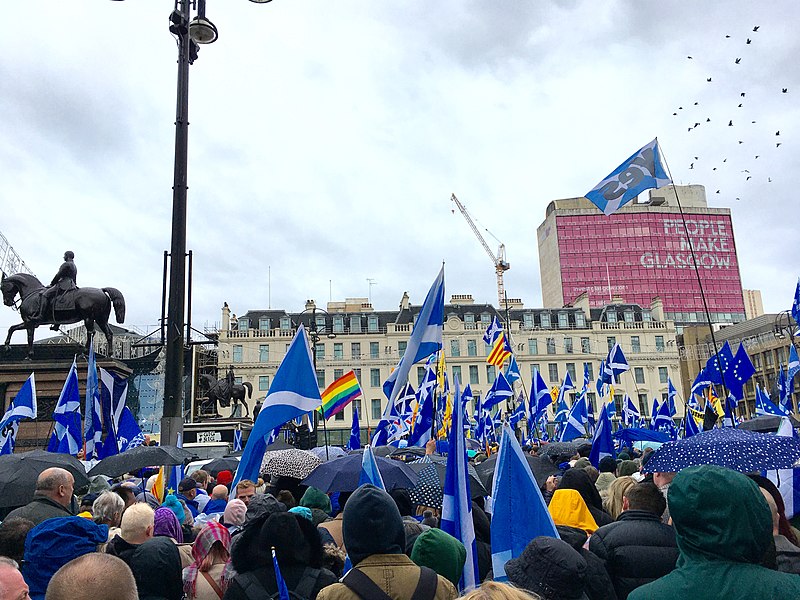
The British Supreme Court rejected a bid by Scotland to hold an independence referendum next year. The high court ruled that the Scottish government could not hold a referendum without approval by the British government.
The United Kingdom’s Supreme Court ruled against Scottish nationalists when it rejected a bid by the Scottish government to hold an independence referendum next year, saying that it would need the approval of the British government to do so. The British government has previously said that such a referendum only be held once in a generation, citing the 2014 referendum in which the majority of Scots rejected the over three-century-old union with England.
“The Scottish Parliament does not have the power to legislate for a referendum on Scottish independence,” said UK Supreme Court President Robert Reed.
During the 2014 referendum, Scots voted 55 to 45 opposing independence. However, those in support of independence have argued that the decision by the UK to leave the European Union in 2016 changed the circumstances. Polls found that voters are split between whether or not they support independence and that a vote would be too close to call.
Following the ruling that was made on Wednesday, Scottish First Minister Nicola Sturgeon said that she was disappointed but would respect the high court’s decision.
“A law that doesn’t allow Scotland to choose our own future without Westminster consent exposes as myth any notion of the UK as a voluntary partnership and makes case for Indy,” said Sturgeon. “Scottish democracy will not be denied. Today’s ruling blocks one route to Scotland’s voice being heard on independence – but in a democracy, our voice cannot and will not be silenced.”
Sturgeon also said that the next national election would also be an effective referendum on Scottish independence.
“We must and will find another democratic, lawful, and constitutional means by which the Scottish people can express their will,” Sturgeon told reporters on the same day.
Sturgeon said that in the next national election, which will take place in 2024, the pro-independence Scottish Nationalist Party will be seeking to shore support from the majority on Scotland’s independence.







