


 Trump Defends Russian Diesel Deal Amid US Sanctions Backlash
  Zelenskiy Says Ukraine Received No Warning Before Russian Missile Attack
  Trump Denies Russia and China Are Helping Iran in U.S. Conflict
  Panama Declares Emergency After 7.7 Earthquake Triggers 200 Aftershocks
  MI5 Warns of Rising Iran, Russia Threats and AI Bioweapon Risks
  Greenland Lawmakers Back Trump Security Deal Despite Economic Concerns
  Djibouti Migrant Boat Capsizes, Killing 139 and Leaving 84 Missing
  India Voter List Protests Reach Supreme Court as Opposition Demands Election Chief's Resignation
  Trump Plans White House Shake-Up of Key AI Safety Agency
  US Senate Midterms 2026: Key Races That Could Flip Control
  Elon Musk Donates $366 Million to 2026 US Midterms
  Kim Jong Un Showcases ICBM Ahead of Possible Trump Meeting
  Mahmoud Abbas Postpones Palestinian Elections to September 2027
  North Korea Fires Ballistic Missiles Amid Rising Tensions With South Korea
  European Auto Stocks Rise as EU-China Trade Deal Targets Hybrid Imports
  Jordan Bardella Antisemitism Allegations Threaten Le Pen’s Campaign


 Add as a preferred source on Google
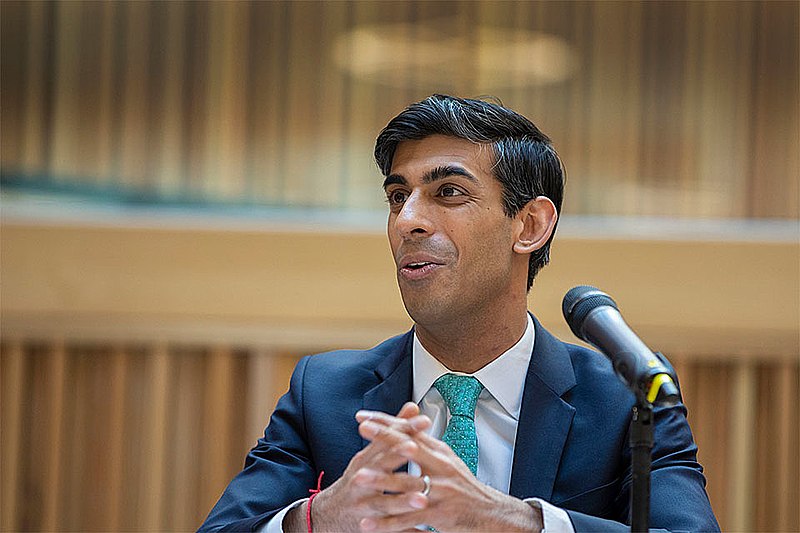
The new British Prime Minister, Rishi Sunak, pledged to lead the country out of the economic crisis and rebuild the public’s trust in its politics. Sunak won the leadership race, replacing Liz Truss, who served 44 days in office.
In remarks outside the Downing Street residence Tuesday, Sunak pledged to lead the country out of the economic crisis that it is facing, praising his predecessor’s ambition while acknowledging that there are flaws. Sunak also said he plans to unite the country and is expected to appoint cabinet members from all factions of the party to put an end to internal conflict and abrupt policy changes.
“I have been elected as leader of my party and your prime minister, in part to fix them,” said Sunak. “I understand too, that I have work to do to restore trust after all that has happened. All I can say is that I am not daunted. I know the high office I have accepted and I hope to live up to its demands.”
Sunak reappointed Jeremy Hunt as finance minister in an effort to calm down financial markets following the backlash to the economic plan proposed by Truss. Dominic Raab was also reappointed as deputy prime minister, James Cleverly as foreign minister, and Ben Wallace as defense minister. Penny Mordaunt also retained her post as the leader of the House of Commons.
Sunak is expected to cut public spending and review all spending on politically sensitive areas such as health, education, defense, welfare, and pensions. However, as the Conservative Party’s support continues to drop, Sunak will face growing calls for an election should he scrap out many of the campaign promises made by the party that won them the election in 2019.
Sunak spoke on the phone with US President Joe Biden, with both leaders reaffirming relations Washington has with the United Kingdom, according to a statement from the White House.
Biden and Sunak also agreed on the importance of continuously supporting Ukraine in the war, as well as the importance of working together to face the challenges posed by China along with efforts to obtain sustainable and affordable energy resources.







