


 Djibouti Migrant Boat Capsizes, Killing 139 and Leaving 84 Missing
  Jordan Bardella Antisemitism Allegations Threaten Le Pen’s Campaign
  NATO Commander Warns Russia of Devastating Response to Attack
  MI5 Warns of Rising Iran, Russia Threats and AI Bioweapon Risks
  Flavio Bolsonaro Backs Brazil’s 40-Hour Workweek Reform Ahead of Runoff
  Most Americans Oppose Election Betting on Prediction Markets, Poll Finds
  US Condemns China Sanctions on Taiwan Allies Belize and Paraguay
  US Authorities Raid Ilhan Omar’s Home Amid Immigration Fraud Probe
  Pakistan Declares Emergency in Khyber Pakhtunkhwa, Suspends Imran Khan’s PTI Government
  Zelenskiy Seeks New US Talks to Revive Ukraine-Russia Peace Negotiations
  India Voter List Protests Reach Supreme Court as Opposition Demands Election Chief's Resignation
  Trump Plans White House Shake-Up of Key AI Safety Agency
  Trump Sanctions International Criminal Court, Sparking EU Backlash
  Trump Denies Russia and China Are Helping Iran in U.S. Conflict
  Trump Defends Russian Diesel Deal Amid US Sanctions Backlash
  Kim Jong Un Showcases ICBM Ahead of Possible Trump Meeting
  Panama Declares Emergency After 7.7 Earthquake Triggers 200 Aftershocks


 Add as a preferred source on Google
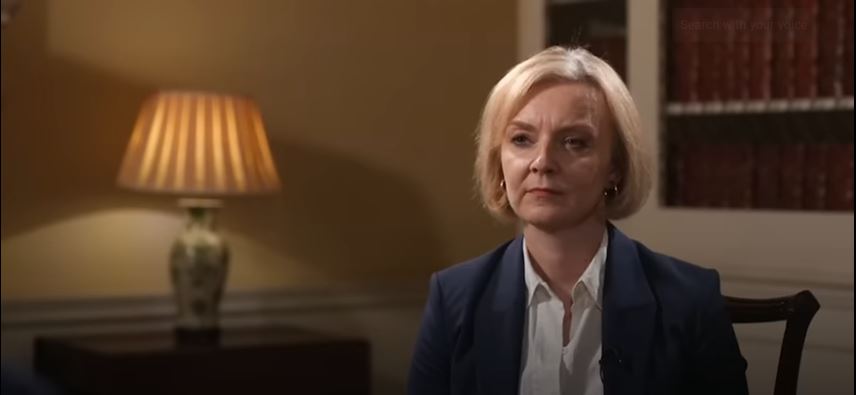
British Prime Minister Liz Truss issued an apology this week for the impact her economic plan has made on the country’s economic stability. This follows the backlash her government has faced over her tax and public spending-cutting plans.
Truss apologized Monday for “going too far and too fast” on her economic plan to restore economic growth to the country. The financial markets are still in turmoil following the “mini-budget” that was introduced on September 23, even as Truss’s new finance minister Jeremy Hunt scrapped most of the tax cuts she proposed.
“I do want to accept responsibility and say sorry for the mistakes that have been made,” Truss told BBC. “I wanted to act to help people with their energy bills, to deal with the issue of high taxes, but we went too far and too fast.”
It remains to be seen whether Truss’s apology would be welcomed by those within her Conservative Party that have criticized her plan, as several lawmakers are now calling for her resignation. Dozens have also raised concerns that they may be dismissed from their posts in the next election.
One of Truss’s own ministers has also warned that she no longer has room for error which may pose a challenge to her government as it is becoming more likely that the recession may worsen. Hunt has previously declined to guarantee budgets for ministries, including health and defense.
A new opinion poll by YouGov also appeared to indicate that Conservative Party members that backed her are now having second thoughts. The poll showed more than half of the members who answered the polls were in favor of Truss’s resignation, while a third wanted Truss to be replaced by her predecessor Boris Johnson.
British foreign secretary James Cleverly also warned against another election for prime minister, saying that it would not help stabilize the financial markets.
“What I’m not convinced by, far far from convinced by, is that going through another leadership campaign, defenestrating another prime minister, will either convince the British people that we’re thinking about them rather than ourselves to convince the markets to stay calm,” Cleverly told Sky News.







