The UK was the hardest hit by Covid-19 among major economies in the second quarter, with its 20.4 percent contraction was well above the 9.8 percent drop for the 37 Organisation for Economic Co-operation and Development (OECD) members.
The country's economy suffered its biggest slump on record over the three months, pushing it officially into recession.
Spain was the second worst-hit, with an 18.5 percent decline.
The OECD suffered its worst decline in the April to June period, far surpassing the 2.3 percent drop in the first three months of 2009, at the height of the financial crisis.
Among other G7 nations, France suffered a second-quarter GDP decline of 13.8 percent, while Italy, Canada, and Germany suffered drops of 12.4, 12, and 9.7 percent.
The G7 group suffered a contraction of 10.9 percent, while the eurozone saw a 12.1 percent drop.
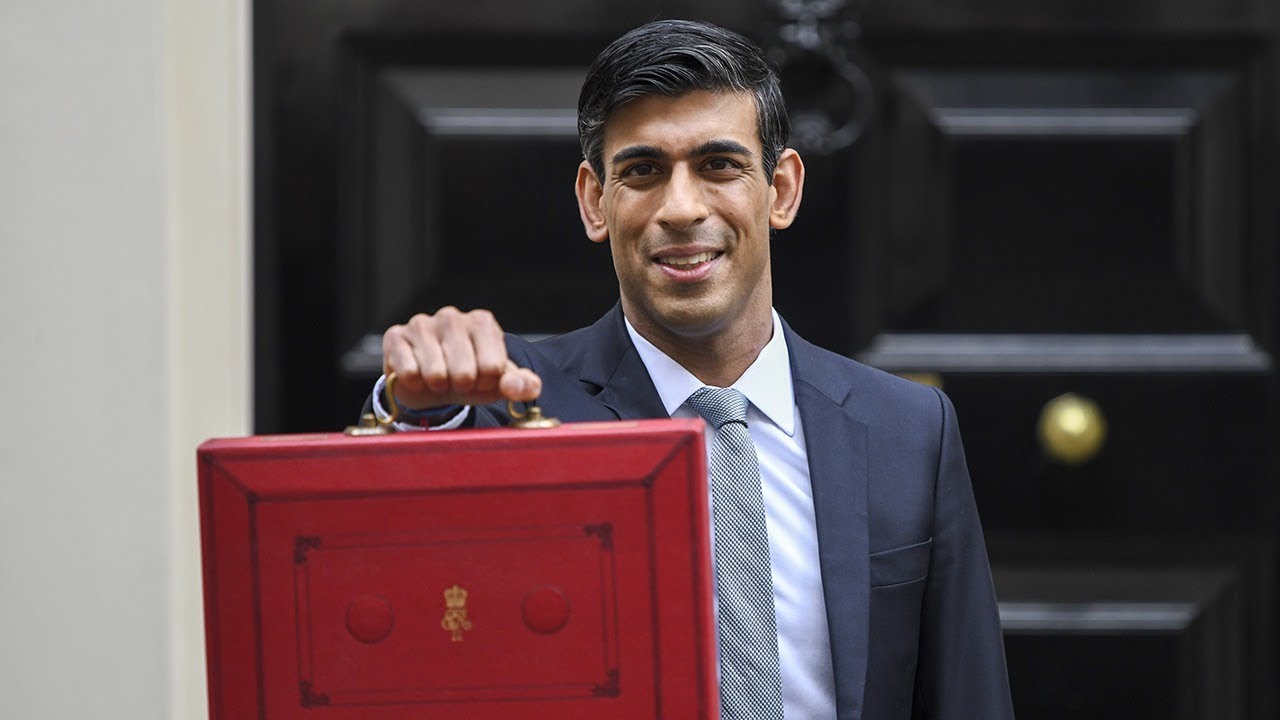
When the UK published its second-quarter GDP figures earlier this month, Chancellor Rishi Sunak said the UK performed worse than EU members as it was focused on hospitality, services, and consumer spending.
But shadow chancellor Anneliese Dodds blamed Prime Minister Boris Johnson for the scale of the economic decline, saying: "A downturn was inevitable after lockdown - but Johnson's jobs crisis wasn't."
As restrictions have been eased, retail spending in the UK is back to pre-crisis levels but other sectors continue to struggle.
Economists expect the UK economy to take a couple of years to get fully back on track.