


 Thomson Reuters C-Track Cyberattack Hits Courts Across U.S. and Canada
  Xiaomi Shares Jump on Europe EV Expansion Plan
  Faraday Future Delivers First Robots in Middle East, Plans September Launches
  Pinterest Stock Falls as CFO Julia Brau Donnelly Resigns
  US Tech Giants’ AI Bond Boom Raises Euro Zone Borrowing Risks
  Texas Republicans Turn Against AI Data Centers as Election Backlash Grows
  Lenovo Shares Fall After Dropbox Security Breach Exposes ID Vulnerability
  Brazil Warns EU of Retaliation Over Animal Products Ban
  SpaceX Mobile Network Could Cost Up to $130 Billion, Bernstein Says
  Anthropic IPO Marketing Expected to Start in Mid-October
  SEC Sues Former Tricolor Executives Over $1.9 Billion Investor Fraud Scheme
  South Korea, US Discuss Chip Investments Amid Tariff Plans
  US Tightens Cuba Sanctions, Targets Officials and State Entities
  FCC Steps Up China Tech Crackdown as Beijing Pushes Back
  Trump Orders Reduction in U.S.-South Korea Military Drills, Citing Kim Jong Un Ties
  Countries Tighten Social Media Bans for Children
  Nvidia CEO Says AGI Has Arrived With OpenAI GPT-6 Astra


 Add as a preferred source on Google
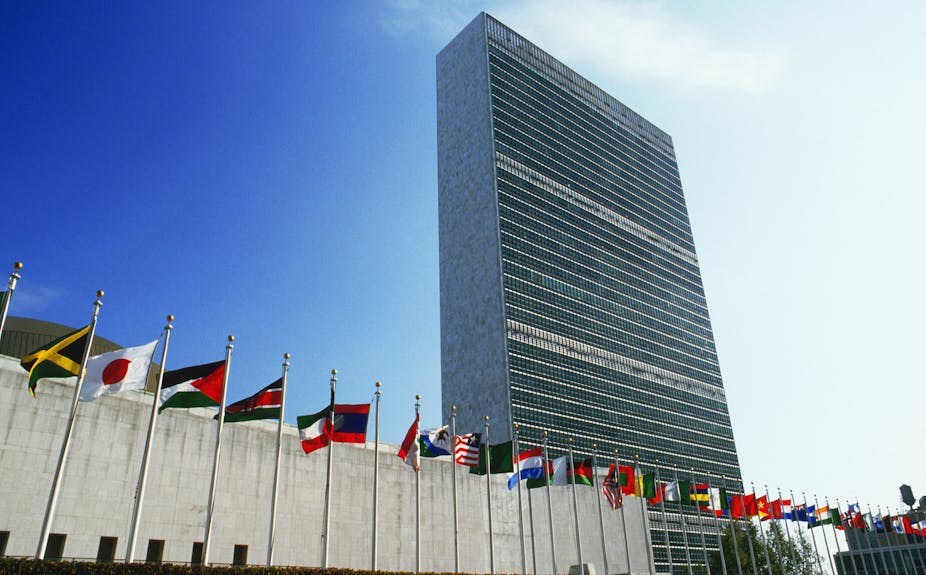
The United Nations’ International Telecommunication Union (ITU) has called for urgent global action to fight deepfakes and misinformation, citing growing threats of election interference and financial fraud. In a report released during its "AI for Good Summit" in Geneva, the ITU highlighted the dangers posed by AI-generated content, including realistic fake images, videos, and audio impersonations.
With generative AI rapidly evolving, the ITU warned that manipulated multimedia is becoming increasingly difficult to detect. Trust in social media has sharply declined as users struggle to distinguish real content from fakes, noted Bilel Jamoussi, Head of ITU’s Standardization Bureau. The ITU urged social media platforms and digital content distributors to implement digital verification tools to authenticate videos and images before they are published.
Adobe’s Leonard Rosenthol emphasized the importance of provenance—verifiable metadata showing when, where, and by whom content was created—as a critical trust layer for online media. “People need to know if they can trust what they’re seeing in their feeds,” he said.
Farzaneh Badiei, founder of governance research group Digital Medusa, warned that without unified global standards, patchwork solutions may leave users vulnerable. The ITU is now developing global standards for watermarking videos, which account for over 80% of internet traffic, to embed creator identity and timestamps.
Tomaz Levak, founder of Switzerland’s Umanitek, called on the private sector to step up, urging companies to educate users and adopt safeguards proactively. “AI will keep getting smarter. It’s vital we upskill the public to avoid becoming victims of these systems,” he said.
As deepfakes grow more convincing, experts agree that international collaboration and strong digital standards are essential to preserve online trust and safety.







