The United Nations General Assembly voted to postpone the decision again to determine whether the Afghanistan Taliban or the generals that comprise Myanmar’s junta can send an ambassador. The postponement would leave the current representatives of the two countries in place.
Friday last week, the UNGA voted to postpone once again a vote on a decision that would determine whether Afghanistan’s Taliban or the Myanmar junta can send their own representatives to the international body. The UNGA also postponed a vote on Libya’s seat. The 193-member UNGA postponed the decision by the nine-member UN Credentials Committee without a vote.
The postponement means the current representatives of Afghanistan, Libya, and Myanmar remain as their envoys. However, the UNCC – which includes the United States, China, and Russia as its members – said it can “revert to consideration of these credentials at a future time” during the 77th session of the UNGA that will end in September 2023.
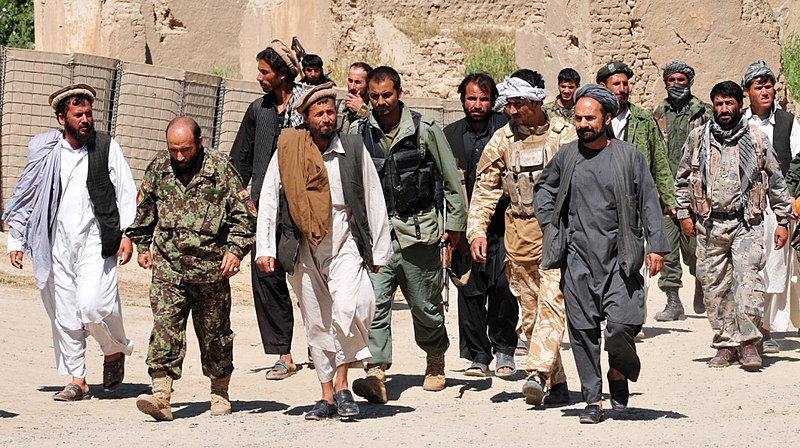
Approval of the UNGA of the Taliban and the junta would be a step forward toward being recognized internationally. Both have sought to be legitimized by the international community. Competing claims to the seats of both countries were made by the two groups and the governments they ousted in 2021.
The Taliban seized power from the Western-backed Afghan government during the US withdrawal from the country in August. The Myanmar junta seized power and ousted the civilian government in February of 2021.
The United Nations previously ousted Iran from its UN Commission on the Status of Women following the ongoing protests across the country as well as the Islamic Republic’s response to the demonstrations. The 54-member UN Economic and Social Council voted on the US-led resolution, with 29 countries voting in favor, eight countries voting against, and 16 countries abstaining from the vote. The ousting would take immediate effect until the end of Iran’s term in 2026.
The resolution said the Islamic Republic’s crackdown on the demonstrators “continuously undermine and increasingly suppress the human rights of women and girls, including the right to freedom of expression and opinion.”
The 45-member Commission on the Status of Women meets annually every March to promote gender equality and women empowerment.