


 NATO Commander Joins US Review of Troop Deployments in Europe
  ICE Agent Arrested in Minneapolis Over Venezuelan Man Shooting
  Houthis Seize Bab el-Mandeb as Military Power Grows
  North Korea Vows to Expand Nuclear Arsenal Amid U.S.-Led Military Buildup
  Trump Hopes Iran War Nears End as Yemen Fighting Escalates
  Brazil Warns EU of Retaliation Over Animal Products Ban
  FDA Weighs Safety Standards for Psychedelic Therapies
  SEC Seeks ISS Client Voting Records in Proxy Adviser Probe
  Judge Blocks Trump Rule Limiting Foreign Student Visas
  Venezuela Nears Deal to Move $4 Billion in Gold to New York Fed
  Mexico Pushes for US Trade Deal Before Midterms
  Yemen Fighting Threatens Red Sea Oil Routes
  US Bans Canadian Alcohol, Motorcycles as Trade War Escalates
  Japan, U.S. Discuss $19 Billion GlobalFoundries Chip Plant
  FAA Allows Boeing to Sell 35 More 777F Freighters Beyond 2028
  France Targets Shein, Temu With Fast-Fashion Fees
  Synthetic data could ease people’s concerns about privacy breaches. But who gets to create it?


 Add as a preferred source on Google
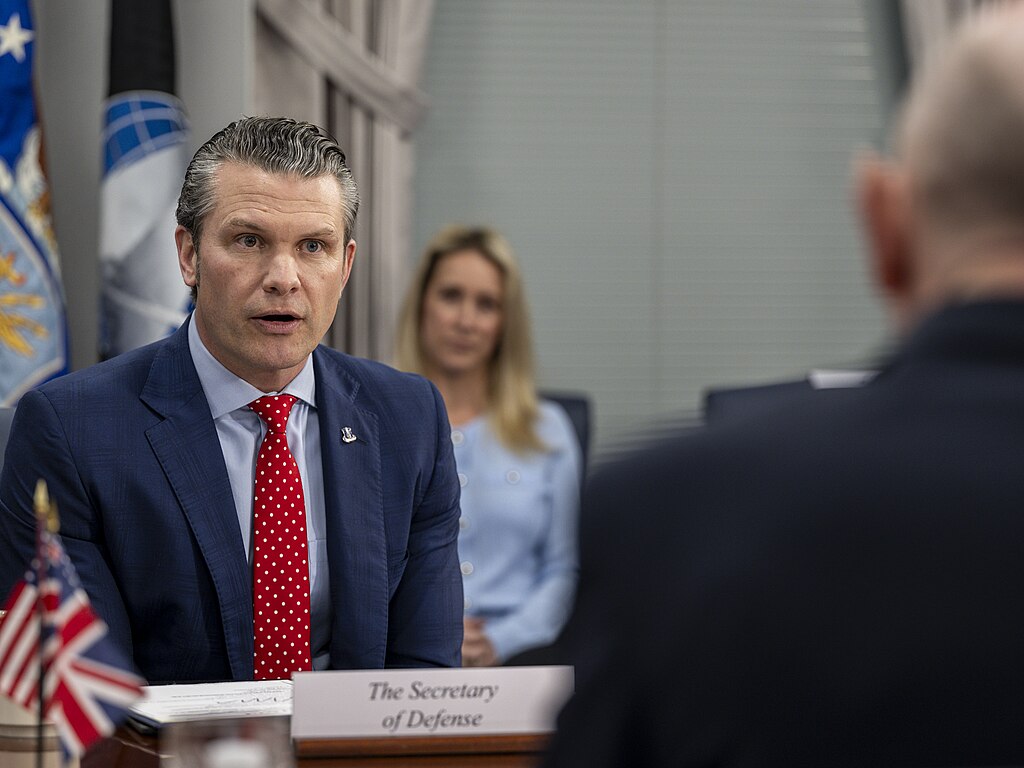
U.S. Defense Secretary Pete Hegseth announced Tuesday the cancellation of the Women, Peace, and Security (WPS) program, originally enacted by President Donald Trump in 2017 to promote women’s participation in global peace and conflict resolution efforts. Hegseth labeled the initiative as “woke” and a distraction from core military objectives, stating on X that it overburdens troops and commanders. He pledged to scale the program back to the minimum required by law and seek its full elimination in the next budget cycle.
The WPS Act was the first legislation of its kind globally, establishing the U.S. as the first country with a comprehensive legal framework supporting women's roles in national security. It received bipartisan backing, with current Secretary of State Marco Rubio and Homeland Security Secretary Kristi Noem co-sponsoring the bill during their time in Congress. Mike Waltz, now Trump’s national security advisor, also helped champion the law.
Despite the initiative’s origins under the first Trump administration, Hegseth claimed—without evidence—that the Biden administration had “distorted and weaponized” the WPS program. Since taking office, Hegseth has led a rollback of diversity, equity, and inclusion (DEI) efforts at the Pentagon, including ending cultural observances like Black History Month and removing select books from military academies.
The United Nations, which first adopted a resolution on women, peace, and security in 2000, reaffirmed its commitment to the cause. U.N. spokesperson Stephane Dujarric emphasized that women continue to be sidelined in peace processes, undermining global stability.
The move underscores growing partisan divides over the role of DEI and gender-focused policies in U.S. defense strategy.







