


 Australia Defends Social Media Algorithm Law Amid US Concerns
  Paris Talks Focus on Lebanon Army Needs as UNIFIL Exit Looms
  Trump Says US Army Base in Poland Talks Make Progress
  Najib Razak Granted House Arrest Until 2028
  Pentagon Restarts Testosterone Testing for US Troops
  Who should own the knowledge that underpins AI technology?
  U.S. Imposes New Visa Restrictions Over South Africa Policies
  France Targets Shein, Temu With Fast-Fashion Fees
  US Delegation Visits Myanmar, Secures Release of American Adam Castillo
  Australia Tightens Student Visa Rules, Targets Migration Cut by 2028
  France Urges Faster AI Push Despite Safety Risks
  North Korea Vows to Expand Nuclear Arsenal Amid U.S.-Led Military Buildup
  Iran Economic Crisis Forces Afghan Families to Return Home
  FCC Approves Foreign Investment in $110B Paramount-Warner Bros. Deal
  Yemen Fighting Threatens Red Sea Oil Routes
  Brazil Warns EU of Retaliation Over Animal Products Ban
  U.S. Issues Cuba Health Alert as Illnesses Rise


 Add as a preferred source on Google
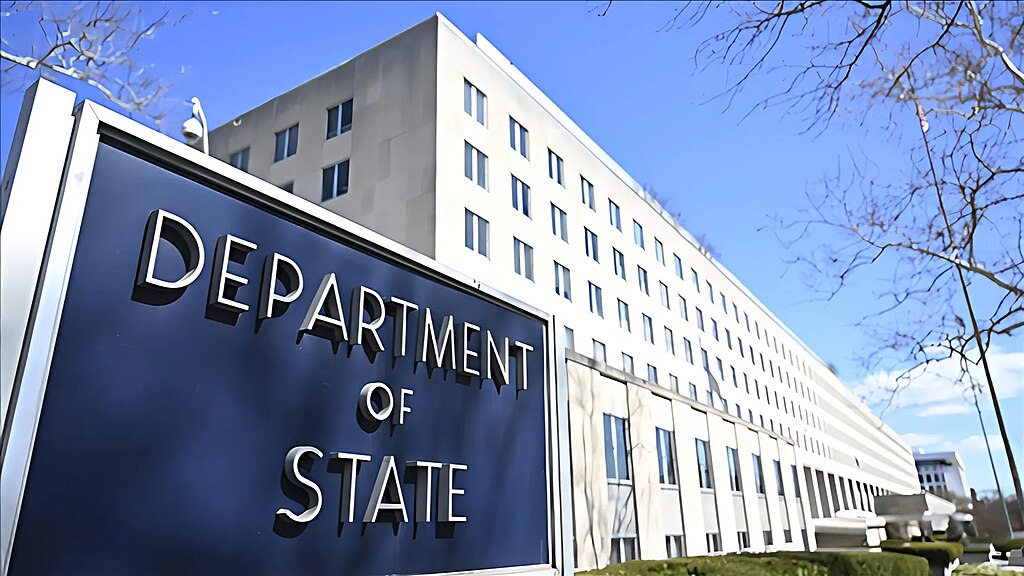
The United States has relaxed restrictions on exporting advanced military drones, including the MQ-9 “Reaper,” after Secretary of State Marco Rubio approved a reinterpretation of export control policies. The State Department confirmed that drones will now be classified like fighter jets such as the F-16, instead of missile systems, allowing the U.S. to bypass limitations from the 1987 Missile Technology Control Regime (MTCR).
This policy shift paves the way for sales to allies like the United Arab Emirates, Eastern European nations, and Pacific partners who have struggled to acquire U.S. drones under previous rules. Most notably, it unlocks a pending Saudi Arabian request for over 100 MQ-9 drones, part of a potential $142 billion arms package announced earlier this year. Several European and Asian allies are also expected to express interest in the upgraded export framework.
The change benefits leading American drone manufacturers such as General Atomics, Kratos, and Anduril, which can now market their unmanned aerial vehicles as “foreign military sales.” This streamlined process makes U.S. drones more competitive in a market dominated by Israeli, Chinese, and Turkish suppliers, who often face lighter restrictions.
The MTCR was originally designed to limit long-range missile proliferation. Military drones, which later emerged as powerful tools for surveillance and strike missions, were categorized under the same guidelines due to their ability to fly long distances and carry weapons. With growing global demand for combat drones, Washington’s updated policy gives American firms an edge in securing contracts with strategic partners while strengthening U.S. defense ties abroad.
By aligning drone exports with fighter jet sales, the U.S. positions itself to expand influence in global arms markets and counter the rapid rise of rival drone producers.







