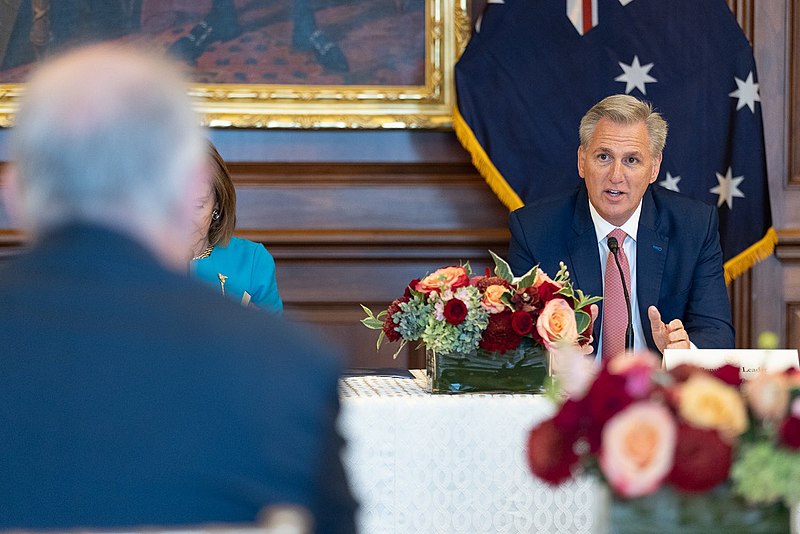
At the start of the new Republican-controlled House of Representatives, the chamber failed to elect a speaker for the first time in a century. The failure in the initial rounds of voting also comes as Republican leader Kevin McCarthy fell short of the number of votes needed to become House Speaker.
Republicans won a slim majority in the House following the November midterm elections, providing a path for McCarthy to become the House Speaker. However, McCarthy was met with opposition from far-right lawmakers who refused to vote for him and instead voted for others, such as Ohio Rep. Jim Jordan. McCarthy failed to unite his caucus in the three rounds of voting on Tuesday, and the House adjourned its first session.
The Speaker must receive 218 votes, not including absentee votes and those who vote “present.” During the first two rounds of voting, McCarthy received only 203 votes, with 19 Republicans voting against him. In the third round, McCarthy received 202 votes, with one more vote against him.
The Democratic lawmakers unanimously voted for Rep. Hakeem Jeffries in all three rounds, with Jeffries receiving 212 votes, more than McCarthy. However, as the Democratic Party is in the minority in the House, Jeffries is not considered to be in the running. Democrats have also ruled out helping McCarthy get the needed votes to become Speaker.
The House is deemed non-functional if no Speaker has been elected yet, and the chamber will continue voting until a Speaker is decided upon.
By Wednesday’s session, McCarthy still fell short of the 218 votes needed in the three rounds as the far-right opposition continued to vote against McCarthy. In two ballots, McCarthy only received 201 votes, with 20 Republicans voting for Rep. Byron Donalds instead and one voting “present.” The Democratic Party remained unanimously voting for Jeffries, who received 212 votes in both rounds.
On the same day, President Joe Biden urged the GOP to “get their act together” and elect a House Speaker.
“It’s not a good look, it’s not a good thing. It’s the United States of America and I hope they get their act together,” Biden told reporters, stressing that the current stalemate is a Republican issue.