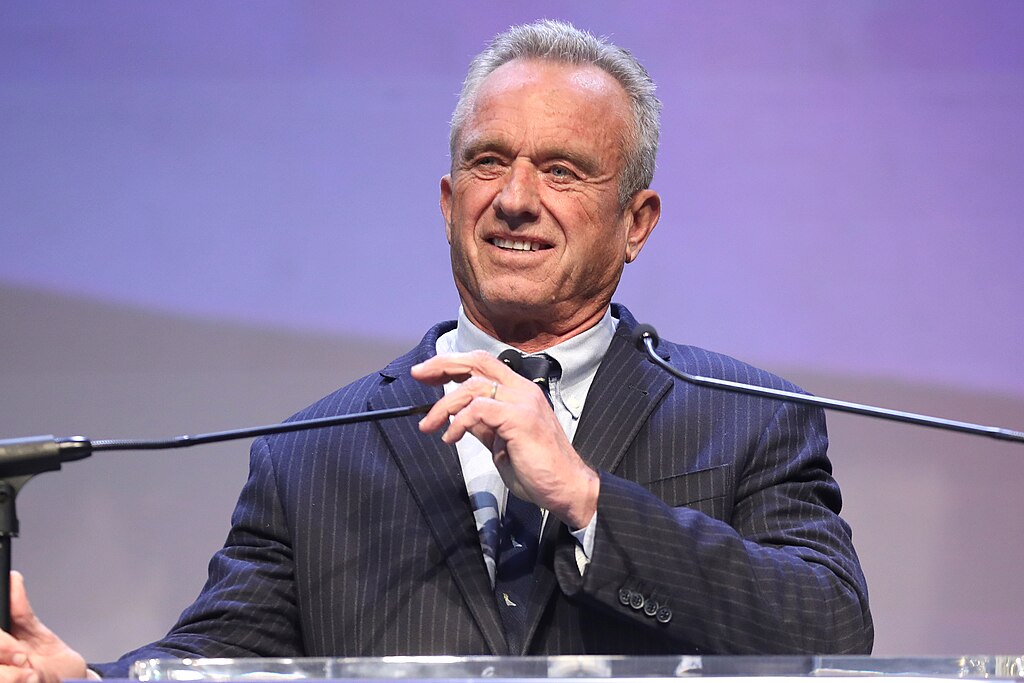
U.S. Health and Human Services Secretary Robert F. Kennedy Jr. announced plans for a nationwide advertising campaign encouraging Americans to adopt health wearables, such as heart rate and continuous glucose monitors. The initiative is part of the department’s broader “Making America Healthy Again” (MAHA) agenda.
Speaking before the House Energy and Commerce Committee’s Health Subcommittee, Kennedy emphasized the importance of personal health data. “My vision is that every American is wearing a wearable within four years,” he said. “It’s a way for people to take control of their health—seeing real-time impacts of food on glucose levels and heart rate.”
The announcement boosted shares of glucose-monitoring device makers. Dexcom (NASDAQ:DXCM) surged 10%, while Abbott gained 3.6% in afternoon trading.
Kennedy, a longtime advocate for preventive health and a critic of overreliance on pharmaceuticals, pointed to the cost-effectiveness of wearables compared to popular weight-loss drugs. “Ozempic costs $1,300 a month. If you can achieve similar results with an $80 wearable, that’s a better deal for Americans,” he noted. While he has criticized drugs like Novo Nordisk’s Ozempic, Kennedy supports their use for patients with morbid obesity or diabetes, when combined with exercise.
The campaign, which he described as one of the largest in HHS history, aims to shift the focus from reactive to proactive health management. Kennedy also hinted at exploring ways to subsidize wearables to make them more accessible.
J.P. Morgan analyst Robbie Marcus cautioned against assuming immediate changes in Medicare or insurance coverage for proactive monitoring, saying it’s too early to predict policy shifts.
The wearable tech market stands to benefit from this government push, as health monitoring tools become more mainstream in personal wellness strategies.