A bipartisan group of 37 U.S. lawmakers has urged senior Taiwanese political leaders to move forward with a stalled defence spending proposal, warning that the threat from China is intensifying. In a letter addressed to Taiwan’s Parliament Speaker Han Kuo-yu, leaders of the opposition Kuomintang (KMT) and Taiwan People’s Party (TPP), and the ruling Democratic Progressive Party (DPP) caucus whip, U.S. legislators stressed the urgency of strengthening Taiwan’s military capabilities.
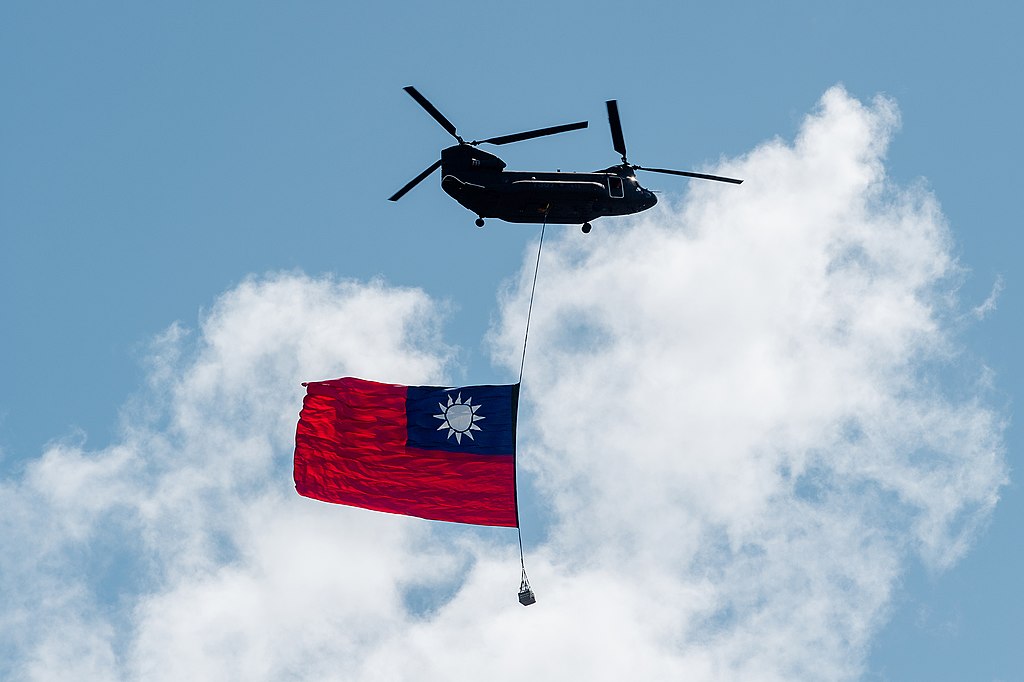
The letter highlights growing concerns in Washington over delays in approving President Lai Ching-te’s proposed $40 billion special defence budget. Lai introduced the plan last year to bolster Taiwan’s security and counter mounting military pressure from Beijing, which claims the island as its territory. However, opposition parties controlling Taiwan’s parliament have declined to review the full proposal, instead putting forward smaller-scale alternatives that fund only select U.S. weapons purchases.
According to the lawmakers, China’s posture toward Taiwan has become increasingly aggressive under President Xi Jinping, who they say is mobilizing all elements of national power to assert control over the island. While acknowledging progress in Taiwan’s military readiness, reserve forces, and asymmetric defence strategy, the letter warns that without substantial increases in defence spending, those efforts may fall short.
Signatories include Senators Pete Ricketts and Chris Coons of the Senate Foreign Relations Committee, along with Representatives Young Kim and Ami Bera of the House Foreign Affairs Committee. The lawmakers also noted the existing backlog in U.S. weapons deliveries to Taiwan but emphasized that Taipei must demonstrate equal commitment by approving adequate defence funding.
Taiwan’s defence minister has cautioned that prolonged delays could weaken the island’s strategic alignment with the United States. While the DPP welcomed the letter, opposition parties reiterated that they support national defence but will not approve what they describe as unchecked spending.
The United States remains Taiwan’s primary arms supplier and strongest international supporter. As China continues to refuse dialogue and maintains the option of force, defence spending and cross-strait security remain critical issues shaping Taiwan’s future.