The United States has officially removed the 40% tariffs on Brazilian food products— including beef, coffee, cocoa, and fruits—originally imposed in July as retaliation for Brazil’s prosecution of former president and Trump ally Jair Bolsonaro. The tariff rollback, announced Thursday by President Donald Trump, is part of a broader effort by the White House to reverse measures that have driven up food costs for American consumers.
According to the order released by the White House, the tariff removal applies to Brazilian goods entering the country on or after November 13. It may also trigger refunds for duties paid while the tariffs were previously in effect. The move follows a similar action last week that lifted tariffs on agricultural imports from other countries as the administration attempts to ease inflationary pressure on grocery prices.
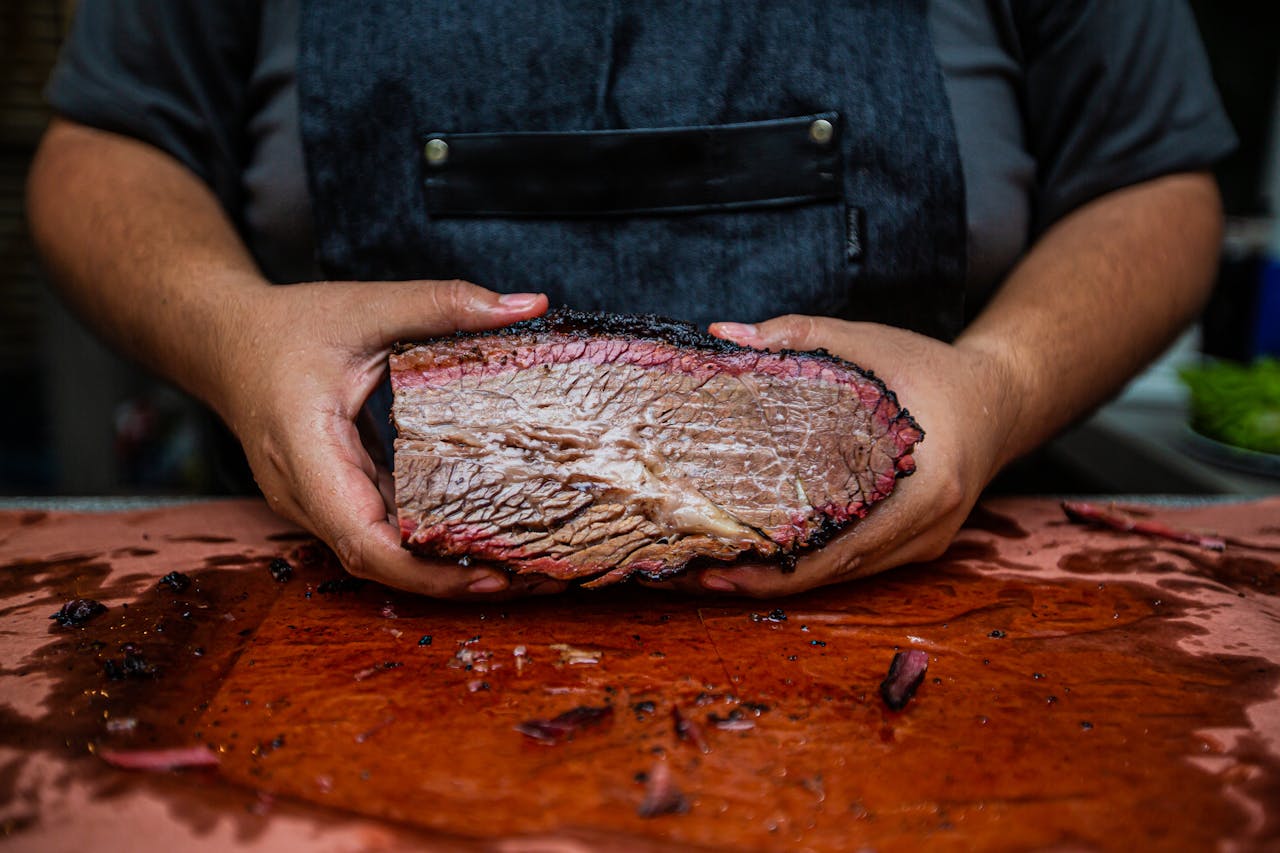
Brazil is a critical supplier to the U.S. market, providing about one-third of America’s coffee—essential in a nation that leads the world in coffee consumption. The country has also grown into a major exporter of beef used for hamburger production. Due to the tariffs and global supply issues, U.S. retail coffee prices soared by as much as 40% this year, putting additional strain on household budgets.
Analysts say the tariff reversal is expected to immediately unlock shipments. Judith Ganes of J. Ganes Consulting noted that thousands of bags of Brazilian coffee stored in bonded warehouses—where importers delay paying duties—will now be released to U.S. roasters. Many importers had held products in storage while anticipating a policy change.
Brazil’s beef industry group ABIEC praised the decision, calling it proof of effective trade negotiations and expressing plans to further expand market presence. While the order reverses tariffs, it does not reference U.S. sanctions previously imposed on Brazilian officials involved in Bolsonaro’s conviction related to a 2022 coup plot.
Brazilian President Luiz Inácio Lula da Silva welcomed the tariff removal, saying he was pleased to see the barriers lifted.