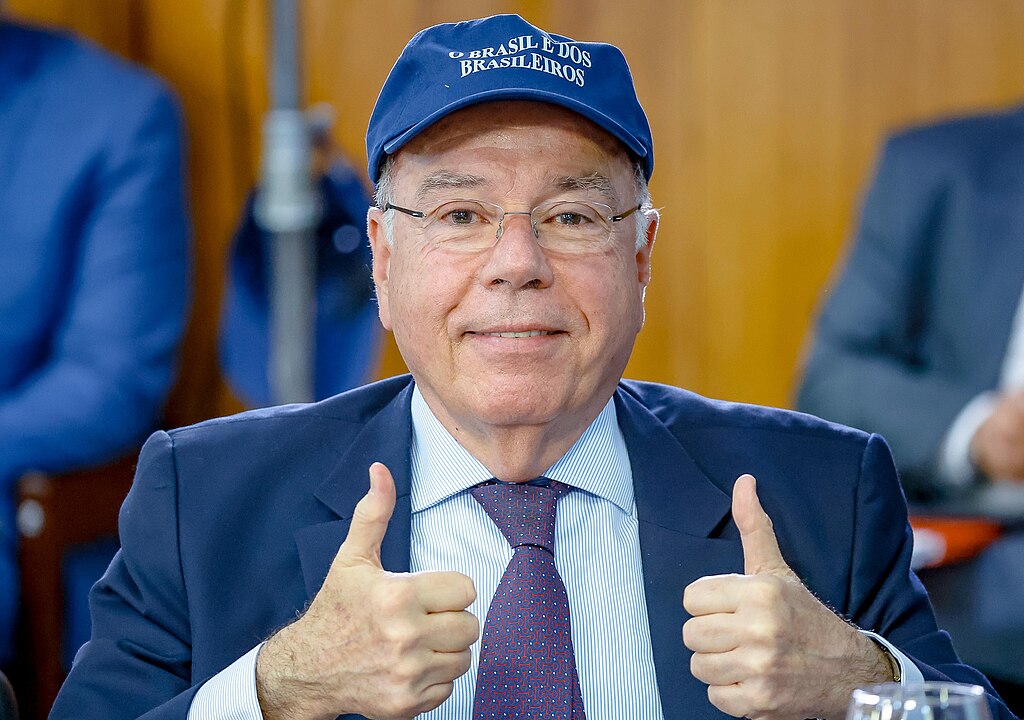
The United States is currently evaluating a negotiation proposal submitted by Brazil regarding recently increased tariffs, and a formal response is expected in the coming days, according to Brazilian Foreign Minister Mauro Vieira. Speaking to reporters in Washington, Vieira noted that U.S. Secretary of State Marco Rubio assured him that the matter is receiving serious attention and that Washington aims to resolve the issue swiftly. Rubio reportedly indicated that an official reply could come as early as tomorrow or sometime next week.
Although specific details of Brazil’s proposal have not been publicly disclosed, the negotiations stem from the U.S. decision in August to raise tariffs on Brazilian imports from 10% to 50%. The tariff hike has generated significant economic and political concern, making the outcome of these talks particularly important for trade relations between the two countries. Brazil is now seeking a resolution that could ease the impact on its exporters while also strengthening bilateral cooperation.
According to Vieira, the tone of the meeting with Rubio was constructive, emphasizing mutual interest in maintaining stable trade relations. Brazil views the dialogue as essential for restoring balance in a market that both nations rely on for agricultural, industrial, and commodity-related goods. As one of the United States’ key partners in Latin America, Brazil hopes that a timely and favorable response from Washington will help reduce uncertainty for businesses affected by the tariff changes.
The upcoming U.S. decision is expected to play a crucial role in shaping future trade dynamics. Market analysts are watching closely, noting that any tariff adjustment or negotiated compromise could influence pricing, export competitiveness, and broader economic ties. For now, both governments appear committed to keeping communication open and finding a path forward that supports long-term cooperation and trade stability.