Over the weekend, the United States and South Korea agreed to collaborate on advanced air mobility projects. The partnership comes amidst an ongoing race by companies to develop low-altitude air taxis.
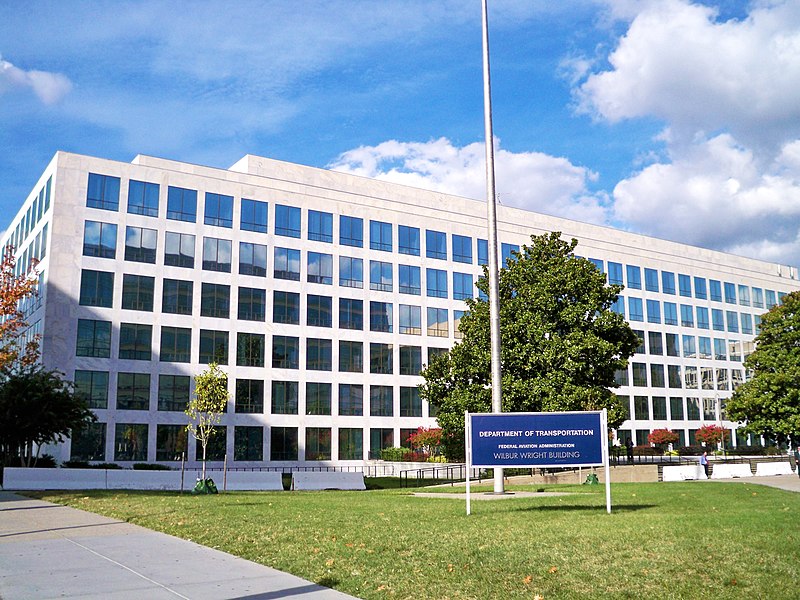
The United States Federal Aviation Administration announced on Saturday that it is partnering with the South Korean Office of Civil Aviation for future Advanced Air Mobility aircraft development and operations. Both countries signed a declaration to collaborate and share information on advanced air mobility projects and work together to promote the safety oversight of such projects, according to the FAA.
“Collaborating with our international partners on safely integrating these new technologies will create more efficient, sustainable, and equitable transportation options,” said FAA acting administrator Billy Nolen.
The FAA has previously announced similar partnerships with several other countries, such as New Zealand, Japan, the United Kingdom, Canada, and Australia, in the National Aviation Authorities Network for certification and integration plans on advanced air mobility projects. The latest partnership also comes as companies all over the world are looking to develop and eventually obtain regulatory approval for low-altitude air taxis, also known as electric vertical takeoff and landing aircraft.
Airlines and other firms are looking to develop transport services with battery-powered aircraft that can take off and land vertically to bring travelers to airports or on short trips in cities to beat traffic.
The US regulator last month issued airworthiness criteria that Archer Aviation would need to meet for its M001 air taxi to be certified for use. This follows a similar announcement by the FAA back in November for Joby’s Aviation’s JAS4-1.
On Tuesday last week, US and South Korean officials said both countries are having discussions on tabletop exercises and engaging in joint planning in order to counter the increasing nuclear threats from North Korea. The plans follow South Korean President Yoon Suk-yeol’s push for strengthened American extended deterrence.
White House Press Secretary Karine Jean-Pierre said both Yoon and President Joe Biden “tasked their teams to plan for an effective, a coordinated response to a range of scenarios, including nuclear use by North Korea, and so that is what the teams are working on.”