


 Yandex Data Center Hit by Drone Strike as Russia-Ukraine Cyber Infrastructure Attacks Escalate
  Panama Declares Emergency After 7.7 Earthquake Triggers 200 Aftershocks
  Flydubai Co-Pilot Planned Suicide Attack on Israel Airport, UAE Says
  Venezuela’s Machado Calls for Elections by July 2027
  Trump Secures Russian Diesel Deal as US Fuel Prices Surge
  Russian Strikes Kill Six in Ukraine, Including Three in Kharkiv
  Pakistan Declares Emergency in Khyber Pakhtunkhwa, Suspends Imran Khan’s PTI Government
  Houthis Warn Saudi Airports After Deadly Riyadh Attack
  Trump Buys Up to $25M in Meta Stock, Invests in SpaceX Debt
  Zelenskiy Criticizes US as Russian Strikes Kill 78 in Ukraine
  North Korea Fires Ballistic Missiles as Tensions With South Korea Escalate
  Zelenskiy Slams US-Russia Diesel Deal as Funding War
  RFK Jr. Launches Nationwide Vaccine Safety Review
  Zelenskiy Slams US Over Deadly Russian Strikes on Ukraine
  Flavio Bolsonaro Leads Lula 49%-45% in Brazil Runoff Poll
  Trump Calls for Zelenskyy Replacement Amid Russian Diesel Deal
  US, EU Push for Action Against Asia’s Excess Factory Capacity


 Add as a preferred source on Google
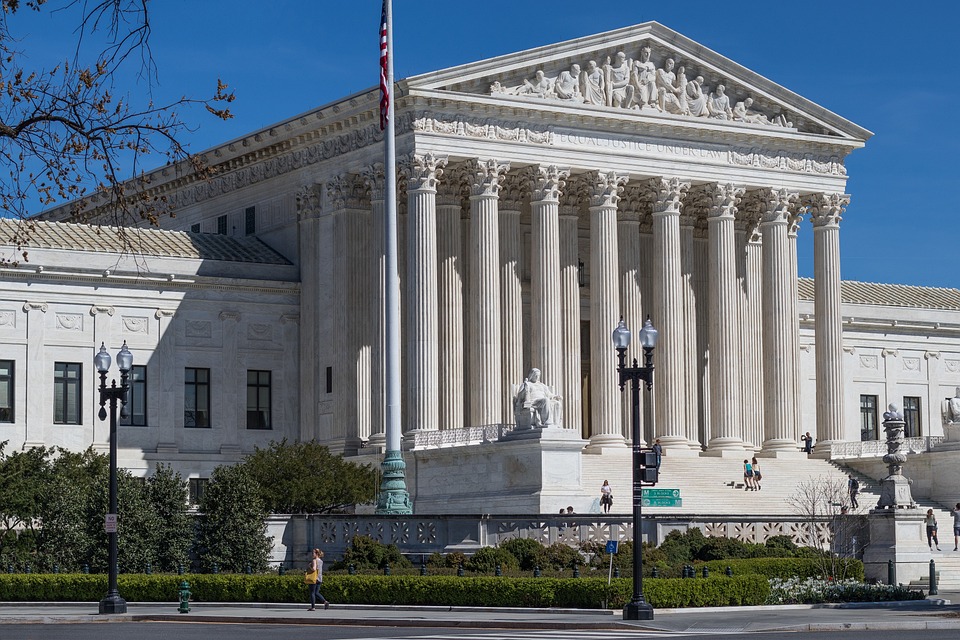
The United States Supreme Court rejected to hear Turkey’s bid to dismiss two lawsuits filed against them by protesters from the 2017 demonstrations in Washington. The protesters who filed the suit accused Turkish security forces of injuring them in the protests that year.
The high court declined to hear Turkey’s appeal to dismiss the two lawsuits Monday filed against them by protesters from the 2017 demonstrations in Washington. At the time, the protesters alleged that they were injured by Turkish security forces during the visit of Turkish President Tayyip Erdogan. The justices declined to hear the appeal by Ankara on the lower court rulings allowing the lawsuits to proceed, rejecting Turkey’s argument of having immunity over such legal action in the US under the Foreign Sovereign Immunities Act.
The issue at hand involved members of Erdogan’s security detail clashing with some protesters during the 2017 demonstrations. The incident has since strained relations between the United States and Turkey. Turkey has blamed the clash on the protesters linked to the Kurdistan Workers’ Party.
The Biden administration has urged the Supreme Court not to hear Turkey’s appeal to dismiss the lawsuits, citing that when foreign security personnel use force in a manner that is unrelated to protecting the officials from harm, they are acting outside their legal protections.
The lower courts have since ruled against Turkey when Ankara sought to appeal. The US Court of Appeals in the DC Circuit back in 2021 ruled that while members of the Turkish security detail were within their rights to protect Erdogan, their actions did not meet the exception.
On the same day, the Conservative-majority of the Supreme Court also signaled skepticism on the legality of race-conscious admissions policies in cases involving Harvard University and the University of North Carolina that may make affirmative action programs used to boost Black and Hispanic students vulnerable.
The Supreme Court heard five hours of arguments by the group founded by anti-affirmative action activist Edward Blum of the lower court rulings that upheld the policies used by the two universities to promote diversity. The rulings are due by the end of June, with the three Liberal justices backing the limited use of race in admissions.







