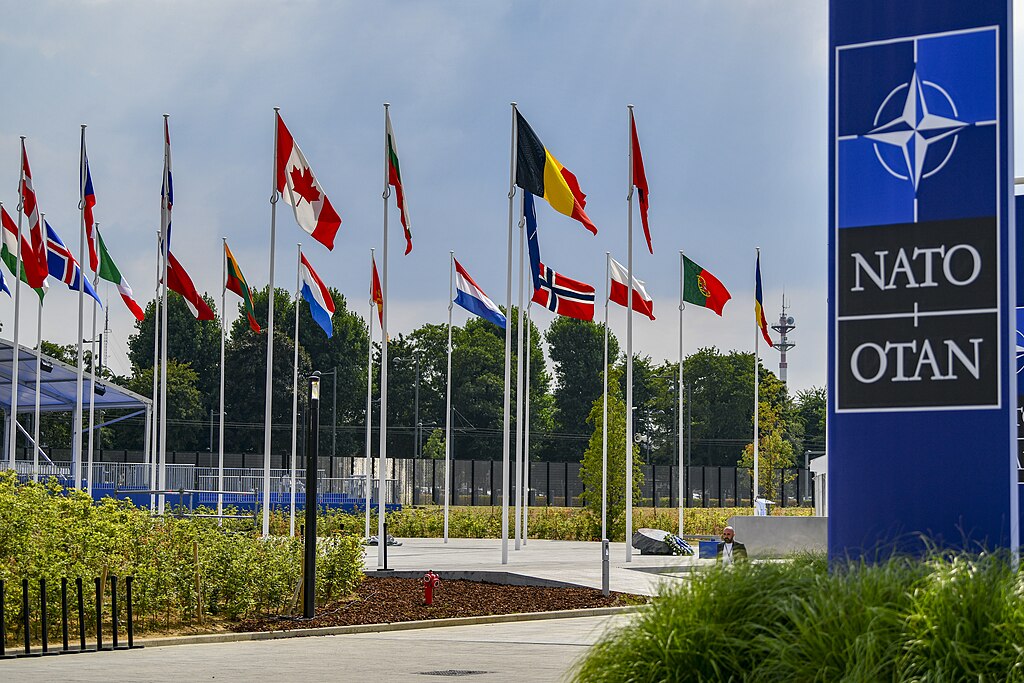
The quiet withdrawal of hundreds of U.S. troops from Estonia has intensified concerns among NATO allies about Washington’s long-term military commitment to Europe as tensions with Russia remain high.
Estonian Defence Minister Hanno Pevkur confirmed that U.S. personnel stationed in the Baltic nation have fallen to fewer than 100 from several hundred deployed last winter. While U.S. military leaders have indicated another rotation could arrive later this summer, the deployment remains under review, adding to uncertainty across Eastern Europe.
The troop reduction follows the Trump administration’s decision to cancel a planned rotation of about 5,000 U.S. troops to Poland, a move that also affected deployments in the Baltic states, including Lithuania. The shift comes despite NATO leaders highlighting increased European defense spending and new multinational security initiatives during the alliance’s recent summit in Ankara.
Although NATO officials praised stronger defense commitments, many of the newly announced projects—including a multinational missile program and a Canadian-led defense bank—will take years to become operational. Meanwhile, frontline allies such as Estonia, Poland and other Baltic states remain concerned about immediate security risks.
Security analysts warn that Russia could continue expanding its hybrid warfare campaign through cyberattacks, sabotage and other disruptive actions, even if a direct military confrontation remains unlikely. AI-based analysis from Omniforecaster estimated an 18% chance of a deadly clash between Russia and NATO members before the end of 2026, underscoring growing regional anxiety.
The strategic shift extends beyond Europe. The United States has also reduced personnel at several Middle East bases while repositioning military assets to locations viewed as less vulnerable, including Jordan, Israel, Turkey and mainland Europe. Defense officials say the broader strategy reflects Washington’s increasing focus on countering China while encouraging European allies to assume greater responsibility for regional defense.
The evolving U.S. posture has prompted both European and Indo-Pacific allies to strengthen defense cooperation and procurement efforts. However, uncertainty over future American troop deployments continues to fuel debate about NATO’s deterrence strategy and the alliance’s preparedness for emerging security challenges.