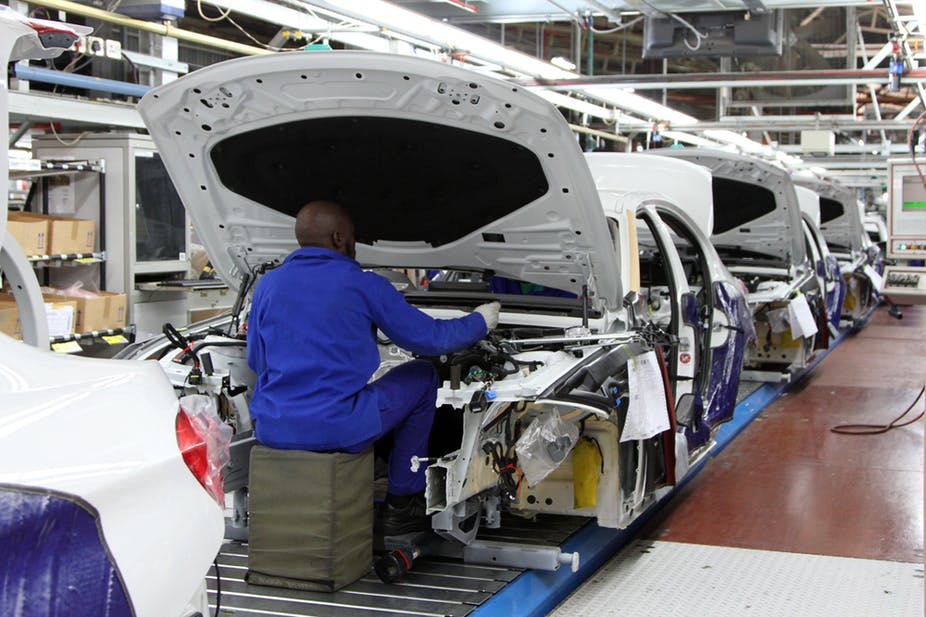
A new trade agreement between the United States and the United Kingdom took effect Monday, significantly reducing tariffs on British car exports and eliminating duties on aerospace components. The deal marks a major step forward in strengthening economic ties between the two allies amid broader global trade realignments.
Under the agreement, British automakers can now export up to 100,000 vehicles annually to the U.S. under a lowered tariff of 10%, down sharply from the previous 27.5%. Additionally, tariffs on aircraft engines and parts have been completely removed, providing a major boost for the UK’s aerospace industry.
The trade pact is expected to revitalize British exports in both the automotive and aerospace sectors, improving competitiveness in the U.S. market and offering cost savings for American buyers. Industry analysts say the changes could inject new momentum into transatlantic trade while enhancing supply chain resilience.
However, key issues remain unresolved. The temporary U.S. exemption on steep 50% tariffs for UK steel exports is set to expire on July 9. If a new agreement isn’t reached, British steelmakers could once again face punitive duties, threatening jobs and export volume in the sector.
While the automotive and aerospace sectors stand to gain significantly, the looming steel tariff deadline adds pressure for further negotiations. Trade officials from both countries are expected to continue discussions to address the remaining friction points and potentially reach a comprehensive resolution.
The latest agreement follows renewed efforts by both governments to reduce trade barriers and foster deeper economic cooperation. For UK manufacturers, especially in the automotive and aerospace industries, the tariff cuts offer a timely competitive edge amid global economic uncertainty.