


 Trump Announces Russia-Ukraine Energy Ceasefire as Zelenskiy Awaits Details
  India Voter List Protests Reach Supreme Court as Opposition Demands Election Chief's Resignation
  North Korea Fires Ballistic Missiles as Tensions With South Korea Escalate
  Kim Jong Un Showcases ICBM Ahead of Possible Trump Meeting
  Trump Warns Houthis Over Attacks, Considers Erdogan Intervention
  US Recalls Nicaragua Envoy After Ambassador Rejection
  Trump Denies Russia and China Are Helping Iran in U.S. Conflict
  Mahmoud Abbas Postpones Palestinian Elections to September 2027
  Elon Musk Donates $366 Million to 2026 US Midterms
  Most Americans Oppose Election Betting on Prediction Markets, Poll Finds
  European Auto Stocks Rise as EU-China Trade Deal Targets Hybrid Imports
  Panama Declares Emergency After 7.7 Earthquake Triggers 200 Aftershocks
  Trump Denies China, Russia Are Helping Iran in War
  Trump Sanctions International Criminal Court, Sparking EU Backlash
  Flavio Bolsonaro Backs Brazil’s 40-Hour Workweek Reform Ahead of Runoff
  NATO Commander Warns Russia of Devastating Response to Attack


 Add as a preferred source on Google
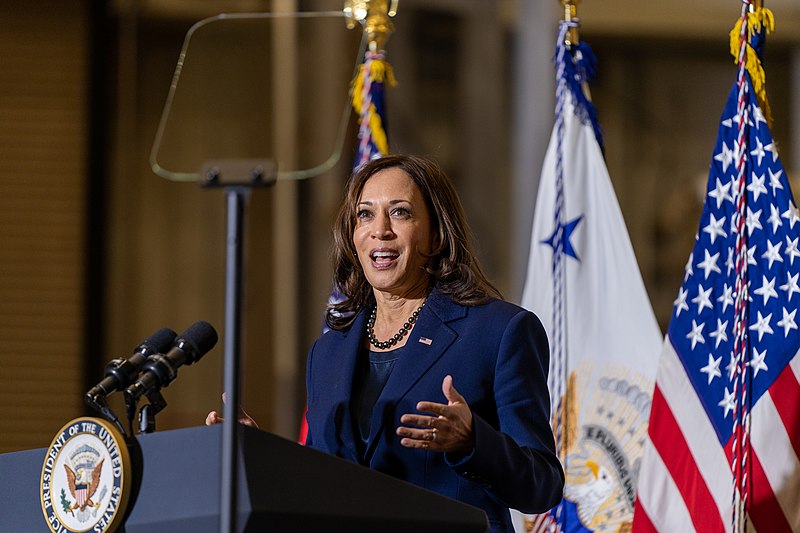
United States Vice President Kamala Harris has announced companies that would be investing in the country’s space industry. The announcement is part of an effort to broaden the industry’s workforce, creating job opportunities.
Friday last week, Harris, who chairs the National Space Council, announced a group of companies that would be involved in the country’s space industry in an effort to boost job opportunities in the field, especially for people from under-represented backgrounds. The coalition will be launched next month which includes three pilot programs.
The programs would be anchored by Boeing, Co., Lockheed Martin, and Northrop Grumman Corp. Other partners in the programs also include Amazon, Space X, and Virgin Orbit.
During an NSC meeting at NASA’s Johnson Space Center in Houston on the same day, Harris announced a coordinated international push for eliminating anti-satellite tests, following through on her pledge five months prior. Harris added that the resolution to eliminate anti-satellite tests would be introduced in the upcoming United Nations General Assembly this month.
“This April, I announced that our nation would not conduct destructive direct-ascent anti-satellite missile testing,” said Harris. “And later this month, the United States will introduce a resolution at the United Nations General Assembly to call on other nations to make the same commitment.”
Friday’s meeting was the second conference that Harris chaired. Assistant Secretary of State Monica Medina represented the State Department at the meeting and pledged that the agency would work to bring other countries on board the pledge during the UNGA which will take place from September 13 to 27 in New York.
The US government also said it would be tapping the National Transportation Safety Board to lead in probing future commercial space accidents in case people get injured or killed.
In an agreement between the NTSB and the Federal Aviation Administration, the NTSB will be the lead investigative body in fatal or injury accidents regardless of whether the person was aboard the commercial space launch or re-entry vehicle.
The NTSB will also lead if there is damage to property that is not related to the commercial space launch or re-entry activities or the launch site from debris that could be expected to cause death or severe injury.







