


 US DOT Ends Airline Privacy Review Without Enforcement
  Trump Plans Diesel Tax Relief as Fuel Prices Hit Record Highs
  Trump Offers US Help to Russia After Plague Lab Worker Dies
  Trump Envoy Meets Sudan Army Chief in Egypt
  Fairshake Backs 32 Pro-Crypto House Candidates
  Flavio Bolsonaro Surges as Family Scores Brazil Election Comeback
  US Army Tests Counter-Drone Technology Along Mexico Border
  France Student Protests Intensify Nationwide
  Russian Bombs Kill Six, Injure Nearly 60 in Kharkiv
  OPEC+ Keeps November Oil Output Targets Steady
  Yemen Launches Major Offensive to Retake Houthi-Held Areas
  New York Declares Measles Disaster Emergency as Cases Surge
  US Caribbean Vessel Strike Kills Four
  Ukraine to Intensify Strikes on Russian Oil Refineries
  ISIS Attack Near Kirkuk Kills Iraqi Policeman After US Withdrawal
  Flavio Bolsonaro, Lula Head to Brazil Election Runoff
  Ukraine Faces $56 Billion Budget Gap as War Costs Soar


 Add as a preferred source on Google
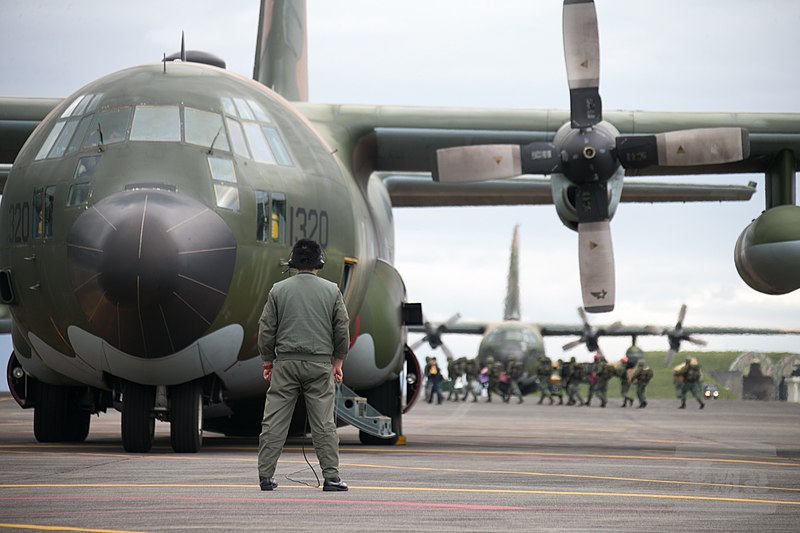
The United States State Department has approved a potential sale of $428 million worth of aircraft parts to Taiwan. The sale of aircraft parts is in assistance to Taiwan’s air force which has repeatedly been scrambling its jets to ward off Chinese warplanes that have been making incursions into its airspace.
The Pentagon issued two statements Tuesday on the approval of the sale by the State Department. The Pentagon said the parts would support Taiwan’s F-16 aircraft, Indigenous Defense Fighter jets, and all other aircraft, systems, and subsystems that are US in origin. The Taiwanese defense ministry said the sale is expected to “take effect” in a month, thanking Washington for the sale.
“The proposed sale will contribute to the sustainment of the recipient’s aerial fleet, enhancing its ability to meet current and future threats while providing defensive and transport capabilities critical to regional security,” said the Pentagon in the statements.
The Taiwanese defense ministry also said that China was trying to “normalize” its military activities close to the democratically-governed island, which it claims as its territory. The ministry said that Beijing was trying to increase its pressure campaign on the island’s ability to train and react, and the sale will mark big assistance to Taiwan.
“Taiwan will continue to firmly demonstrate its determination and ability to defend itself and to firmly defend its sovereignty and protect national security,” said the Taiwanese presidential office, noting that this was the seventh arms sale approved by the US under President Joe Biden’s administration and that the latest sale would help boost Taiwan’s combat capabilities.
China has demanded that the United States stop selling arms to Taiwan. The US, however, is legally bound to sell arms to the island and is Taiwan’s leading arms supplier, despite having no formal diplomatic ties. Taiwan also has strong bipartisan support in the US Congress.
The US Congress is also expected to start a vote on Wednesday on a military policy bill that could see an authorization of $10 billion in security assistance and a fast-tracked weapons procurement for the island nation.
The annual National Defense Authorization Act or NDAA this time does not include some proposals by lawmakers for Taiwan policy that are deemed controversial, such as sanctions in case of “significant aggression” by China against Taiwan or a proposal that would designate the island as a major non-NATO ally.







