


 Jordan Bardella Antisemitism Allegations Threaten Le Pen’s Campaign
  Trump Defends Russian Diesel Deal Amid US Sanctions Backlash
  Yandex Data Center Hit by Drone Strike as Russia-Ukraine Cyber Infrastructure Attacks Escalate
  Trump Announces Russia-Ukraine Energy Ceasefire Amid U.S. Pressure on Kyiv
  Trump Calls for Zelenskyy Replacement Amid Russian Diesel Deal
  Brazil Election: Lula and Bolsonaro Rally Ahead of October 25 Runoff
  Trump Plans White House Shake-Up of Key AI Safety Agency
  Trump Sanctions International Criminal Court, Sparking EU Backlash
  NATO Commander Warns Russia of Devastating Response to Attack
  Mahmoud Abbas Postpones Palestinian Elections to September 2027
  Houthis Warn Saudi Airports After Deadly Riyadh Attack
  European Auto Stocks Rise as EU-China Trade Deal Targets Hybrid Imports
  Greenland Lawmakers Back Trump Security Deal Despite Economic Concerns
  US Authorities Raid Ilhan Omar’s Home Amid Immigration Fraud Probe
  Elon Musk Donates $366 Million to 2026 US Midterms
  Russian Strikes Kill Six in Ukraine, Including Three in Kharkiv
  Trump Announces Russia-Ukraine Energy Ceasefire as Zelenskiy Awaits Details


 Add as a preferred source on Google
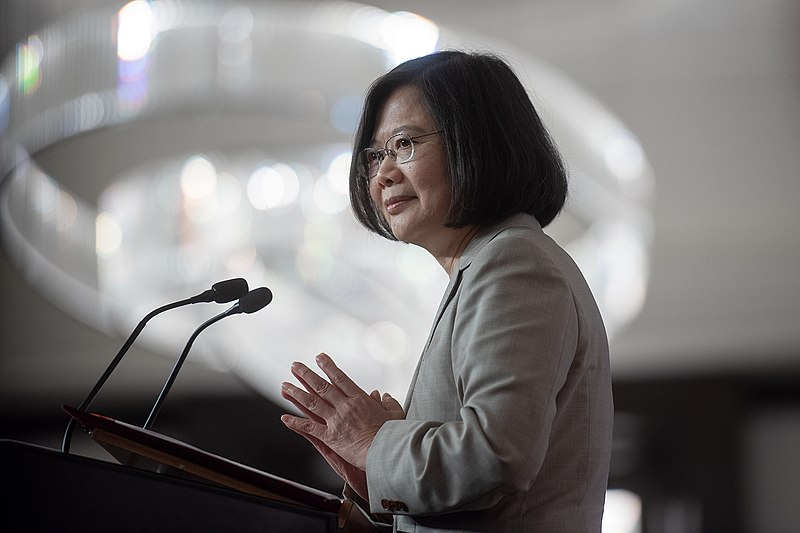
Taiwanese President Tsai Ing-wen said that the island nation hopes to secure a trade deal with the United Kingdom while deepening cooperation with the administration of British Prime Minister Rishi Sunak. Tsai’s comments were during a meeting with a British minister in Taipei amidst protests from China against visits by foreign officials to Taiwan.
Tsai met with British State and Trade Minister Greg Hands at the presidential office in Taipei this week, where she said she hopes a trade deal between Taiwan and the United Kingdom could be made. Tsai also thanked Hands for the UK’s continuous support for the island’s international participation as well as support for peace and stability in the Taiwan Strait.
“We attach great importance to the British proposal to promote an enhanced trade partnership between Taiwan and Britain,” said Tsai. “Our goal is to strengthen mutually beneficial economic and trade exchanges between Taiwan and Britain, and we hope Taiwan and Britain will work together to promote the signing of bilateral investment and trade agreements.”
Tsai added that Taiwan is willing to “make the best allocations” when it came to computer chips to help the world restructure the semiconductor supply chain and that the island is looking forward to working with its democratic allies, such as the UK to build a more resilient supply network in the world.
Tsai also said that she hopes the UK could “smoothly” join the Comprehensive and Progressive Agreement for the Trans-Pacific Partnership while, in turn, supporting Taiwan’s membership bid to the trade group.
While the UK has no formal diplomatic ties with Taiwan, it has maintained economic and informal relations. The UK also has a de facto embassy in Taipei.
Meanwhile, the Office of the United States Trade Representative said Wednesday that Washington and Taipei have wrapped up two days of trade talks. The office described the two-day discussions as “productive” and are part of the US-Taiwan initiative on 21st-century trade, a program that China has opposed. Both sides are set to have additional meetings moving forward.
This follows the introduction of the framework back in June, which came days after the Biden administration did not include Taiwan in its Asia-focused economic plan aimed at countering China’s growing influence in the continent.







